Portrét George Grey Barnard

47 nejslavnějších obrazů autora George Grey Barnard, výběr z galerie

Aktualizováno listopad 2026 · seřazeno podle našeho skóre popularity (vyhledávání, návštěvy a objednávky u každého díla) · 50 děl umělce George Grey Barnard v našem katalogu

Stručně řečeno

Z všech originálů, které George Grey Barnard zanechal, je nejslavnější The Mystery of Life (1897). Hned za ním následují Sherman and His Generals (1866) a Untitled (1846). Náš katalog obsahuje 50 děl umělce George Grey Barnard; galerie si zachovala 47 děl, která obdivuje celý svět, přičemž každé je znázorněno s datem vzniku, názevem muzea a jeho příběhem.

1863 – 1938, Bellefonte Contemporary realism Nejvíce děl: J. Paul Getty Museum

10 nejlepších obrazů umělce George Grey Barnard: výběr galerie

1
The Mystery of Life (1897) od George Grey Barnard

The Mystery of Life

1897 · Marble

The Mystery of Life is a marble relief created by the American sculptor George Grey Barnard. Modeled between 1895 and 1897, this work belongs to a specific series of allegorical images exploring the themes of Life and Death. It was originally conceived as a component of an urn intended to hold the ashes of Anton Seidl.

2
Sherman and His Generals (1866) od George Grey Barnard

Sherman and His Generals

1866 · Black and White Photography · J. Paul Getty Museum, Los Angeles

In the quiet, monochromatic depths of George N. Barnard’s Sherman and His Generals, we find more than a mere photographic record; we encounter a profound meditation on authority and the heavy mantle of leadership. Created in 1866, this striking work captures nine men—most notably General William Tecumseh Sherman and his senior commanders—arranged in a deliberate, semi-circular formation. There is an undeniable gravity to their presence, as they sit upon chairs…

3
Untitled (1846) od George Grey Barnard

Untitled

1846 · Photography

This work, titled Untitled, is a vintage daguerreotype photograph created by George Grey Barnard. Dating from about 1846, the piece offers a rare glimpse into a specific moment of mid-19th-century portraiture. It captures a family portrait of four children, presented with the formal arrangement characteristic of the era.

4
Ruins in Columbia, South Carolina from the album Photographic Views of Sherman's Campaign (1864) od George Grey Barnard

Ruins in Columbia, South Carolina from the album Photographic Views of Sherman's Campaign

1864 · Photography

This work is titled Ruins in Columbia, South Carolina from the album Photographic Views of Sherman's Campaign. It was captured by George N. Barnard in 1864. The image provides a direct record of the devastation within the city, specifically focusing on the remnants of a church. A prominent clock tower rises from the wreckage, marking the site of what was once a central structure.

5
Rebel Works in front of Atlanta, No. 2 from the album Photographic Views of Sherman's Campaign (1864) od George Grey Barnard

Rebel Works in front of Atlanta, No. 2 from the album Photographic Views of Sherman's Campaign

1864 · Photography

In this monochromatic albumen silver print from 1864, we find ourselves standing before a scene of quiet, heavy stillness. The image captures a moment of pause amidst the chaos of the American Civil War, specifically within the context of Sherman's Campaign. A solitary cannon, its metallic form rendered in subtle shades of gray, sits positioned within defensive fortifications. It is the central weight of the composition, anchored by the dark,…

6
Ringold, Georgia from the album Photographic Views of Sherman's Campaign (1864) od George Grey Barnard

Ringold, Georgia from the album Photographic Views of Sherman's Campaign

1864 · Black and White Photography

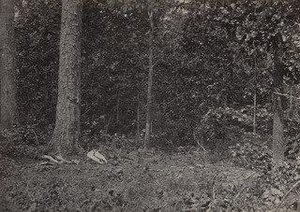
Ringold, Georgia from the album Photographic Views of Sherman's Campaign is a photographic work by George N. Barnard. Produced in 1864, the image captures a landscape where natural terrain meets human settlement. The scene presents a view of rolling hills and dense forest, punctuated by a small village and a prominent stone wall in the foreground.

7
Ruins in Charleston, South Carolina from the album Photographic Views of Sherman's Campaign(1866) (1864) od George Grey Barnard

Ruins in Charleston, South Carolina from the album Photographic Views of Sherman's Campaign(1866)

1864 · Black and White Photography

In "Ruins in Charleston, South Carolina from the album Photographic Views of Sherman's Campaign(1866)" by George Grey Barnard, the scene unfolds as a heavy, silent aftermath of conflict. The composition is dominated by the towering ruins of a large building, its broken architecture reaching upward like a fractured skeleton against the sky. These remnants of a church or cathedral loom over the landscape, their jagged edges and sharp, broken surfaces…

8
City of Atlanta, Georgia, No. 2 (1866) od George Grey Barnard

City of Atlanta, Georgia, No. 2

1866 · Acrylic On Canvas · J. Paul Getty Museum, Los Angeles

A Snapshot of Resilience: George Grey Barnard’s “City of Atlanta, Georgia No. 2” The photograph presented here—George Grey Barnard’s “City of Atlanta, Georgia No. 2,” created in 1866—is more than just a depiction of a street scene; it's a testament to endurance and an emblem of the American spirit emerging from the shadow of Reconstruction. Captured during Sherman’s devastating march through Georgia, this panoramic view offers a glimpse into the…

9
Le Lys Casse (The Broken Lily) (1910) od George Grey Barnard

Le Lys Casse (The Broken Lily)

1910 · Graphite Pencil

Le Lys Casse (The Broken Lily) is a pencil drawing by the American sculptor George Grey Barnard. Created about 1910, the work reflects the artist's engagement with the human form through a medium distinct from his primary sculptural practice.

10
Solitude, or Adam and Eve (1906) od George Grey Barnard

Solitude, or Adam and Eve

1906 · Marble · Taft Museum of Art, Cincinnati

In the quiet stillness of George Grey Barnard’s Solitude, or Adam and Eve, one finds much more than a mere depiction of biblical figures; one encounters a profound meditation on the very essence of human intimacy. Created in 1906, this exquisite marble masterpiece captures a moment of tender vulnerability, where the boundaries between two souls seem to dissolve into the stone itself. The sculpture portrays Adam and Eve locked in…

Výběr umělce George Grey Barnard pokračuje, od 11 do 47

11Scene of General McPherson's Death from the album Photographic Views of Sherman's Campaign (1864) od George Grey BarnardScene of General McPherson's Death from the album Photographic Views of Sherman's Campaign1864 12Fountain and Park, Savannah from the album Photographic Views of Sherman's Campaign (1864) od George Grey BarnardFountain and Park, Savannah from the album Photographic Views of Sherman's Campaign1864 13The Crest of Mission Ridge from the album Photographic Views of Sherman's Campaign (1864) od George Grey BarnardThe Crest of Mission Ridge from the album Photographic Views of Sherman's Campaign1864 14The Hell Hole, Battlefield of New Hope Church from the album Photographic Views of Sherman's Campaign (1864) od George Grey BarnardThe Hell Hole, Battlefield of New Hope Church from the album Photographic Views of Sherman's Campaign1864 15The Potter House, Atlanta from the album Photographic Views of Sherman's Campaign (1864) od George Grey BarnardThe Potter House, Atlanta from the album Photographic Views of Sherman's Campaign1864 16The Battle Ground of Resaca, No. 1 from the album Photographic Views of Sherman's Campaign (1864) od George Grey BarnardThe Battle Ground of Resaca, No. 1 from the album Photographic Views of Sherman's Campaign1864 17Interior View of Fort Sumter from the album Photographic Views of Sherman's Campaign (1864) od George Grey BarnardInterior View of Fort Sumter from the album Photographic Views of Sherman's Campaign1864 18Savannah River, near the City from the album Photographic Views of Sherman's Campaign (1864) od George Grey BarnardSavannah River, near the City from the album Photographic Views of Sherman's Campaign1864 19Orchard Knob, from Mission Ridge from the album Photographic Views of Sherman's Campaign (1864) od George Grey BarnardOrchard Knob, from Mission Ridge from the album Photographic Views of Sherman's Campaign1864 20Pass in the Racoon Range, No. 1 from the album Photographic Views of Sherman's Campaign (1864) od George Grey BarnardPass in the Racoon Range, No. 1 from the album Photographic Views of Sherman's Campaign1864 21Sherman's Hair Pins (1864) od George Grey BarnardSherman's Hair Pins1864 22The Battle Ground of Resaca, No.2 from the album Photographic Views of Sherman's Campaign (1864) od George Grey BarnardThe Battle Ground of Resaca, No.2 from the album Photographic Views of Sherman's Campaign1864 23Ruins of the Pinckney Mansion, Charleston from the album Photographic Views of Sherman's Campaign (1864) od George Grey BarnardRuins of the Pinckney Mansion, Charleston from the album Photographic Views of Sherman's Campaign1864 24The Battle Ground of Resaca, No. 3 from the album Photographic Views of Sherman's Campaign (1864) od George Grey BarnardThe Battle Ground of Resaca, No. 3 from the album Photographic Views of Sherman's Campaign1864 25The New Capitol, Columbia, South Carolina from the album Photographic Views of Sherman's Campaign (1864) od George Grey BarnardThe New Capitol, Columbia, South Carolina from the album Photographic Views of Sherman's Campaign1864 26Atlanta, from the Works, No. 3 from the album Photographic Views of Sherman's Campaign (1864) od George Grey BarnardAtlanta, from the Works, No. 3 from the album Photographic Views of Sherman's Campaign1864 27Pass in the Raccoon Range, No. 2 from the album Photographic Views of Sherman's Campaign (1864) od George Grey BarnardPass in the Raccoon Range, No. 2 from the album Photographic Views of Sherman's Campaign1864 28Exterior View of Fort Sumter from the album Photographic Views of Sherman's Campaign (1864) od George Grey BarnardExterior View of Fort Sumter from the album Photographic Views of Sherman's Campaign1864 29Trestle Bridge, at Whiteside from the album Photographic Views of Sherman's Campaign (1864) od George Grey BarnardTrestle Bridge, at Whiteside from the album Photographic Views of Sherman's Campaign1864 30Rebel Works in front of Atlanta, No. 1 from the album Photographic Views of Sherman's Campaign (1864) od George Grey BarnardRebel Works in front of Atlanta, No. 1 from the album Photographic Views of Sherman's Campaign1864 31Battlefield of New Hope Church, Georgia, No. 1 from the album Photographic Views of Sherman's Campaign (1864) od George Grey BarnardBattlefield of New Hope Church, Georgia, No. 1 from the album Photographic Views of Sherman's Campaign1864 32Buen Ventura, Savannah from the album Photographic Views of Sherman's Campaign (1864) od George Grey BarnardBuen Ventura, Savannah from the album Photographic Views of Sherman's Campaign1864 33Battlefield of the New Hope Church, Georgia, No. 2 from the album Photographic Views of Sherman's Campaign (1864) od George Grey BarnardBattlefield of the New Hope Church, Georgia, No. 2 from the album Photographic Views of Sherman's Campaign1864 34Lu La Lake, Lookout Mountain from the album Photographic Views of Sherman's Campaign (1864) od George Grey BarnardLu La Lake, Lookout Mountain from the album Photographic Views of Sherman's Campaign1864 35Chattanooga Valley, from Lookout Mountain from the album Photographic Views of Sherman's Campaign (1864) od George Grey BarnardChattanooga Valley, from Lookout Mountain from the album Photographic Views of Sherman's Campaign1864 36Battlefield of Atlanta, 22nd July, 1864, No. 1 from the album Photographic Views of Sherman's Campaign (1864) od George Grey BarnardBattlefield of Atlanta, 22nd July, 1864, No. 1 from the album Photographic Views of Sherman's Campaign1864 37Ruins of the R.R. Depot, Charleston from the album Photographic Views of Sherman's Campaign(1866) (1864) od George Grey BarnardRuins of the R.R. Depot, Charleston from the album Photographic Views of Sherman's Campaign(1866)1864 38Untitled (Chicago after the Chicago Fire) (1871) od George Grey BarnardUntitled (Chicago after the Chicago Fire)1871 39(Untitled) (Mansfield 1907) (1907) od George Grey Barnard(Untitled) (Mansfield 1907)1907 40(Untitled Head, Two Women, studies) (1920) od George Grey Barnard(Untitled Head, Two Women, studies)1920 41(Untitled Striding Figure) (1925) od George Grey Barnard(Untitled Striding Figure)1925 42(Untitled Woman and Serpent) (1925) od George Grey Barnard(Untitled Woman and Serpent)1925 43My Mother As I Visioned When a Boy (1935) od George Grey BarnardMy Mother As I Visioned When a Boy1935 44(Untitled Head) (1925) od George Grey Barnard(Untitled Head)1925 45Therefore (1924) od George Grey BarnardTherefore1924 46The Dance (1910) od George Grey BarnardThe Dance1910 · Smithsonian American Art Museum 47The Leap of the Soul (1921) od George Grey BarnardThe Leap of the Soul1921

Slavná díla George Grey Barnard podle jednotlivých období

Motivy, které zaujaly George Grey Barnard

Čtyři témata, která se v těchto originálech nejčastěji objevují, z nichž každé má svůj nejlepší příklad.

Muzea, v nichž jsou vystavena originálna umělce George Grey Barnard

3 muzea, v nichž je umístěno nejvíce obrazů z této stránky.

Muzeum Město Díla autora George Grey Barnard Obrazy z tohoto seznamu
J. Paul Getty Museum, Los AngelesJ. Paul Getty Museum Los Angeles 2 Sherman and His Generals, City of Atlanta, Georgia, No. 2
Taft Museum of Art, CincinnatiTaft Museum of Art Cincinnati 1 Solitude, or Adam and Eve
Smithsonian American Art Museum, Washington, D.C.Smithsonian American Art Museum Washington, D.C. 1 The Dance

George Grey Barnard dekáda po dekádě: originální díla, která definují každou z nich

Díla podle dekád

Vyberte si dekádu a prohlédněte si originál, který ji definuje.

Otázky sběratelů o obrazech umělce George Grey Barnard

Kterým dílem je George Grey Barnard nejznámější?Odhalit odpověď

The Mystery of Life (1897). Následují Sherman and His Generals (1866) a Untitled (1846).

Kolik let bylo George Grey Barnard, když bylo vytvořeno dílo The Mystery of Life?Odhalit odpověď

34 let: dílo The Mystery of Life pochází z roku 1897 a George Grey Barnard se narodil/a v roce 1863.

Kterých deset nejslavnějších obrazů má George Grey Barnard?Odhalit odpověď

The Mystery of Life, Sherman and His Generals, Untitled, Ruins in Columbia, South Carolina from the album Photographic Views of Sherman's Campaign, Rebel Works in front of Atlanta, No. 2 from the album Photographic Views of Sherman's Campaign, Ringold, Georgia from the album Photographic Views of Sherman's Campaign, Ruins in Charleston, South Carolina from the album Photographic Views of Sherman's Campaign(1866), City of Atlanta, Georgia, No. 2, Le Lys Casse (The Broken Lily) a Solitude, or Adam and Eve. Hodnocení výše uvádí rok a muzeum pro každé z nich.

Kolik obrazů zanechal(a) George Grey Barnard?Odhalit odpověď

Náš katalog obsahuje 50 děl umělce George Grey Barnard z let 1871 až 1935.

Ve kterých muzeích jsou vystavena díla mistrovská umělce George Grey Barnard?Odhalit odpověď

Většinou v J. Paul Getty Museum (Los Angeles), Taft Museum of Art (Cincinnati) a Smithsonian American Art Museum (Washington, D.C.). V tabulce muzeí výše jsou vypsány všechny.

V jakých letech namaloval George Grey Barnard svá nejznámější díla?Odhalit odpověď

V období 1920s: 6 z celkem 47 děl na této stránce vzniklo právě tehdy, z toho (Untitled Head, Two Women, studies) z nich.

Jaká jsou první a poslední slavná originální díla umělce George Grey Barnard?Odhalit odpověď

Na této stránce je nejstarší dílo z Untitled (Chicago after the Chicago Fire) (1871) a nejnovější z My Mother As I Visioned When a Boy (1935).

Jaká témata si George Grey Barnard vybíral nejčastěji?Odhalit odpověď

Civil war (4), American history (4) a Woman (3) napříč 47 díly na této stránce.

Kterou techniku používal(a) George Grey Barnard nejčastěji?Odhalit odpověď

Black and White Photography, u 3 z 47 děl na této stránce.

K kterému uměleckému směru patří George Grey Barnard?Odhalit odpověď

Contemporary realism a Documentary photography, podle originálů na této stránce.

Která díla umělce George Grey Barnard jsou vystavena v J. Paul Getty Museum?Odhalit odpověď

Sherman and His Generals a City of Atlanta, Georgia, No. 2: muzeum J. Paul Getty Museum, Los Angeles má v obsluze 2 děl z této stránky.

George Grey Barnard: život a dílo

George Grey Barnard: Titan of American Sculpture

George Grey Barnard, narozený v Bellefonte, Pensylvánii, v roce 1863, byl americký sochař, jehož umělecká kariéra se rozvíjela proti pozadí měnících se uměleckých proudů a rostoucí národní identity. Jeho životní příběh je vyprávěn o neústupném úsilí – cestou z venkovských krajin rodného mládí až do zasvěcených sálů pařížských akademií, a nakonec k etablovaní se jako klíčová postava americké sochařství. Jeho otec, právní rádce, často přesídloval rodinu, což přispělo k Barnardově stčnosti a schopnosti adaptace. Už v raném věku projevoval talent pro modelování a formy – základy, na kterých budoval pozoruhodnou kariéru. Jeho počátky byly pevně zakotveny v Art Institute of Chicago pod vedením Leonarda Volka, kde prokázal vrozený talent pro modelování a tvarování – základ, který následně rozvíjel do mistrovského díla. Tento počáteční zápal ho pohnal do Paříže v roce 1883, kde se ponořil do náročné výuky École Nationale Supérieure des Beaux-Arts, pracoval pod vedením Pierre-Jules Caveliera. Dvanáct let strávených absorbováním klasických technik a zapojováním se do pulzujícího uměleckého prostředí Francie přineslo transformační zkušenost, která culminovala v triumfální debutu na salonu roku 1894.

The Echoes of Rodin and the Birth of a Symbolic Language

Barnardova umělecká tvorba byla hluboce ovlivněna Auguste Rodinem, jehož vliv je zřetelně patrný ve raných experimentech s lidskou formou a emocionální hloubkou. Nicméně Barnard nebyl pouhým kopií; rychle si osvojil vlastní jedinečný směr, vyvinul symbolický jazyk, který se zabýval složitostmi lidské existence. Jeho hlavní díla jsou charakteristická alegorickou povahou, zkoumající duality, vnitřní boj a inherentní rozpory uvnitř nás všech. Struggle of the Two Natures in Man (1894), vystavené v Metropolitan Museum of Art, představuje klíčový příklad – silnou reprezentaci protichůdných sil uvězněných ve věčném konfliktu. Toto dílo, spolu s dalšími sochy jako The Hewer (1902) a Rose Maiden (c. 1902), demonstruje jeho mistrovství v zachycení jak fyzické síly, tak jemné gráce. Great God Pan (1899), původně kritizováno kvůli znázornění nahoty, nakonec našel své místo na Columbia University, což dále upevňovalo Barnardovu pověst umělce, který nebál zpochybňovat konvence. Maidenhood(1896) je známá svou jednoduchostí a elegancí.

Monumental Commissions and the Pennsylvania State Capitol

Začátek 20. století přinesl monumentální zakázky, které definovaly významnou kapitolu v Barnardově kariéře: vytvoření více než šedesáti soch pro Pennsylvania State Capitol v Harrisburg mezi lety 1902 a 1910. Tato ambiciózní projekce, představující scény z lidské historie, vyžadovala obrovskou dovednost a oddanost, přestože představovala značné finanční výzvy. Přestože se objevily překážky, Barnard je překonal, nechávaje po sobě nezapomenutelný odkaz v budově Kapitolu díky složitým a sugestivním figurám. Jeho schopnost převádět rozsáhlé historické příběhy do hmotných forem upevňovala jeho pozici mezi nejlepšími americkými sochaři. Později, v roce 1917, přijal další ambiciózní zakázku – sochu Abrahama Lincolna. Tato reprezentace vyvolala debatu kvůli jejímu nekonvenčnímu přístupu, který se odlišoval od tradičních hrdinských obrazů; přesto zůstává silným symbolem prezidentova charakteru a byla vykována v několika lokalitách včetně Cincinnati, Manchester (Anglie) a Louisville (Kentucky).

A Collector’s Passion: The Cloisters and a Lasting Legacy

Kromě své činnosti sochaře měl George Grey Barnard hlubokou vášeň pro středověké umění. Stal se nadšeným sběratelem architektonických zbytků, cestoval francouzskými vesnicemi ještě před první světovou válkou za účelem získání těchto reliktů minulosti. Tato sbírka nebyla pouhým osobním projevem zájmu; byla poháněna touhou po zachování a sdílení krásy tohoto často opomíjeného uměleckého dědictví. V roce 1925 byl jeho rozsáhlý majetek zakoupen Johnem D. Rockefellerem Jr., čímž se stala jádra, která by později tvořila The Cloisters v New Yorku – pobočku Metropolitan Museum of Art věnovaného středověkému umění a architektuře. Tento čin je svědectvím Barnardovy vize a trvalého dopadu na kulturní zachování. Přínos George Grey Barnarda americkému sochařství je významný – propojuje evropské tradice s jedinečným americkým estetickým smyslem. Zpochybňoval umělecké normy, přijímal symboliku a zanechal za sebou dílo, které inspiruje a provokuje myšlenky i nadále. Jeho dědictví se rozšiřuje za hranice soch – žije v klidných halách The Cloisters, kde jsou fragmenty minulosti oživovány pro budoucí generace.