

1


Aktualizováno listopad 2026 · seřazeno podle našeho skóre popularity (vyhledávání, návštěvy a objednávky u každého díla) · 3 děl umělce François Anne David v našem katalogu
Stručně řečeno
Z pohledu galerie je nejslavnějším dílem François Anne David obrazem Napoleon at the battle of Marengo (1806), jehož originál je vystaven v British Museum v obci Londýn. Napoleon at the battle of Austerlitz (1806) a Allegory of Napoleon's Coronation (1806) doplňují trio, které každé oko okamžitě pozná. Z 3 děl umělce François Anne David v našem katalogu představuje galerie níže 3 nejznámějších děl, z nichž každé je originálem s uvedením roku vzniku, muzea a toho, co jej činí jedinečným.
Muzeum s největším počtem obrazů na této stránce.
| Muzeum | Město | Díla autora François Anne David | Obrazy z tohoto seznamu |
|---|---|---|---|
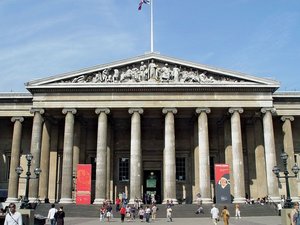 British Museum |
Londýn | 3 | Napoleon at the battle of Marengo, Napoleon at the battle of Austerlitz, Allegory of Napoleon's Coronation |
Každý originál s datem vzniku od François Anne David na této stránce byl vytvořen v roce 1806: zde jsou, nejprve ty nejslavnější.
Vyberte rok a prohlédněte si originály.
Napoleon at the battle of Marengo (1806), British Museum, Londýn. Následují Napoleon at the battle of Austerlitz (1806) a Allegory of Napoleon's Coronation (1806).
65 let: dílo Napoleon at the battle of Marengo pochází z roku 1806 a François Anne David se narodil/a v roce 1741.
Náš katalog obsahuje 3 děl od François Anne David.
Většinou v British Museum (Londýn). V tabulce muzeí výše jsou vypsány všechny.
V období 1806: 3 z celkem 3 děl na této stránce vzniklo právě tehdy, z toho Napoleon at the battle of Marengo z nich.
Napoleon at the battle of Marengo, Napoleon at the battle of Austerlitz a Allegory of Napoleon's Coronation: muzeum British Museum, Londýn má v obsluze 3 děl z této stránky.
The brushstrokes of François Anne David capture a France in the throes of profound transformation. Working through the late eighteenth and early nineteenth centuries, his life spans the volatile transition from the old order to the rise of the Napoleonic era. He does not merely paint; he documents the shifting tides of power through a lens of historical precision. His presence in the art world is felt most strongly in the way his work intersects with the political gravity of his time.
His output is inextricably linked to the visual language of the French Empire. As the political landscape shifted under Napoleon, David’s work became a medium for recording the grand narratives of the state. He operated during a period where art was a primary tool for legitimizing new regimes and defining national identity.
The historical record places his activity at the heart of a changing Europe. His work reflects the tension between the classical traditions of the past and the urgent, often violent, demands of a new imperial age. He was a figure of his era, navigating the complexities of a nation redefining itself through war and conquest.
His contributions to the visual history of France include:
To look at the work of François Anne David is to see the mechanics of history in motion. He was active during a time when the image was a vital component of political communication. His ability to translate the movements of leaders and the atmosphere of an empire into a visual format ensured his place within the historical record. He remains a figure whose work is inseparable from the era of Napoleon Bonaparte.

