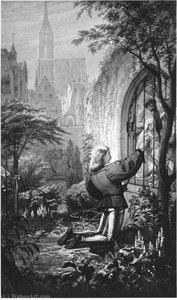
Constant Troyon, born in Sèvres in 1810, represents a fascinating confluence of artistic worlds – the meticulous detail of porcelain decoration, the burgeoning landscape movement, and ultimately, the evocative portrayal of animals. His early life was steeped in the traditions of his family’s renowned porcelain manufactory, an environment that instilled within him a profound appreciation for precision and ornamentation. Far from being confined to this delicate craft, however, Troyon possessed a restless spirit and a keen eye for the natural world, leading him on extensive journeys across France before he found his true artistic voice. Initially, he worked as a decorator, mastering the intricate techniques required to adorn porcelain with breathtaking scenes – a skill that honed his observational abilities and developed his understanding of composition and color. Yet, this early training ultimately proved restrictive, prompting him to seek a broader canvas for his talent.
Early Wanderings: Troyon’s travels in his youth exposed him to diverse landscapes and artistic styles, laying the groundwork for his later development as a landscape painter.
Roqueplan's Influence: A pivotal encounter with Camille Roqueplan, a more established artist, proved transformative. Roqueplan introduced Troyon to the Barbizon school, a movement characterized by its commitment to painting *en plein air* (outdoors) and a focus on capturing the essence of nature.
Transition to Animal Painting: Despite initial attempts at landscape painting, Troyon’s true calling emerged in his depiction of animals. This shift was largely influenced by Paulus Potter's “Young Bull,” which he encountered during a visit to the Netherlands, sparking a profound admiration for its realism and emotional depth.
The Barbizon School and Artistic Evolution
Troyon’s arrival within the Barbizon school marked a significant turning point in his artistic trajectory. This group of artists, including Jules Dupré and Theodore Rousseau, rejected the academic conventions prevalent at the time, prioritizing direct observation of nature and a looser, more expressive brushstroke. Troyon embraced these principles wholeheartedly, developing a distinctive style characterized by its atmospheric quality, subtle color harmonies, and remarkable ability to convey the spirit of his subjects. He wasn’t simply rendering animals; he was capturing their essence – their energy, their vulnerability, and their connection to the surrounding landscape. This approach moved beyond mere representation, aiming instead for a deeper emotional resonance with the viewer.
Rejection of Academicism: Troyon's work stood in stark contrast to the polished, idealized paintings favored by the official Salon.
Emphasis on *En Plein Air*: Like his Barbizon colleagues, Troyon prioritized painting outdoors, directly observing and capturing the nuances of light and atmosphere.
Development of a Unique Style: His distinctive style combined atmospheric effects with a remarkable sensitivity to animal behavior and their interaction with the natural world.
Mastering the Animal Portrait
Troyon’s most enduring legacy lies in his masterful depictions of animals, particularly cattle. He spent years observing these creatures in rural settings, meticulously studying their movements, expressions, and interactions. This dedication culminated in a series of iconic paintings that are celebrated for their realism, psychological depth, and evocative power. His portraits weren't simply accurate representations; they were imbued with a profound understanding of animal nature – their moods, their instincts, and their relationship to the land.
Detailed Observation: Troyon’s years spent observing cattle in rural settings provided him with an unparalleled knowledge of their anatomy, behavior, and appearance.
Psychological Depth: His paintings capture not just the physical likeness of animals but also their inner lives – their curiosity, their contentment, and even their moments of vulnerability.
Evocative Landscapes: Troyon skillfully integrated his animal portraits into carefully composed landscapes, creating scenes that are both visually stunning and emotionally resonant.
Recognition and Lasting Influence
Despite initial struggles, Troyon’s work gradually gained recognition in Britain and America, where it was highly prized for its realism and emotional depth. His paintings were exhibited to great acclaim, establishing him as a leading figure in the Barbizon school and securing his place among the most celebrated animal painters of his time. Even in his later years, Troyon continued to refine his technique and explore new subjects, producing some of his finest works. He died in 1865, leaving behind a rich legacy of paintings that continue to captivate viewers with their beauty, sensitivity, and profound understanding of the natural world. His work remains a testament to the power of observation, dedication, and artistic vision—a bridge between the meticulous craftsmanship of porcelain decoration and the boundless possibilities of pastoral painting.
Redakce OriginalUniqueArt.com
Kvíz o umění
U každé otázky je pouze jedna správná odpověď.
Otázka 1:
In what year was Constant Troyon born?
Otázka 2:
What artistic movement is Constant Troyon primarily associated with?
Otázka 3:
Before becoming a renowned animal painter, what was one of Troyon's early occupations?
Otázka 4:
Which artist significantly influenced Troyon’s later style after he visited the Netherlands?
Otázka 5:
Where did Constant Troyon spend a significant portion of his career, painting cattle and landscapes?
Discover the pinnacle of bespoke interior transformation with OriginalUniqueArt.com. Our master fresco artists create exquisite, hand-painted wall murals and ceiling masterpieces tailored to your estate. Elevate your architectural space with timeless, museum-quality artistry.