1


Aktualizováno listopad 2026 · seřazeno podle našeho skóre popularity (vyhledávání, návštěvy a objednávky u každého díla) · 15 děl umělce Dora Altounyan v našem katalogu
Stručně řečeno
Z pohledu galerie je nejslavnějším dílem Dora Altounyan obrazem Mountains and Valleys Foothills of the Amanus, jehož originál je vystaven v Abbot Hall Art Gallery v obci Kendal. Church – Notre Dame (1911) a Plein air (1914) doplňují trio, které každé oko okamžitě pozná. Z 15 děl umělce Dora Altounyan v našem katalogu představuje galerie níže 11 nejznámějších děl, z nichž každé je originálem s uvedením roku vzniku, muzea a toho, co jej činí jedinečným.


2 muzea, v nichž je umístěno nejvíce obrazů z této stránky.
| Muzeum | Město | Díla autora Dora Altounyan | Obrazy z tohoto seznamu |
|---|---|---|---|
 Abbot Hall Art Gallery |
Kendal | 7 | Mountains and Valleys Foothills of the Amanus, Church – Notre Dame, Plein air |
 National Trust |
Wareham | 2 | Stretches of the River Euphrates Looking North from Jerabulus Ferry, Stretches of the River Euphrates Looking South in the Afternoon |
27 let umění Dora Altounyan, od 1911 do 1937: galerie je sleduje rok po roce prostřednictvím jejich nejslavnějších originálů.
Vyberte rok a prohlédněte si originály.
Více od 1932
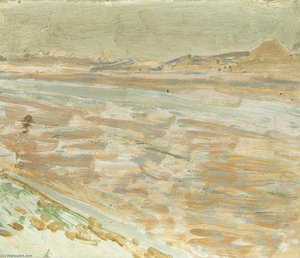
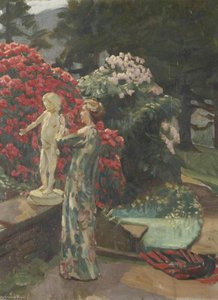
Mountains and Valleys Foothills of the Amanus, Abbot Hall Art Gallery, Kendal. Následují Church – Notre Dame (1911) a Plein air (1914).
Mountains and Valleys Foothills of the Amanus, Church – Notre Dame, Plein air, Barbara Collingwood Reading Casualties, Stretches of the River Euphrates Looking North from Jerabulus Ferry, Stretches of the River Euphrates Looking South in the Afternoon, View of Chagar Bazaar, Syria, Sunset, Agatha Christie (1890–1976), Seated, Surrounded by Objects, Sea of Galilee a Arthur Ransome (1884–1967). Hodnocení výše uvádí rok a muzeum pro každé z nich.
Náš katalog obsahuje 15 děl umělce Dora Altounyan z let 1911 až 1937.
Většinou v Abbot Hall Art Gallery (Kendal) a National Trust (Wareham). V tabulce muzeí výše jsou vypsány všechny.
V období 1932: 2 z celkem 11 děl na této stránce vzniklo právě tehdy, z toho Stretches of the River Euphrates Looking North from Jerabulus Ferry z nich.
Na této stránce je nejstarší dílo z Church – Notre Dame (1911) a nejnovější z View of Chagar Bazaar, Syria, Sunset (1937).
Mountains and Valleys Foothills of the Amanus, Church – Notre Dame a Plein air: muzeum Abbot Hall Art Gallery, Kendal má v obsluze 7 děl z této stránky.
Dora Altounyan (1886-1964) was more than just a painter; she was an explorer of landscapes, a chronicler of cultures, and a remarkably consistent voice in the world of watercolor during the late 19th and early 20th centuries. Born in Syria to Armenian parents, her life unfolded across Europe and the Middle East, profoundly shaping her artistic perspective and fueling a deep fascination with the region’s diverse beauty and complex social fabric. Altounyan's work stands apart not merely for its technical skill – though undeniably impressive – but for its quiet observation, nuanced understanding of light and color, and an ability to capture the essence of a place and its people.
Her early life was marked by a privileged upbringing within a cosmopolitan environment. Educated primarily at home, she received instruction in drawing and painting from her mother, a talented artist herself. This foundation proved crucial as she embarked on a journey of artistic self-discovery that took her through Europe, culminating in a prolonged period of residence in Syria during the early 20th century. It was here, amidst the ancient ruins, bustling marketplaces, and vast landscapes of the Middle East, that Altounyan truly found her voice. She wasn’t simply documenting scenery; she sought to understand the lives intertwined with it – the farmers tending their fields, the merchants trading goods, the women engaged in daily rituals.
Altounyan's artistic development was significantly influenced by two major movements: Impressionism and Orientalism. The Impressionist emphasis on capturing fleeting moments of light and color resonated deeply with her approach to landscape painting. She skillfully employed broken brushstrokes, vibrant hues, and a focus on atmospheric effects to convey the warmth of the sun, the coolness of shade, and the ever-changing quality of light in the Middle Eastern environment. Simultaneously, she was drawn to the Orientalist movement, which depicted scenes from the East – often romanticized or exoticized – through European eyes. However, unlike many of her contemporaries, Altounyan resisted simplistic stereotypes. Instead, she presented a more grounded and empathetic portrayal of the people and places she encountered, revealing their dignity and resilience.
Her travels provided an unparalleled opportunity to study local color palettes and techniques. She meticulously observed how light interacted with different surfaces – the rough texture of stone walls, the shimmering surface of water, the vibrant hues of textiles. This dedication to detail is evident in her paintings, which are characterized by a remarkable sensitivity to nuance and a deep appreciation for the beauty of everyday life.
Among Altounyan’s most celebrated works are her depictions of the Euphrates River, particularly “Stretches of the River Euphrates Looking North from Jerabulus Ferry.” This painting exemplifies her ability to capture the grandeur of the landscape while simultaneously conveying a sense of human presence. Other notable pieces include portraits of prominent figures like Agatha Christie and Barbara Collingwood, showcasing her skill in capturing personality and emotion through subtle gestures and expressions. Her subjects weren’t merely rendered; they were imbued with a quiet dignity and an air of contemplative serenity.
Recurring themes in Altounyan's work include the passage of time, the relationship between humanity and nature, and the enduring spirit of the people she depicted. She frequently painted scenes of rural life, capturing the rhythms of daily routines and the simple pleasures of existence. Her landscapes are not merely picturesque; they are imbued with a sense of history and memory, reflecting the long and complex story of the region.
Despite facing challenges as an Armenian woman working in a predominantly male-dominated art world, Dora Altounyan persevered, establishing herself as a respected artist known for her distinctive style and unwavering commitment to her subject matter. Her work offers a valuable window into the cultural landscape of the early 20th century Middle East, providing insights into the lives of ordinary people and the beauty of a region often overlooked by Western art historians. Her paintings are now held in prominent collections, including those at Art UK and OriginalUniqueArt.com, ensuring that her artistic legacy continues to be appreciated for generations to come.
Altounyan’s contribution lies not just in her aesthetic achievements but also in her courageous exploration of a region often shrouded in mystery and misunderstanding. She was an artist who truly saw – and captured with remarkable skill and sensitivity – the heart and soul of the Middle East.