Portrét Carol Jackson

9 nejslavnějších obrazů autora Carol Jackson, každý naprosto unikátní

Aktualizováno listopad 2026 · seřazeno podle našeho skóre popularity (vyhledávání, návštěvy a objednávky u každého díla) · 10 děl umělce Carol Jackson v našem katalogu

Stručně řečeno

Several Winter Evenings Delabole je obraz autora Carol Jackson, který přitahuje nejvíce pohledů; originál se nachází v New County Hall, Truro. Poté se zrak přesouvá k Greece (1997) a Crushing and Screening Plant (1998). Z 10 děl umělce Carol Jackson v našem katalogu je těchto 9 těch nejznámějších; každé z nich je unikátním originálem s uvedením roku vzniku, muzea a důvodu jeho nesmrtelnosti.

narozen 1962, Los Angeles Impressionism Nejvíce děl: University of Exeter

Top 10 obrazů autora Carol Jackson podle výběru galerie

Muzea, v nichž jsou vystavena originálna umělce Carol Jackson

6 muzea, v nichž je umístěno nejvíce obrazů z této stránky.

Muzeum Město Díla autora Carol Jackson Obrazy z tohoto seznamu
University of Exeter, ExeterUniversity of Exeter Exeter 3 Crushing and Screening Plant, Sun and Rain, Strong Winds, Drilling Carnsew Mine, Catch the Light
New County Hall, TruroNew County Hall Truro 1 Several Winter Evenings Delabole
Royal West of England Academy, BristolRoyal West of England Academy Bristol 1 Greece
Penlee House Gallery - Museum, PenzancePenlee House Gallery - Museum Penzance 1 Across to the Mount
St Peter's College, OxfordSt Peter's College Oxford 1 Port Meadow, 30 Years On
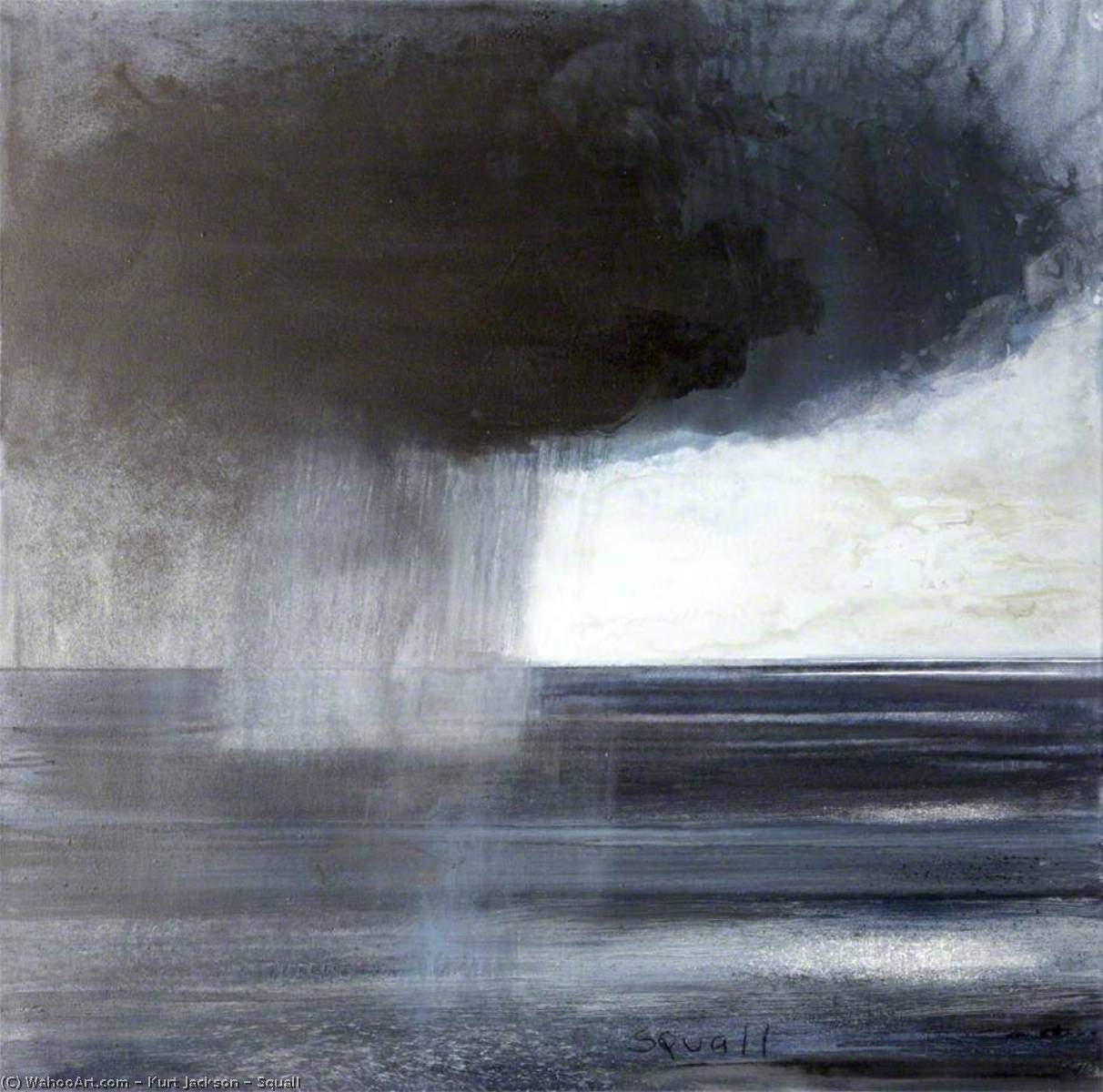
The Met Office, ExeterThe Met Office Exeter 1 Squall

Carol Jackson napříč desetiletími: jeden unikátní originál pro každou dekádu

Díla podle dekád

Vyberte si dekádu a prohlédněte si originál, který ji definuje.

Obrazy umělce Carol Jackson: dotazy pro galerii

Kterým nejznámějším dílem je Carol Jackson?Odhalit odpověď

Several Winter Evenings Delabole, New County Hall, Truro. Následují Greece (1997) a Crushing and Screening Plant (1998).

Kolik známých děl má autor Carol Jackson?Odhalit odpověď

Náš katalog obsahuje 10 děl umělce Carol Jackson z let 1997 až 2010.

Kde lze vidět nejznámější originály umělce Carol Jackson?Odhalit odpověď

Většinou v University of Exeter (Exeter), New County Hall (Truro) a Royal West of England Academy (Bristol). V tabulce muzeí výše jsou vypsány všechny.

V jakém období vytvořil(a) Carol Jackson svá nejznámější obrazy?Odhalit odpověď

V období 1990s: 4 z celkem 9 děl na této stránce vzniklo právě tehdy, z toho Greece z nich.

Který slavný obraz od Carol Jackson je nejstarší a který nejnovější?Odhalit odpověď

Na této stránce je nejstarší dílo z Greece (1997) a nejnovější z Port Meadow, 30 Years On (2010).

K kterému směru patří dílo umělce Carol Jackson?Odhalit odpověď

Impressionism, podle originálů na této stránce.

Jaká originální díla Carol Jackson mohu vidět v University of Exeter?Odhalit odpověď

Crushing and Screening Plant, Sun and Rain, Strong Winds, Drilling Carnsew Mine a Catch the Light: muzeum University of Exeter, Exeter má v obsluze 3 děl z této stránky.

Carol Jackson: portrét umělce

Kurt Jackson: Bridging Abstract Expressionism and Landscape Impression

Kurt Jackson (b. 1961) stands as a distinctive voice within contemporary British art, blending the dynamism of Abstract Expressionism with the serene beauty of landscape painting. Born in Stoke-on-Trent, Staffordshire, his artistic journey began amidst the industrial heritage of the Potteries, fostering an early fascination with texture and materiality – influences that would permeate his subsequent work. Jackson’s distinctive style is characterized by bold color palettes juxtaposed against textured impasto surfaces, creating canvases brimming with emotion and capturing fleeting moments of natural grandeur.
  • Early Influences: Jackson's formative years were shaped by the gritty landscapes of Stoke-upon-Trent and a deep appreciation for the expressive techniques pioneered by artists like Willem de Kooning and Franz Kline. These encounters instilled in him a conviction that abstraction could serve as a conduit for conveying profound feelings about the natural world.
  • Technique & Material Exploration: Jackson’s artistic process is marked by meticulous experimentation with various mediums, including watercolor, acrylics, oil paints, and mixed media. He frequently incorporates found objects – stones, driftwood, and even soil – into his paintings, elevating them beyond mere representation to become tactile explorations of form and texture.
  • Notable Works: Among Jackson’s celebrated pieces are “Across to the Mount,” a monumental watercolor depicting coastal cliffs bathed in sunlight; “Sun and Rain, Strong Winds, Drilling Carnsew Mine,” a dramatic depiction of a Cornish mine site capturing industrial energy against atmospheric conditions; and “Greece,” an impressionistic landscape portraying rural Greece with evocative color harmonies.
  • Critical Recognition: Jackson’s work has garnered considerable acclaim from critics and collectors alike. He was awarded the Turner Prize in 2003, cementing his position as one of Britain's most prominent artists of his generation.

The Legacy of Abstract Expressionism & Luminist Vision

Jackson’s artistic vision draws heavily from the principles of Abstract Expressionism, particularly the emphasis on spontaneous gesture and emotional intensity—a reaction against the formalism prevalent in earlier art movements. However, unlike many of his contemporaries who focused solely on internal psychological landscapes, Jackson consistently returns to external observation, channeling Luminist influences into his depictions of natural environments. This dual inspiration informs his approach, resulting in paintings that resonate with both visceral energy and contemplative stillness.
  • De Kooning & Kline Influence: The influence of Willem de Kooning’s gestural brushstrokes and Franz Kline's stark black-and-white compositions is palpable in Jackson’s canvases. He strives to capture the immediacy of experience, mirroring the expressive fervor characteristic of these seminal artists.
  • Luminist Aesthetic: Drawing inspiration from Luminist painters like Frederic Church and Albert Bierstadt, Jackson seeks to convey a sense of grandeur and sublime beauty—emphasizing atmospheric perspective and capturing the emotional impact of landscapes on the human spirit.

Exploring Texture & Emotion Through Mixed Media

Jackson’s artistic signature lies in his masterful manipulation of texture and color, achieved through innovative mixed media techniques. He painstakingly builds up layers of paint—often incorporating sand, stone fragments, and other natural materials—creating surfaces that pulsate with physicality and inviting viewers to engage their senses. This tactile approach is complemented by a deliberate use of color palettes designed to evoke specific moods and sensations.
  • Impasto Technique: Jackson’s signature impasto technique – applying paint thickly onto the canvas – generates palpable surface relief, mirroring the ruggedness of his subjects and amplifying their emotional resonance.
  • Color Harmony & Symbolism: He employs color harmonies that are both harmonious and dissonant, reflecting the complexities of human experience and subtly hinting at underlying symbolic meanings within his landscapes.

A Continuing Artistic Voice

Despite achieving considerable success and recognition, Kurt Jackson remains committed to pushing artistic boundaries and exploring new avenues for expression. His ongoing engagement with contemporary themes—such as climate change and the relationship between humanity and nature—underscores his unwavering belief in art’s capacity to provoke reflection and inspire action. He continues to produce evocative paintings that celebrate the beauty of the natural world while simultaneously confronting urgent societal challenges, ensuring that Jackson's artistic legacy persists as a testament to both visual artistry and intellectual engagement.