Portrét Beatriz Milhazes

17 nejslavnějších obrazů autora Beatriz Milhazes, každý naprosto unikátní

Aktualizováno listopad 2026 · seřazeno podle našeho skóre popularity (vyhledávání, návštěvy a objednávky u každého díla) · 18 děl umělce Beatriz Milhazes v našem katalogu

Stručně řečeno

The Beach (A Praia) (1997) je obraz autora Beatriz Milhazes, který přitahuje nejvíce pohledů; originál se nachází v Metropolitan Museum of Art, New York. Poté se zrak přesouvá k Sem Título [Untitled] (1987) a Figo (2006). Z 18 děl umělce Beatriz Milhazes v našem katalogu je těchto 17 těch nejznámějších; každé z nich je unikátním originálem s uvedením roku vzniku, muzea a důvodu jeho nesmrtelnosti.

narozen 1960, Rio de Janeiro Nejvíce děl: Metropolitan Museum of Art

Top 10 obrazů autora Beatriz Milhazes podle výběru galerie

1
The Beach (A Praia) (1997) od Beatriz Milhazes

The Beach (A Praia)

1997 · Mixed Media · Metropolitan Museum of Art, New York

To stand before Beatriz Milhazes’ work is to be enveloped in a riotous celebration—a visual symphony that pulses with the relentless, joyous energy of Brazil itself. In "The Beach (A Praia)," Milhazes does not merely depict a scene; she constructs an immersive cultural tapestry. While the photo description suggests a lively beach tableau populated by figures and birds, the true subject matter is far richer: it is a confluence of…

2
Sem Título [Untitled] (1987) od Beatriz Milhazes

Sem Título [Untitled]

1987 · Acrylic On Canvas · Pinacoteca do Estado de São Paulo, São Paulo

In the vibrant landscape of contemporary Brazilian art, few voices resonate with as much rhythmic energy and kaleidoscopic brilliance as Beatriz Milhazes. Her 1987 masterpiece, Sem Título [Untitled], serves as a breathtaking window into a world where geometry meets organic exuberance. At first glance, the viewer is met with a striking confrontation: a woman's face emerging from a deep, velvety black background. This stark contrast creates an immediate sense of…

3
Figo (2006) od Beatriz Milhazes

Figo

2006 · Acrylic On Canvas

In Figo, Beatriz Milhazes constructs a dense architecture of overlapping forms. Created about 2006, the work rejects a single focal point, opting instead for a crowded field of visual energy. Rectangular blocks sit heavy against the surface, colliding with swirling floral motifs and soft circular shapes. These elements do not merely sit side by side; they interlock and stack, creating a sense of constant, rhythmic movement across the plane.

Slavná díla umělce Beatriz Milhazes, čísla 11 až 17

Motivy, které zaujaly Beatriz Milhazes

Čtyři témata, která se v těchto originálech nejčastěji objevují, z nichž každé má svůj nejlepší příklad.

Muzea, v nichž jsou vystavena originálna umělce Beatriz Milhazes

3 muzea, v nichž je umístěno nejvíce obrazů z této stránky.

Muzeum Město Díla autora Beatriz Milhazes Obrazy z tohoto seznamu
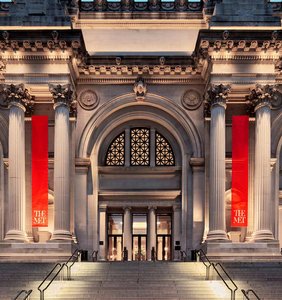
Metropolitan Museum of Art, New YorkMetropolitan Museum of Art New York 1 The Beach (A Praia)
Pinacoteca do Estado de São Paulo, São PauloPinacoteca do Estado de São Paulo São Paulo 1 Sem Título [Untitled]
MAM Rio, Rio de JaneiroMAM Rio Rio de Janeiro 1 Untitled

Beatriz Milhazes napříč desetiletími: jeden unikátní originál pro každou dekádu

Díla podle dekád

Vyberte si dekádu a prohlédněte si originál, který ji definuje.

Obrazy umělce Beatriz Milhazes: dotazy pro galerii

Kterým nejznámějším dílem je Beatriz Milhazes?Odhalit odpověď

The Beach (A Praia) (1997), Metropolitan Museum of Art, New York. Následují Sem Título [Untitled] (1987) a Figo (2006).

V jakém věku vytvořil(a) Beatriz Milhazes dílo The Beach (A Praia)?Odhalit odpověď

37 let: dílo The Beach (A Praia) pochází z roku 1997 a Beatriz Milhazes se narodil/a v roce 1960.

Kterých deset obrazů autora Beatriz Milhazes je nejznámějších?Odhalit odpověď

The Beach (A Praia), Sem Título [Untitled], Figo, The Kiss, Untitled, The Kiss, Phebo, Carambola, Sugar a Salt (Diptych). Hodnocení výše uvádí rok a muzeum pro každé z nich.

Kolik známých děl má autor Beatriz Milhazes?Odhalit odpověď

Náš katalog obsahuje 18 děl umělce Beatriz Milhazes z let 1987 až 2009.

Kde lze vidět nejznámější originály umělce Beatriz Milhazes?Odhalit odpověď

Většinou v Metropolitan Museum of Art (New York), Pinacoteca do Estado de São Paulo (São Paulo) a MAM Rio (Rio de Janeiro). V tabulce muzeí výše jsou vypsány všechny.

V jakém období vytvořil(a) Beatriz Milhazes svá nejznámější obrazy?Odhalit odpověď

V období 2000s: 12 z celkem 17 děl na této stránce vzniklo právě tehdy, z toho Figo z nich.

Který slavný obraz od Beatriz Milhazes je nejstarší a který nejnovější?Odhalit odpověď

Na této stránce je nejstarší dílo z Sem Título [Untitled] (1987) a nejnovější z Sugar (2009).

Jakým tématům se Beatriz Milhazes věnoval/a nejčastěji?Odhalit odpověď

Geometric abstraction (2), Female figure (2) a Circles (2) napříč 17 díly na této stránce.

Jaké materiály používal(a) Beatriz Milhazes nejčastěji?Odhalit odpověď

Mixed Media, u 2 z 17 děl na této stránce.

Beatriz Milhazes: portrét umělce

A Kaleidoscope of Brazilian Modernism

Beatriz Milhazes stands as a luminous figure in the contemporary art world, a painter whose work vibrates with the rhythmic energy of her native Rio de Janeiro. Born in 1960, Milhazes emerged from a landscape where the transition from military dictatorship to political freedom sparked a profound creative resurgence known as the Geração 80. Her upbringing was steeped in a rich cultural tapestry; with a father who was a lawyer and a mother an art historian, she was raised amidst a deep appreciation for both formal aesthetics and the complex narratives of Brazilian identity. This foundation allowed her to develop a visual language that is simultaneously deeply local and universally accessible, blending the high-minded principles of European modernism with the exuberant, sensory textures of Brazilian life.

The artist’s early academic journey at the Escola de Artes Visuais Parque Lage provided the fertile ground necessary for her experimentation. It was here that she began to synthesize disparate influences into a singular vision. Her work is a masterful dialogue between the structured geometry of Piet Mondrian and the Bauhaus movement, and the fluid, organic ornamentation found in the works of Henri Matisse and the Brazilian icon Tarsila do Amaral. Milhazes does not merely reference these masters; she reinterprets them through a lens of tropicality, where the sharp edges of abstraction are softened by the swirling motifs of carnaval, samba, and the lush flora of the tropics.

The Alchemy of Layered Light

What truly distinguishes a Milhazes masterpiece is her idiosyncratic and mesmerizing technique, a process that defies the traditional boundaries between painting and collage. In the mid-1990s, she perfected a method of "collaging paint" that has become her artistic signature. Rather than applying pigment directly to a canvas in a conventional manner, she paints vibrant, abstract designs onto transparent plastic sheets. These layers are then meticulously transferred to the canvas, a repetitive and rhythmic process that allows her to build complex, multi-dimensional textures while maintaining a deceptively flat surface. This technique creates a sense of temporal depth, as if several moments of creation have been compressed into a single, luminous plane.

This method serves her broader conceptual goal: to minimize the visible "hand" of the painter and instead focus on the pure interplay of color and form. The resulting compositions are a dizzying array of circles, squares, and floral patterns that evoke the optical dynamism of Op Art. Her palette is famously saturated, reflecting the intense sunlight of Rio de Janeiro and the kaleidoscopic variety of popular Brazilian fabrics, ceramic tiles, and colonial Baroque architecture. In her hands, the canvas becomes a site of "conceptual carnavalesca," where high art and popular culture collide in a celebratory explosion of pattern.

A Global Legacy and Architectural Vision

As her career progressed, Milhazes’ reach extended far beyond the confines of the traditional frame. She began to treat space itself as a medium, creating large-scale architectural installations and site-specific interventions that transform institutional environments into immersive experiences. From the Tate Modern in London to the Fondation Cartier in Paris, her work has breathed new life into prestigious global venues, proving that her language of pattern and color is truly international. These projects, such as her reconstructed architectural models for Pinturas Nômades, demonstrate her ability to translate the intimacy of a painting into the grandeur of public space.

The historical significance of Beatriz Milhazes lies in her ability to navigate the tension between local identity and global modernism. She has successfully reclaimed Brazilian motifs—once viewed through a purely folkloric lens—and elevated them into the realm of sophisticated, high-concept abstraction. Her work remains a testament to the power of synthesis, proving that an artist can be deeply rooted in their own soil while speaking a language that resonates across continents. Through her layered histories and vibrant geometries, Milhazes continues to invite viewers into a world where every stroke is a celebration of life, movement, and the enduring beauty of the unexpected.