Portrét Adolphe Yvon

Obrazy autora Adolphe Yvon: 26 nejznámějších díel podle pohledu galerie

Aktualizováno listopad 2026 · seřazeno podle našeho skóre popularity (vyhledávání, návštěvy a objednávky u každého díla) · 26 děl umělce Adolphe Yvon v našem katalogu

Stručně řečeno

Z pohledu galerie je nejslavnějším dílem Adolphe Yvon obrazem Marshal Ney Supporting the Rear Guard during the Retreat from Moscow (1856), jehož originál je vystaven v Manchester Art Gallery v obci Manchester. Portrait of Napoleon III (1868) a Sketch for the Hôtel de Ville de Paris: Philippe Auguste before departing for the Holy Land, entrusting the guardianship of his son and his treasure to the bourgeois of Paris (1862) doplňují trio, které každé oko okamžitě pozná. Z 26 děl umělce Adolphe Yvon v našem katalogu představuje galerie níže 26 nejznámějších děl, z nichž každé je originálem s uvedením roku vzniku, muzea a toho, co jej činí jedinečným.

1817 – 1893, Eschweiler Academic art Nejvíce děl: Musée Carnavalet

Top 10 obrazů umělce Adolphe Yvon v naší galerii

1
Marshal Ney Supporting the Rear Guard during the Retreat from Moscow (1856) od Adolphe Yvon

Marshal Ney Supporting the Rear Guard during the Retreat from Moscow

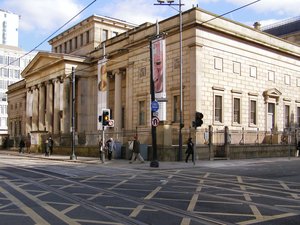
1856 · Oil On Canvas · Manchester Art Gallery, Manchester

The oil on canvas work titled Marshal Ney Supporting the Rear Guard during the Retreat from Moscow is a historical painting by the French artist Adolphe Yvon. This composition depicts a specific military scene from December 1812, occurring during the retreat from Moscow. The subject matter focuses on the actions of Marshal Michel Ney as he rallies the rear guard of the Grande Armée during the withdrawal from Russia.

2
Portrait of Napoleon III (1868) od Adolphe Yvon

Portrait of Napoleon III

1868 · Oil On Canvas · Walters Art Museum, Baltimore

The Portrait of Napoleon III is an oil on canvas by Adolphe Yvon. This work, dating to 1868, captures the Emperor in a moment of stillness. The scale of the piece is 56 x 47 cm. It is a quiet study of a man held within the frame of history.

3
Sketch for the Hôtel de Ville de Paris: Philippe Auguste before departing for the Holy Land, entrusting the guardianship of his son and his treasure to the bourgeois of Paris (1862) od Adolphe Yvon

Sketch for the Hôtel de Ville de Paris: Philippe Auguste before departing for the Holy Land, entrusting the guardianship of his son and his treasure to the bourgeois of Paris

1862 · Oil On Board · Petit Palais, Paříž

This oil sketch, titled Sketch for the Hôtel de Ville de Paris: Philippe Auguste before departing for the Holy Land, entrusting the guardianship of his son and his treasure to the bourgeois of Paris, offers a glimpse into the preparatory process of Adolphe Yvon. Created in 1862, the work captures a moment of significant historical weight through a series of gestural, expressive strokes. It is an intimate study of movement…

4
Portrait of Étienne Mélingue (1808-1875), actor and sculptor (1856) od Adolphe Yvon

Portrait of Étienne Mélingue (1808-1875), actor and sculptor

1856 · Oil On Canvas · Musée Carnavalet, Paříž

The portrait captures Étienne Mélingue, a man whose presence is defined by the interplay of light and deep shadow. Rendered in an oval composition, the bust focuses on the head and shoulders, utilizing a chiaroscuro effect that illuminates one side of the face while casting the other into darkness. This directional lighting, appearing to originate from the upper left, emphasizes the textures of his voluminous hair and the crispness of…

5
Genius of America (1858) od Adolphe Yvon

Genius of America

1858 · Oil On Canvas · Saint Louis Art Museum, Saint Louis

Genius of America is an allegorical painting by Adolphe Yvon, executed about 1858. Commissioned by the Irish-American businessman Alexander Turney Stewart, the work functions as a complex visual representation of national identity and the aftermath of the American Civil War. While the piece is widely known by this title, it was likely not the artist's original designation for the canvas.

6
Portrait of Baron Haussmann (1809-1891), Prefect of the Seine (1867) od Adolphe Yvon

Portrait of Baron Haussmann (1809-1891), Prefect of the Seine

1867 · Oil · Musée Carnavalet, Paříž

A dignified profile of Baron Haussmann emerges from a dark, atmospheric background, rendered in a traditional academic style. The composition focuses on the subject's head and shoulders, utilizing a chiaroscuro effect where light from the upper left illuminates the forehead, nose, and cheek. This lighting creates a sense of three-dimensional depth against the somber, earthy tones of the canvas. The palette is restrained, dominated by deep browns, blacks, and creams,…

7
The Emperor presents to Haussmann the plan of annexation of the Communes (1865) od Adolphe Yvon

The Emperor presents to Haussmann the plan of annexation of the Communes

1865 · Oil On Canvas · Musée Carnavalet, Paříž

The Emperor presents to Haussmann the plan of annexation of the Communes is a significant work by the French painter Adolphe Yvon. Created about 1865, the oil on canvas captures a pivotal moment of administrative and political restructuring in 19th-century France. The composition centers on the formal exchange of a document between key figures of the Second Empire.

8
Samuel Ward McAllister (1827–1895) (1877) od Adolphe Yvon

Samuel Ward McAllister (1827–1895)

1877 · Oil On Canvas · New York Historical Society, New York

A formal 19th-century oil portrait presents a middle-aged man in an oval vignette composition. He is shown from the chest up, gazing directly at the viewer with a composed, steady expression. The subject wears formal attire consisting of a black frock coat, a dark waistcoat, and a black bowtie, with the subtle hint of a watch chain visible against his clothing. His facial hair is meticulously groomed, featuring a mustache…

9
Mrs. Samuel Ward McAllister (ca. 1830–1909) (1874) od Adolphe Yvon

Mrs. Samuel Ward McAllister (ca. 1830–1909)

1874 · Oil On Canvas · New York Historical Society, New York

This oil on canvas portrait presents Mrs. Samuel Ward McAllister (ca. 1830–1909). Painted by Adolphe Yvon, the work captures the subject in a moment of quiet poise. The portrait focuses on the presence of the woman, rendered with the technical precision characteristic of Yvon’s academic training. It is a formal study of character and status, executed during a period when the artist was deeply engaged with the nuances of portraiture.

10
Mademoiselle S'Nabou (1892) od Adolphe Yvon

Mademoiselle S'Nabou

1892 · Oil On Canvas · Musée Carnavalet, Paříž

In this 1892 portrait, we encounter a young Black woman captured in a moment of profound stillness. She is positioned slightly off-center, her gaze directed toward the left of the frame, creating a sense of quiet dignity that draws the viewer into her private space. The composition is a bust-length study, focusing our attention entirely on her character and the subtle play of light across her features. There is an…

Obrazy autora Adolphe Yvon, seřazeny od 11 do 26

Motivy, které zaujaly Adolphe Yvon

Čtyři témata, která se v těchto originálech nejčastěji objevují, z nichž každé má svůj nejlepší příklad.

Muzea, v nichž jsou vystavena originálna umělce Adolphe Yvon

7 muzea, v nichž je umístěno nejvíce obrazů z této stránky.

Muzeum Město Díla autora Adolphe Yvon Obrazy z tohoto seznamu
Musée Carnavalet, PařížMusée Carnavalet Paříž 4 Portrait of Étienne Mélingue (1808-1875), actor and sculptor, Portrait of Baron Haussmann (1809-1891), Prefect of the Seine, The Emperor presents to Haussmann the plan of annexation of the Communes
New York Historical Society, New YorkNew York Historical Society New York 2 Samuel Ward McAllister (1827–1895), Mrs. Samuel Ward McAllister (ca. 1830–1909)
Manchester Art Gallery, ManchesterManchester Art Gallery Manchester 1 Marshal Ney Supporting the Rear Guard during the Retreat from Moscow
Walters Art Museum, BaltimoreWalters Art Museum Baltimore 1 Portrait of Napoleon III
Petit Palais, PařížPetit Palais Paříž 1 Sketch for the Hôtel de Ville de Paris: Philippe Auguste before departing for the Holy Land, entrusting the guardianship of his son and his treasure to the bourgeois of Paris
Saint Louis Art Museum, Saint LouisSaint Louis Art Museum Saint Louis 1 Genius of America
Château de Versailles, VersaillesChâteau de Versailles Versailles 1 Battle of Magenta

Adolphe Yvon, jeden ikonický obraz na každé desetiletí

Díla podle dekád

Vyberte si dekádu a prohlédněte si originál, který ji definuje.

Obrazy umělce Adolphe Yvon: odpovědi galerie

Který obraz autora Adolphe Yvon je nejslavnější ze všech?Odhalit odpověď

Marshal Ney Supporting the Rear Guard during the Retreat from Moscow (1856), Manchester Art Gallery, Manchester. Následují Portrait of Napoleon III (1868) a Sketch for the Hôtel de Ville de Paris: Philippe Auguste before departing for the Holy Land, entrusting the guardianship of his son and his treasure to the bourgeois of Paris (1862).

Kolik let bylo Adolphe Yvon, když dokončil/a Marshal Ney Supporting the Rear Guard during the Retreat from Moscow?Odhalit odpověď

39 let: dílo Marshal Ney Supporting the Rear Guard during the Retreat from Moscow pochází z roku 1856 a Adolphe Yvon se narodil/a v roce 1817.

Kterých 10 nejlepších obrazů má Adolphe Yvon?Odhalit odpověď

Marshal Ney Supporting the Rear Guard during the Retreat from Moscow, Portrait of Napoleon III, Sketch for the Hôtel de Ville de Paris: Philippe Auguste before departing for the Holy Land, entrusting the guardianship of his son and his treasure to the bourgeois of Paris, Portrait of Étienne Mélingue (1808-1875), actor and sculptor, Genius of America, Portrait of Baron Haussmann (1809-1891), Prefect of the Seine, The Emperor presents to Haussmann the plan of annexation of the Communes, Samuel Ward McAllister (1827–1895), Mrs. Samuel Ward McAllister (ca. 1830–1909) a Mademoiselle S'Nabou. Hodnocení výše uvádí rok a muzeum pro každé z nich.

Kolik děl vytvořil/a Adolphe Yvon?Odhalit odpověď

Náš katalog obsahuje 26 děl umělce Adolphe Yvon z let 1856 až 1892.

Kde jsou vystavena nejznámější originály umělce Adolphe Yvon?Odhalit odpověď

Většinou v Musée Carnavalet (Paříž), New York Historical Society (New York) a Manchester Art Gallery (Manchester). V tabulce muzeí výše jsou vypsány všechny.

Kdy Adolphe Yvon vytvořil své nejslavnější obrazy?Odhalit odpověď

V období 1860s: 4 z celkem 26 děl na této stránce vzniklo právě tehdy, z toho Portrait of Napoleon III z nich.

Která jsou nejstarší a nejnovější slavná díla umělce Adolphe Yvon?Odhalit odpověď

Na této stránce je nejstarší dílo z Marshal Ney Supporting the Rear Guard during the Retreat from Moscow (1856) a nejnovější z Mademoiselle S'Nabou (1892).

Kterým tématům se Adolphe Yvon věnoval(a) nejčastěji?Odhalit odpověď

Man (5), Portrait (5) a Woman (4) napříč 26 díly na této stránce.

V jaké technice tvořil(a) Adolphe Yvon nejčastěji?Odhalit odpověď

Oil On Canvas, u 8 z 26 děl na této stránce.

S jakým směrem je spojen(a) Adolphe Yvon?Odhalit odpověď

Academic art, podle originálů na této stránce.

Jaká originální díla Adolphe Yvon má v obsluze Musée Carnavalet?Odhalit odpověď

Portrait of Étienne Mélingue (1808-1875), actor and sculptor, Portrait of Baron Haussmann (1809-1891), Prefect of the Seine a The Emperor presents to Haussmann the plan of annexation of the Communes: muzeum Musée Carnavalet, Paříž má v obsluze 4 děl z této stránky.

Adolphe Yvon: umělec

Adolphe Yvon: Mistr napoleonského dramatu

Adolphe Yvon (1817–1893) představuje klíčovou postavu 19. století francouzského umění, známou především svými dramatickými a nesmírně pečlivě prozkoumanými ztvárněními napoleonských válek. Jeho umělecká cesta, která začala v rodném Eschweileru ve Francii, byla formována klasickým vzděláním na Pařížské škole krásných umění (École des Beaux-Arts), kde si pod vedením Paula Delaroche zdvedl své mistrovské dovednosti – tento vliv hluboce ovlivnil jeho přístup k historickému malířství. Na rozdíl od mnoha umělců své éry, kteří se soustředili na idealizovanou krásu nebo mytologická témata, se Yvon obětoval zachycení brutální reality a strategické složitosti vojenských kampaní, čímž si vybudoval unikátní místo v rámci akademické tradice.

Yvonova raná kariéra byla charakteristická díly náboženskými, avšak právě kolem roku 1846 přešel k historickým scénám, za něž si rychle získal uznání díky své schopnosti vykreslit bojiště s neuvěřitelnou detailností a emocionální intenzitou. Bitva u Koulikowa v Rusku se stala zásadním zlomem, který demonstroval jeho rostoucí talent pro zachycení chaosu a hrdinství války. Tento posun odrážel širší trend tehdejšího francouzského umění – obnovený zájem o připomínání historických událostí, zejména těch spojených s imperiální minulostí Francie. Jeho precizní přístup vyžadoval rozsáhlý výzkum, který často vyústil v dlouhé cesty na samotná bojiště, což dokázala například jeho šestitýdenní expedice na Krym v roce 1856 za účelem zdokumentování obléhání Sevastopolu.

Krymská kronika a umělecké uznání

Možná nejslavnější dílem Yvonova tvorby je „La Prise de la tour de Malakoff le 8 septembre 1855“, které stojí jako nesporný důkaz jeho umělecké geniality. Obraz, na nějž měla zásadní roli francouzská vláda po klíčovém zdobytí této pevnosti během Krymské války, měří impozétních šest na devět metrů a živě vykresluje dramatický vrchol útoku. Samotný rozmach tohoto díla podtrhuje jeho význam a odráží obrovskou národní hrdost spojenou s vojenskými úspěchy Francie. Yvon se však nespokojil pouze s prostým ztvárněním bitvy; jeho cílem bylo předat strategický význam tohoto momentu i nefalšovanou odvahu vojáků, kteří se v něm účastnili. Jeho precizní pozornost k detailům, od precizně vykreslených uniforem a zbraní až po intenzivní výrazy v tvářích bojovníků, vytvořila pro diváka hluboce imerzivní a poutavý zážitek.

Po úspěchu díla „La Prise de la tour de Malakoff“ pokračoval Yvon ve svém zkoumání napoleonských témat a vytvořil díla jako „La Gorge de Malakoff“ či „La courtine de Malakoff“, čímž dále upevnil svou pověst předního interpretora vojenské historie. V roce 1867 ocenil císař Napoleon III Yvonův přínos tím, že ho jmenoval důstojníkem Legie cti – prestižního vyznamenání udělovaného jednotlivcům, kteří prokázali výjimečnou službu Francii. Toto uznání nejen potvrdilo jeho umělecké úspěchy, ale také zdůraznilo jeho roli patriotického umělce, jehož životním posláním bylo oslavovat francouzskou vojenskou historii.

Pedagog a vlivný mentor

Kromě své vlastní, nesmírně plodné tvorby, odehrál Adolphe Yvon zásadní roli při formování další generace francouzských umělců. V letech 1863 až 1883 působil jako hlavní pedagog kresby na École des Beaux-Arts, kde předával své technické mistrovství a uměleckou vizi nespočetným studentům. Mezi jeho významné žáky patřili například António Soares dos Reis a Henrique Pousão, což dokazuje mezinárodní dosah Yvonova vlivu. Významně profitovala i americká scéna výtvarného umění; pod jeho vedením studovali Christian Schussele, Alfred Wordsworth Thompson, William Sartain i J. Alden Weir, kteří od něj čerpali techniky i svůj přístup k historickému malířství.

Yvonovy pedagogické metody byly zejména charakteristické důrazem na kompozice v náčrtu a detailní studie témat, jako je například „Úmrtí Juliusa Caesara“. Jeho instrukce – které vymezovaly přesné postavení postav a dokonce popisovaly i efekt skvrn krve na soše – odhalují precizní a vysoce analytický přístup k umělecké tvorbě. Tato oddanost detailu, v połąčení s jeho hlubokým porozuměním pro vojenskou historii a strategickému plánování, ugruntovala Yvonovo odkaz nejen jako zručeného malíře, ale i jako vlivného pedagoga.

Za hranicami bojiště: Portréty a americké vazby

Ačkoliv je Yvon primárně znám svým dílem zachycujícím válečné scény, jeho umělecký pohled se nebyl omezen pouze na chaos bitev, ale odvátil se i k portrétnímu malířství, czegož je nejvýraznějším důkazem portrét císaře Napoleona III z roku 1868. Přestože tento konkrétní portrét zůstal ztracen, jeho existence svědčí o šíři uměleckých zájmů autora a o jeho hlubokých vazbách na nejvyšší vrstvy francouzské společnosti. Fascinující transatlantickou vazbu odhaluje i jeho zakázka od amerického sběratele Alexandra Stewarta na vytvoření díla „Reconciliace severu a jihu“ (dílo dnes již ztracené). Tento projekt, zahájený v roce 1870, odráží snahu zachytit komplexní proces poválečné usmíření – téma, které silně rezonovalo s tehdejší širší společenskou i politickou realitou.

Navíc Yvonova interakce s americkými umělci, jako je J. Alden Weir, podtrhává významný výměnu uměleckých idejí napříč kontinenty. Jeho ochota poskytovat svým studentům kompozice a detailní studie, jako je například precizní zpracování scény Caesarova vraždění, je ztělesněním kolaborativního přístupu k tvorbě a neúnavného usilování o podpora kreativity ve svém ateliéru. Kariéra, kterou zanechal Adolphe Yvon, představuje nejen výjimečný úspěch v rámci 19. století francouzského malířství, ale také zásadní přínos k rozvoji uměleckého vzdělávání a k přenosu historických narativů prostřednictí vizuální obrazovosti.