The Pop Art Revolution: Breaking the Boundaries of Tradition
To understand the seismic shift that occurred in the mid-20th century, one must look beyond the gilded frames of traditional galleries and into the neon-soaked pulse of everyday life. Before the arrival of Pop Art, the art world was often perceived as an elite, insular sanctuary, preoccupied with the heavy emotional weight of Abstract Expressionism. Then came a movement that dared to look outward, finding profound meaning in the mundane, the mass-produced, and the momentary. This revolution did not merely suggest new subjects; it fundamentally challenged the very definition of what constitutes "fine art." By embracing the imagery of advertising, comic books, and consumer goods, Pop Art dismantled the hierarchy between high culture and low culture, inviting the public to find beauty in the ubiquitous symbols of their own era.
This movement was characterized by a defiant rejection of the "painterly" touch—the visible, emotional brushstroke that had defined art for centuries. Instead, artists sought a mechanical, almost detached aesthetic that mirrored the industrial processes of the modern world. It was a bold, unapologetic embrace of the present moment, turning the supermarket aisle and the cinema screen into legitimate landscapes for artistic exploration. In doing so, Pop Art transformed the viewer from a passive observer of distant myths into an active participant in a shared, visual language of contemporary life.
Icons of the Era: From Warhol’s Celebrity Culture to Haring’s Street Style
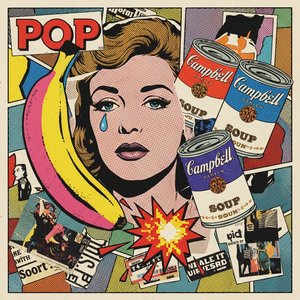
At the heart of this vibrant movement stand figures whose names have become synonymous with the era itself. No name carries more weight than Andy Warhol, the undisputed architect of celebrity-driven art. Through his mastery of the silkscreen process, Warhol captured the ephemeral nature of fame, turning icons like Marilyn Monroe and even political figures like Che Guevara into repetitive, colorful motifs. His work explored the intersection of mass production and human identity, suggesting that in a world of endless reproduction, even the most sacred personas become commodities. His fascination with Campbell’s Soup Cans and the glittering veneer of Hollywood created a mirror reflecting both the allure and the emptiness of consumerism.
As the movement evolved, it found new energy in the streets and subcultures of New York. Keith Haring brought a different kind of vitality to the canvas, blending the rhythmic energy of graffiti with a sophisticated graphic language. His work, often featuring dancing figures and bold outlines, bridged the gap between underground street art and high-end galleries. A particularly striking example of this cross-pollination is seen in works like Andy Mouse, where Haring’s signature style meets Warhol’s legacy, blending the commercial charm of Mickey Mouse with a profound commentary on artistic lineage. These artists did not just paint subjects; they created icons that continue to resonate across generations, proving that art can be both deeply personal and universally recognizable.
The Visual Language of Pop: Bold Colors, Repetition, and Mass Media
The aesthetic power of Pop Art lies in its unapologetic use of a specific visual vocabulary. It is a language spoken through saturated hues—electric yellows, hot pinks, and cyan blues—that demand attention and refuse to fade into the background. This palette was not chosen merely for its vibrancy but for its connection to the printing presses and commercial advertisements that saturated the post-war landscape. The use of high-contrast colors creates a sense of immediacy, pulling the viewer into a world where every image feels like a headline.
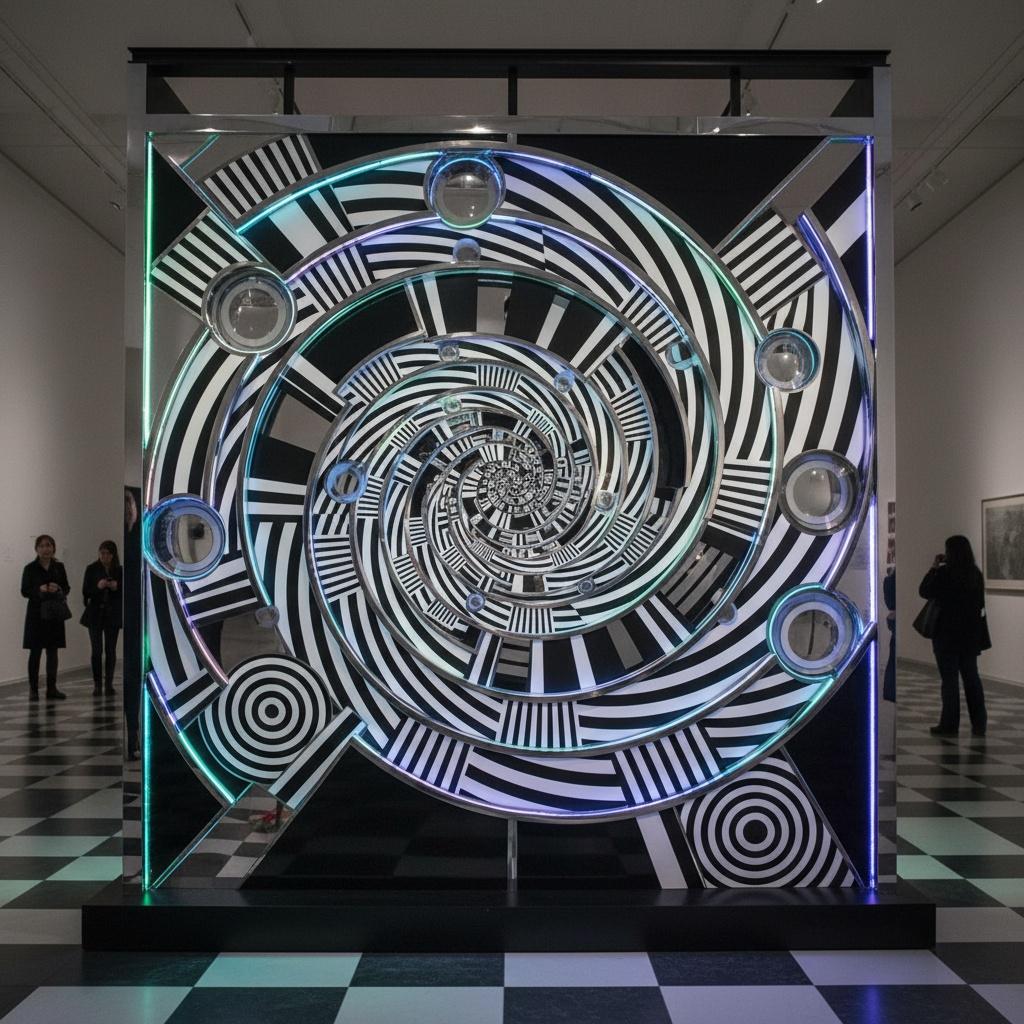
Complementing this color is the strategic use of repetition and mechanical reproduction. By repeating an image—whether it be a face, a product, or a symbol—artists were able to mimic the relentless flow of mass media. This technique strips away the uniqueness of the subject, forcing the viewer to confront the sheer volume of imagery we consume daily. The rhythm of repetition creates a hypnotic effect, turning a single portrait into a pattern, and a single object into an icon. It is through this deliberate use of scale, color, and duplication that Pop Art captures the frantic, overwhelming, and exhilarating essence of the modern age.
Pop Reimagined: Blending Renaissance Classics with Modern Vibrancy
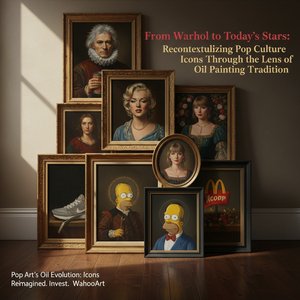
One of the most fascinating developments in the contemporary appreciation of Pop Art is the "remixing" of art history itself. The movement’s DNA is so potent that it can be grafted onto the most venerable masterpieces, creating a dialogue between the old and the new. Imagine the delicate, ethereal grace of Botticelli’s The Birth of Venus reimagined through a Pop Art lens—where the soft Renaissance tones are replaced by a bold, vibrant color palette and repetitive, graphic motifs. This fusion does not diminish the original; rather, it breathes new life into classical beauty, making it accessible and striking for a modern audience.
Bringing the Pop Movement Home: Curating Pop Art for Contemporary Interiors
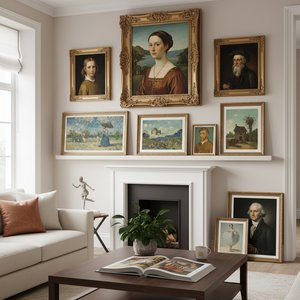
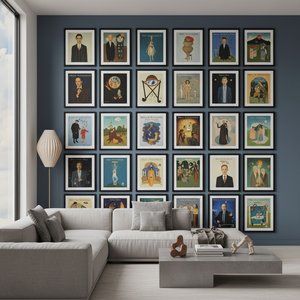
Integrating Pop Art into a modern living space is an exercise in confidence and curation. Because of its inherent boldness, Pop Art serves as a powerful focal point, capable of anchoring an entire room. For the contemporary collector, the challenge lies in balancing these high-impact pieces with the rest of the interior design. A large-scale, multi-panel Pop Art installation can transform a wide wall or a grand staircase into a dynamic architectural feature, while smaller, vibrant prints can add unexpected pops of energy to a minimalist study or a sleek, modern kitchen.
When selecting pieces, consider the interplay of color and texture. The flat, graphic nature of traditional Pop Art can be beautifully contrasted with more tactile elements in a room, such as heavy fabrics or natural wood. For those seeking a truly bespoke experience, the ability to customize art—perhaps by requesting a personal photograph to be reimagined in a vibrant, pop-inspired style—allows for a deeply personalized connection to the movement. Ultimately, curating Pop Art is about celebrating life’s vibrancy; it is about surrounding oneself with imagery that is not only visually stunning but also serves as a spirited reminder of the colorful, interconnected world we inhabit.
At OriginalUniqueArt.com, we specialize in bringing this vibrant energy to your walls. From meticulously handcrafted oil reproductions that capture every bold brushstroke to high-quality Giclée prints designed for longevity, our mission is to make the world's most iconic styles accessible to everyone. Whether you are looking to commission a custom masterpiece or find a perfect print to complete your collection, we provide the expertise and quality to ensure your passion for art is reflected in every piece you acquire.