Introduction: Art as a Declaration of Power
"No taxation without representation" is a political slogan that originated in the American Revolution, and which expressed one of the primary grievances of the American colonists for Great Britain. In short, many colonists believed that as they were ...
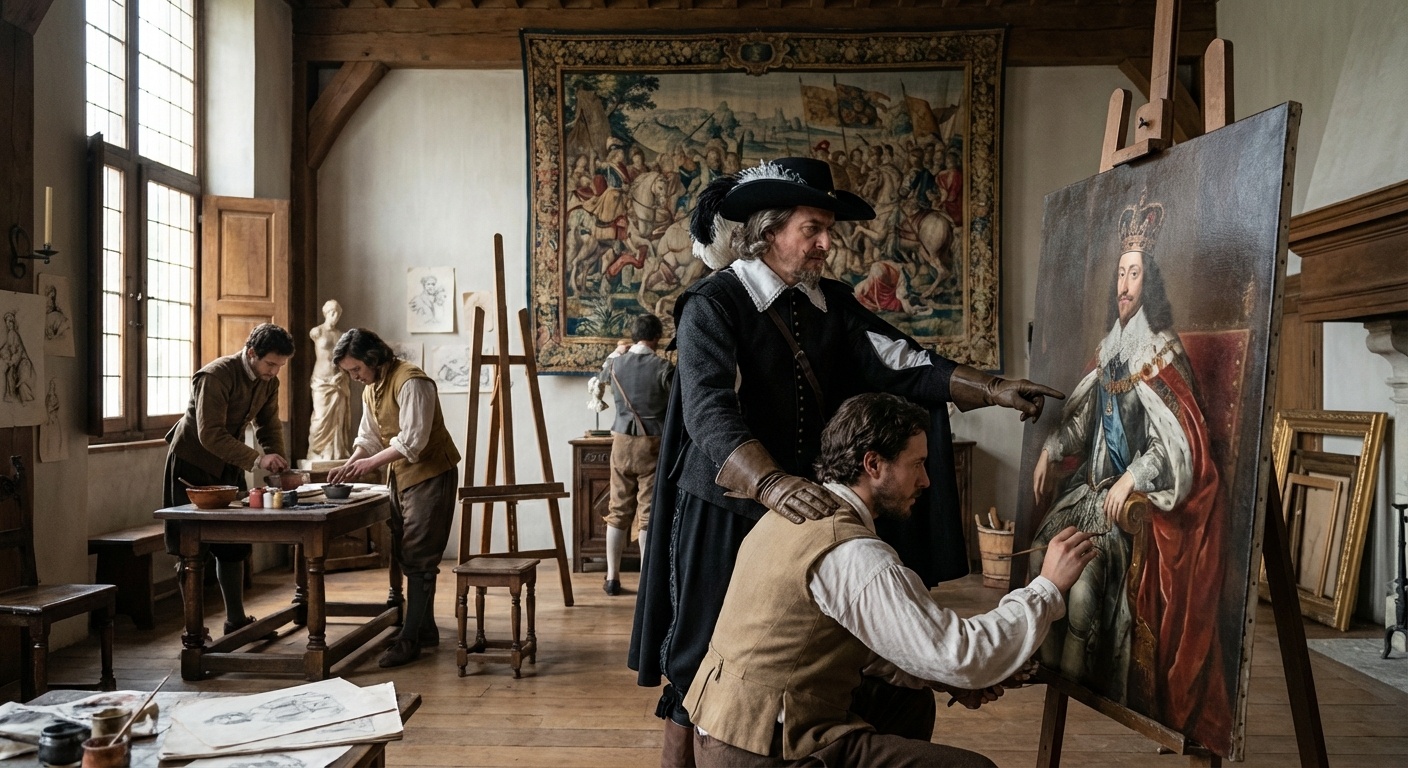
From the earliest cave paintings depicting successful hunts to grandiose portraits commissioned by emperors, art has always been inextricably linked with power – its assertion, its maintenance, and even its subversion. More than mere aesthetic objects, artworks function as visual declarations, embodying societal hierarchies, individual ambition, and ideological control. The very act of commissioning a work, the choice of materials, the scale of the piece, and the subject matter itself all speak volumes about the patron’s status and influence. To understand art history is to understand the complex interplay between creativity and authority, a relationship that has shaped civilizations for millennia.
Ancient Roots: Depicting Authority in Early Civilizations
The impulse to visually represent power finds its earliest expression in ancient cultures. Consider the monumental sculptures of pharaohs in Egypt – imposing figures crafted from durable stone, designed not only to honor the ruler but also to project an image of divine authority and eternal strength. These weren’t simply likenesses; they were embodiments of kingship, intended to inspire awe and obedience. Similarly, the terracotta army of Emperor Qin Shi Huangdi, a vast assemblage of life-sized warriors discovered in China, served as both a funerary guard and a potent symbol of his absolute control. The sheer scale of this undertaking – requiring immense resources and manpower – was a demonstration of power in itself. The standardization of features across the thousands of figures, while allowing for some individualization, also emphasized the emperor’s ability to command uniformity and discipline within his vast empire. These early examples reveal a common thread: the use of scale, permanence, and meticulous detail to convey an unshakeable sense of authority.
The Aristocratic Portrait: Status, Lineage, and Representation (16th-18th Centuries)
Social stratification refers to a society's categorization of its people into groups based on socioeconomic factors like wealth, income, race, education, ethnicity, gender, occupation, social status, or derived power (social and political). It is a h...
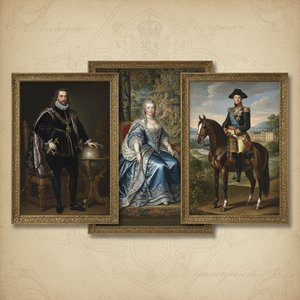
As societies evolved, so too did the methods of visual power projection. The aristocratic portrait emerged as a dominant genre during the Renaissance and Baroque periods, becoming an essential tool for establishing and reinforcing social status. Artists like Anton Raphael Mengs, in his 1750 *Portrait of Domenico Annibaldi*, masterfully captured not just physical likeness but also the sitter’s refinement, education, and wealth through meticulous detail – rich fabrics, elegant poses, and carefully chosen settings. These portraits weren't simply about individual recognition; they were statements of lineage, taste, and political affiliation. Francisco Goya’s 1795 portrait of Francisco Bayeu similarly conveys dignity and artistic prowess, reflecting the sitter’s position within the Spanish court. The inclusion of specific objects – books, instruments, or symbols of office – further underscored their intellectual and social standing. Michael Dahl's stunning depiction of Lady Mary Booth, Countess of Stamford (1736), exemplifies this trend; her elaborate gown and regal bearing communicate a clear message of aristocratic privilege. The gaze itself became a powerful tool—a direct connection with the viewer that demanded respect and recognition.
Challenging the Gaze: Art as Resistance to Oppression
However, art has not always served the interests of those in power. Throughout history, artists have also used their craft to challenge established hierarchies and protest injustice. While overt displays of resistance were often suppressed, subtle forms of critique could be embedded within seemingly conventional works. The very act of depicting marginalized communities or questioning dominant narratives was a form of defiance. The emergence of social realism in the 19th and 20th centuries saw artists directly addressing issues of poverty, inequality, and political oppression. Artists began to use their work as a platform for social commentary, exposing the harsh realities often hidden from public view.
Modern Manifestations: Power, Propaganda, and Artistic Subversion (20th & 21st Centuries)
The 20th and 21st centuries witnessed an explosion of artistic experimentation and a heightened awareness of power structures. Propaganda became a potent force during both World Wars, with governments utilizing art to mobilize public opinion and demonize enemies. Artists responded in various ways – some actively supporting the war effort, others offering scathing critiques of its brutality and futility. The rise of abstract expressionism after WWII can be seen as a rejection of traditional forms of representation, reflecting a broader sense of disillusionment and alienation. Contemporary artists continue to grapple with issues of power, identity, and social justice, employing diverse media – from painting and sculpture to performance art and digital installations – to challenge conventional norms and provoke critical dialogue. The use of scale, color, and symbolism remains central, but is often deployed in subversive ways.
Conclusion: The Enduring Legacy of Power in Visual Culture
The relationship between art and power is a dynamic and ever-evolving one. Throughout history, artists have served as both chroniclers and critics of authority, shaping our understanding of the past and challenging us to question the present. Whether celebrating the grandeur of empires or exposing the injustices of society, artworks function as powerful visual statements that continue to resonate across generations. By examining these works with a critical eye – considering not only their aesthetic qualities but also their historical context and underlying symbolism – we gain a deeper appreciation for the complex interplay between creativity, ideology, and the enduring human quest for power. At OriginalUniqueArt.com, we believe in making these masterpieces accessible to all, allowing you to explore this fascinating history firsthand and cultivate your own discerning eye.