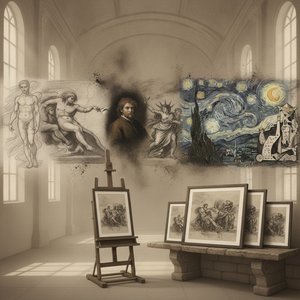
Mastering the Line: A Professional Guide to Drawing Mediums, Techniques, and Artistic Expression
Elevate your artistic practice with our expert guide to drawing mediums and techniques. From graphite to charcoal, master the essential skills of line, shading, and form used by professional fine artists to create enduring masterpieces.
Introduction: The Humble Sketch – A Foundation of Artistic Vision The sketch, often perceived as a preliminary step—a fleeting thought captured on paper before the ‘real’ work begins—holds a far more significant place in the history of art than is co...
Every monumental masterpiece, from the sweeping frescoes of the Renaissance to the textured impasto of a modern oil reproduction, begins with a singular, often trembling, mark upon a void. To the student of art, the line is far more than a boundary; it is the very DNA of visual expression. Before the heavy layers of oil paint or the vibrant explosions of color can define a subject, the line must establish the structural bones of the composition. We often perceive the sketch as merely a preliminary step—a fleeting thought captured on paper before the "real" work begins—yet history teaches us that the sketch is a vital form of artistic exploration and a direct conduit to the artist's mind.
In the hands of masters like Leonardo da Vinci, the line served as a tool of scientific inquiry, mapping the mathematical order of the human anatomy with unparalleled precision. These early marks were not just preparations for painting; they were investigations into the mechanics of life itself. When we look at the raw, expressive sketching found in works such as those by Shubhankar Chandere, we see how dynamic lines can capture movement and emotion even before a single drop of pigment is applied. For the aspiring artist, mastering this foundational stage means learning to use the line to convey dimension, movement, and mood, providing the essential blueprint upon which all subsequent layers of light and shadow will be built.
A Survey of Drawing Mediums: From Graphite and Charcoal to Ink and Silverpoint
Drawing is a visual art that uses an instrument to mark paper or another two-dimensional surface, or a digital representation of such. Traditionally, the instruments used to create a drawing include pencils, crayons, and ink pens, sometimes in combin...
The choice of medium is the first critical decision an artist makes, as each tool carries its own unique vocabulary and emotional weight. The versatility of drawing lies in this vast spectrum of materials, ranging from the dry, tactile grit of charcoal to the fluid, decisive stroke of a quill or ink pen. Graphite remains a staple for the student due to its precision and ability to transition from light, ethereal whispers to deep, dark accents. It allows for a controlled exploration of detail, making it ideal for anatomical studies or intricate architectural renderings.
In contrast, charcoal offers a more primal and atmospheric experience. Its ability to be smudative and blended allows for the creation of soft, smoky transitions that are essential for capturing the depth of shadows. We see this raw energy in the works of artists like Nicholas Roerich, where a hesitant hand and varying pressure create a sense of profound spiritual weight. For those seeking even greater precision, historical mediums like silverpoint offer a delicate, permanent line that demands absolute confidence, while modern tools such as markers, pastels, and even digital styluses expand the artist's reach into new textures and dimensions. Each medium requires a different physical relationship with the surface, and understanding these nuances is key to selecting the right voice for your visual narrative.
Technical Mastery: Exploring Shading, Hatching, and the Creation of Depth
Michelle Cioccoloni: A World Rendered in Monochrome London-based artist Michelle Cioccoloni has carved a distinctive niche within contemporary art, captivating audiences with her meticulously rendered monochrome ink drawings. Her work isn’t merely ob...
If the line provides the structure, then shading and tonal variation provide the soul. A drawing without value is merely a map; it is through the manipulation of light and dark that an artist breathes life into a two-dimensional plane, creating the illusion of three-dimensional volume. This process of "shading" is where the artist learns to sculpt with light. Techniques such as hatching—the use of closely spaced parallel lines—and cross-hatching allow for the gradual buildup of tone, providing a rhythmic texture that can suggest everything from the smoothness of skin to the roughness of stone.
Advanced mastery involves understanding how pressure and density affect the eye's perception of depth. By varying the intensity of a stroke, an artist can create "lost and found" edges, where parts of a form emerge from the shadows only to be swallowed by them once more. This is particularly evident in monochrome ink drawings, such as those by Michelle Ciocultoni, where the absence of color forces a heightened awareness of tone and texture. The goal is to use value to guide the viewer's eye through the composition, using high contrast to highlight focal points and softer, blended tones to recede into the background, thereby constructing an illusionistic space that feels both tangible and profound.
The Evolution of Technique: Comparing Classical Draughtsmanship to Modern Digital Methods
Introduction Before the heavy layers of oil paint or the high-impact saturation of digital media, there was only the raw, unadulterated power of a single line. A drawing is more than just a sketch; it is the DNA of visual expression, capturing the ve...
The history of drawing is a journey from necessity to pure expression. Before the advent of photography, sketching was an essential tool for recording observations and mastering anatomy with accuracy. The classical tradition, rooted in academic excellence, emphasized direct observation and the meticulous rendering of form. This era produced works that were often preparatory, intended to serve as the groundwork for larger-scale oil paintings or frescoes. Today, while we still rely on these fundamental principles, the landscape has shifted toward a more diverse array of methodologies.
Modernity has introduced digital interfaces—styluses, tablets, and virtual reality software—that allow for an unprecedented level of experimentation. Digital drawing offers the ability to undo, layer, and manipulate lines with a fluidity that was impossible for the masters of the past. However, even in this high-tech era, the core principles of classical draughtsmanship remain unchanged. Whether one is using a piece of vine charcoal or a digital brush, the requirement for an understanding of composition, light, and proportion remains the same. The true evolution lies not in the replacement of old methods, but in the expansion of the artist's toolkit, allowing for a seamless transition between the tactile exploration of traditional media and the infinite possibilities of the digital realm.
From Observation to Execution: Integrating Drawing Skills into Large-Scale Oil Painting
Introduction To step into the presence of a masterwork on paper is to witness the very first breath of genius. Before the heavy layers of oil paint or the sweeping expanses of fresco, there was only the raw, intimate dialogue between an artist’s hand...
For the professional artist or the serious student, drawing is never an isolated act; it is the preparatory stage for the grander execution of painting. The transition from a small-scale sketch to a large-scale oil reproduction requires a deep understanding of how line translates into brushstroke. In the creation of our handmade oil paintings at OriginalUniqueArt.com, we see this integration daily. Our artists use the structural foundations established in their drawings to build layers of pigment on 100% cotton canvas, ensuring that the initial "blueprint" is honored through every subsequent layer of color and texture.
This integration is most visible in the technique of impasto, where the artist uses thick, visible brushstrokes to mimic the energy of a sketch while adding physical depth. When we offer services to "remix" art history—such as transforming a modern photo into the light-drenched style of Monet—we are essentially applying the principles of classical drawing to a new subject. The ability to translate a single line into a sweeping, textured stroke is what separates a mere print from a true masterpiece. Ultimately, whether one is working on a small study or a massive architectural mural, the mastery of the line remains the indispensable precursor to the mastery of the canvas.
Journey through history with 10 legendary charcoal masterpieces. Explore the dramatic techniques and emotive power of iconic monochrome art. Find museum-quality reproductions and curated decor inspiration for your space. Discover all masterpieces on OriginalUniqueArt.com.
Elevate your artistic practice with this expert guide to mastering the line. Discover advanced techniques in graphite, charcoal, and contour drawing designed for art students seeking technical precision and expressive depth in their fine art studies.
Explore the profound history and technical mastery of charcoal art. From prehistoric origins to Renaissance chiaroscuro, learn the essential additive and subtractive techniques used by masters to capture light, shadow, and raw emotional depth in monochrome fine art.
Discover the profound beauty of charcoal art. From prehistoric origins to Renaissance chiaroscuro, explore the elemental power of light and shadow through an expert guide for the discerning art collector.
Discover professional techniques for mastering charcoal texture and depth. An expert guide for hotel designers and procurement managers looking to integrate high-impact monochrome art into large-scale hospitality projects with precision and scale.

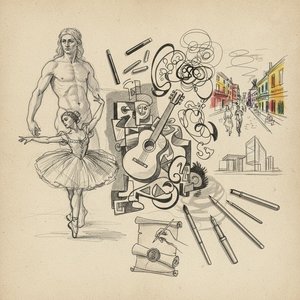 The Eloquent Line: Exploring the Artistic Significance of Sketches Across Movements and Media
 Drawing
 michelle cioccoloni
 10 Legendary Drawings That Changed Art History Forever
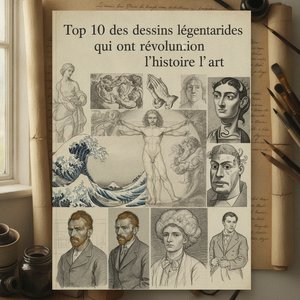 10 Iconic Drawings That Revolutionized the World of Art