American Realism · 1878
The Pumpkin Patch (Winslow Homer, 1878)
Winslow Homer (1836–1910) vytvořil dílo The Pumpkin Patch. Pochází z roku 1878. Patří k hnutí American Realism. Je vyrobeno z Akvarel.
- 1878
- Akvarel

 Náhled v interiéru

 Ručně malovaná olejná reprodukce
 Sdílet
 Sdílet
 Informační list


 Stáhnout
 Podobné položky
 Rentgenové snímky
 Slideshow
 Otázky a odpovědi

 Statistiky
The Pumpkin Patch v kostce
- Název díla
- The Pumpkin Patch
- Autor
- Winslow Homer (1836–1910)
- Rok narození umělce
- Boston, Spojené státy americké
- Datum vytvoření
- 1878
- Technika
- Akvarel
- Pohyb
- American Realism
- Období
- – 19. století
Co przedstawuje dílo The Pumpkin Patch?
A Moment Frozen in Time: The Significance of Winslow Homer’s “The Pumpkin Patch”
Winslow Homer's "The Pumpkin Patch," painted in 1878, isn’t merely a depiction of autumnal labor; it’s a poignant snapshot of rural America at the cusp of profound change. This watercolor masterpiece, currently residing within the Canajoharie Library and Art Gallery, invites us into a scene brimming with quiet industry, community spirit, and a subtle undercurrent of nostalgia for a disappearing way of life. Homer, a master of capturing the essence of everyday American experience, skillfully employs his signature technique—a delicate balance between observation and expressive brushwork—to create an atmosphere both warm and deeply resonant.
The painting immediately draws the eye to the group of figures engaged in the harvest – men and women working together with a shared purpose. Their postures, rendered with remarkable sensitivity, suggest not just physical exertion but also a sense of camaraderie and mutual respect. Homer’s use of earthy tones—russets, ochres, and deep greens—dominates the palette, mirroring the landscape itself and grounding the scene in the tangible realities of rural life. The soft, diffused light, characteristic of his watercolor style, lends an almost dreamlike quality to the composition, softening the edges and creating a sense of intimacy.
The Artist’s Approach: Watercolor as a Vehicle for Emotion
Homer's choice of watercolor is crucial to understanding the painting’s impact. Unlike the bolder strokes of oil paint, watercolor allows for a remarkable degree of transparency and luminosity. This technique perfectly suits Homer’s aim—to capture not just the appearance of the scene but also its emotional atmosphere. The subtle gradations of color, achieved through layering washes and delicate brushstrokes, evoke a sense of warmth and comfort, while simultaneously hinting at the hard work involved in the harvest.
Furthermore, Homer’s meticulous attention to detail—the individual pumpkins scattered across the field, the worn clothing of the workers, the subtle expressions on their faces—adds layers of complexity to the scene. He doesn't shy away from depicting the realities of rural labor, yet he does so with a remarkable degree of empathy and respect for his subjects.
A Window into 19th-Century America
"The Pumpkin Patch" offers a valuable glimpse into American life during the late 19th century. It reflects a period of rapid industrialization and urbanization, which were fundamentally altering the social fabric of the nation. The painting celebrates the enduring values of community, hard work, and self-sufficiency—qualities that were increasingly threatened by these changes. The scene speaks to a time when agriculture remained central to American identity, and families relied on each other for support and sustenance.
Beyond its immediate depiction of rural labor, the painting also carries symbolic weight. The abundance of pumpkins – a symbol of harvest, prosperity, and gratitude – suggests a celebration of the bounty of the land. The collective effort of the workers underscores the importance of community and shared responsibility. It’s a quiet testament to the dignity of honest work and the beauty of simple living.
Bringing Homer's Vision Home: High-Quality Reproductions
OriginalUniqueArt offers meticulously crafted, handmade oil paintings reproductions of “The Pumpkin Patch,” allowing art lovers to experience the artistry and emotional depth of this iconic American painting in their own homes. Our skilled artists utilize only the finest materials—traditional oils on canvas—to faithfully recreate every detail of Homer’s original work. We strive to preserve not just the visual appearance but also the spirit and atmosphere of the painting, ensuring that it remains a timeless treasure for generations to come.
Explore the full beauty of “The Pumpkin Patch” – and discover other exceptional reproductions by Winslow Homer – at OriginalUniqueArt.com. Let this evocative image transport you back to a simpler time, reminding us of the enduring values that shaped American culture.
Vysokorozlišené fotografie díla The Pumpkin Patch

Winslow Homer, The Pumpkin Patch (1878). Veřejná doména
Odpovědi na otázky k dílu The Pumpkin Patch
V jakém roce vzniklo dílo „The Pumpkin Patch“ od Winslow Homer?
Dílo "The Pumpkin Patch" pochází z roku 1878. Toto datum situuje dílo do období tvůrčí činnosti Winslow Homer i do jeho dobové kontextu.
Jakou technikou je vytvořeno dílo "The Pumpkin Patch"?
„The Pumpkin Patch“ je dílo vytvořené v technice Akvarel.
Je dílo „The Pumpkin Patch“ volné z autorských práv?
Co se týče autorských práv, dílo "The Pumpkin Patch" spadá do v rámci volného užití – autorská práva vypršela.
K kterému umělci je dílo "The Pumpkin Patch" připisováno?
Dílo "The Pumpkin Patch" se připisuje autorovi Winslow Homer.
K kterému uměleckému směru patří „The Pumpkin Patch“ od Winslow Homer?
Umělecký směr, ke kterému patří dílo „The Pumpkin Patch“ od Winslow Homer, je American Realism. Tato klasifikace toto dílo umísťuje mezi související umělce a další umělecká díla.
Do jaké fáze tvůrčího rozvoje Winslow Homer patří dílo „The Pumpkin Patch“?
„The Pumpkin Patch“ představuje období Mature Period umělce Winslow Homer.
Kolik let bylo Winslow Homer, když v roce 1878 vytvořil(a) dílo „The Pumpkin Patch“?
Winslow Homer bylo 42 let, když v roce 1878 vytvořilo dílo „The Pumpkin Patch“. Věk je vypočítán z roku narození umělce, 1836.
Patří dílo „The Pumpkin Patch“ od Winslow Homer do volného užití, a proč?
Autorskoprávní status díla „The Pumpkin Patch“ – v rámci volného užití – autorská práva vypršela – vyplývá ze smrti umělce v roce 1910.
O umělci, Winslow Homer
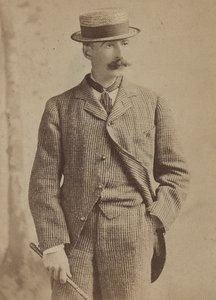
1836–1910, Spojené státy americké
Winslow Homer
The Life and Origins of Winslow Homer Winslow Homer arrived in Boston, Massachusetts, on February 24, 1836. He was the second of three sons born to Charles Savage Homer and Henrietta Maria Benson. His father, a merchant, eventually left the family to seek a fortune in the California gold rush. This departure left the household to be shaped by the presence of his mother, Henrietta Maria Benson Homer.
Také od autora Winslow Homer
 Mlžný poplach1885
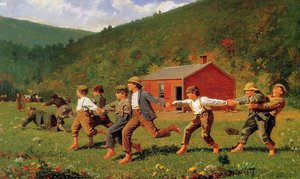 Roztrhni provaz1872
 Loďky rybářské, Key West1903
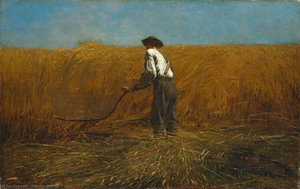 Veterán v novém poli1865

Eseje k tématu The Pumpkin Patch
 American artworks of the 1890s1890s American art by Mary Cassatt, Winslow Homer, and William Merritt Chase. Find museum-quality reproductions on OriginalUniqueArt.com.
 American artworks of the 1870sIconic 1870s American works by Whistler, Eakins, and Homer. Explore museum-quality reproductions on OriginalUniqueArt.com.
 Winslow Homer: 25 mistrovských děl amerického realismu | OriginalUniqueArt.comProzkoumejte 25 ikonických děl Winslow Homera – mistra amerického realismu. Obdivujte jeho mořské scény, akvarely a olejomalby plné emocí. …