
 Zobrazit v interiéru
 Odeslat
 Sdílet
 Podrobnosti
 Průvodce

 Stáhnout obrázek
 Podobné kousky
 Rentgenové snímky
 Slideshow
 Statistiky
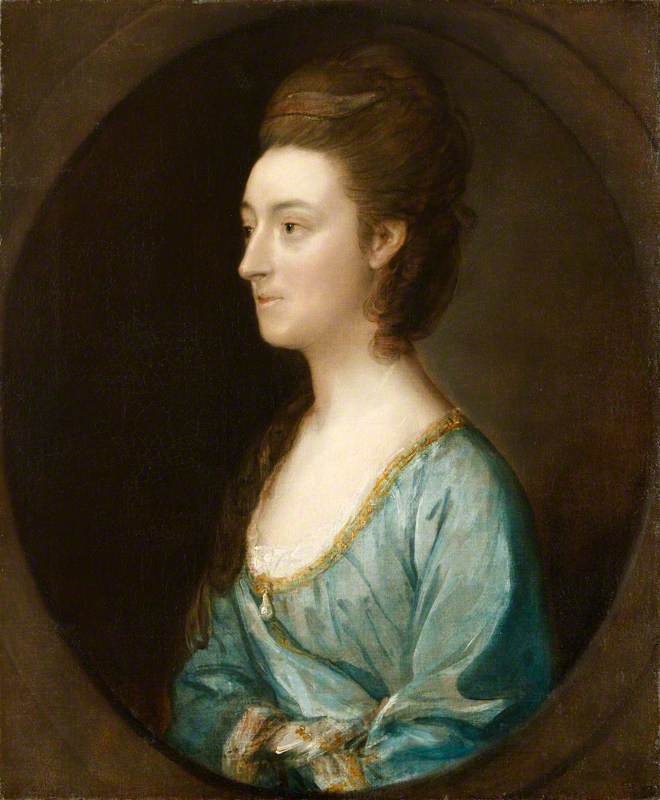
Letitia Leigh (1746–1838), Mrs Townley Balfour
 Acrylic On Canvas
- WallArt
- Romantic Landscape Painting
 1771
1771 76.0 x 63.0 cm
 National Trust
 Přečíst si více
Ručně malovaná olejová reprodukce
Ručně malované olejné plátno v libovolném rozměru i s rámem, vyrobené našimi umělci na zakázku. ( Přepnout na tiskové verze Přepnout na digitální verzi obrazu)




P118B Kč10

P118H Kč10

P118W Kč10

P438Z Kč10

P508JH Kč12

P508YH Kč12

P805H Kč10

P805Z Kč10

P919BZ Kč10

P919G Kč10

P919XJ Kč10

P959ZH Kč10

P968JZ Kč12

W106C Kč8

W218G Kč10

W218JH Kč8

W218Y Kč10

W307PJ Kč10

W316G Kč10

W316PJ Kč8

W316Y Kč10

W398PJ Kč8

W4111J Kč10

W500HY Kč15

W500JH Kč15

W692G Kč12

W849H Kč8

W940BG Kč15

W953PJ Kč8




Vyberte si z našich přednastavených velikostí, které odpovídají původním proporcím díla.

Zadejte šířku a výšku, které potřebujete pro váš rám nebo stěnu. Protože se jedná o ruční malbu, při výběru jiného formátu může umělec kolem obrazu domalovat o něco více, nebo jej mírně oříznout — rozhodnete si vy. Před zahájením malby vám zašleme digitální náhled ke schválení. Obraz zobrazený na této stránce neodpovídá skutečnému výsledku — pouze digitální náhled jej zobrazuje.
Po přijetí objednávky vám tým OriginalUniqueArt.com zašle e-mail s pokyny a poskytne náhledovou verzi.
Celosvětová doprava () za 3–4 týdny namísto standardních 5 týdnů. (21 říjen). Bez kompromisů v kvalitě.

Zdarma celosvětová expresní doprava

Vysoce kvalitní lněné plátno

Úplné pojištění přepravy

Záruka vrácení celního poplatku

Záruka věrného barevného shodu

100dení lhůta pro vrácení zboží (pouze při vadách výroby)

100% garance vrácení peněz

Sleva při více objednávkách
 Skleněná varianta je dostupná pouze u rozměrů menších než 110 cm

Letitia Leigh (1746–1838), Mrs Townley Balfour
Technika provedení
Velikost reprodukce
-


Celková cena
Kč 6376
Thomas Gainsborough: A Vision of Suffolk’s Soul
The name Thomas Gainsborough conjures images of sunlit meadows, dignified portraits, and an understated elegance that defines the golden age of British art. Born in 1727 in Sudbury, Suffolk – a town he would revisit repeatedly throughout his life – Gainsborough wasn't merely painting landscapes; he was distilling the very essence of his surroundings into canvases imbued with profound beauty and psychological depth.
- Early Influences: Gainsborough’s artistic journey began before formal training, nurtured by a father who recognized his son’s exceptional talent for drawing from childhood. These early explorations focused on capturing the subtleties of Suffolk's rural scenery – the dappled light filtering through ancient oaks, the quiet contemplation of shepherds tending their flocks.
- The Landscape School: Gainsborough is credited alongside Richard Wilson as establishing the British landscape school, a revolutionary movement that prioritized atmospheric perspective and tonal gradation to convey mood and emotion rather than simply depicting topographical accuracy. His canvases aren’t mere representations of places; they are invitations into contemplative spaces where nature speaks volumes about human experience.
Consider “Gainsborough's Forest” (Cornard Wood), completed in 1746. This masterpiece exemplifies Gainsborough’s technique – a rapid, confident brushstroke combined with a luminous palette—to create an immersive panorama of Cornard Wood. The artist skillfully employs tonal shading to sculpt the contours of the trees and undergrowth, capturing the ethereal quality of twilight and conveying a sense of serene solitude.
- Symbolism & Emotion: Beyond its technical brilliance, “Cornard Wood” resonates with symbolic significance. The solitary figure glimpsed in the distance represents humanity’s yearning for connection with the natural world—a theme recurrent throughout Gainsborough's oeuvre.
His portraits, too, possessed a remarkable ability to penetrate beneath surface appearances, revealing character and emotion with uncanny precision. Gainsborough’s subjects weren’t simply rendered physically; they were psychologically explored, capturing their inner lives with sensitivity and insight.
Letitia Leigh (1746–1838), Mrs Townley BalfourPainted in 1771, “Letitia Leigh” exemplifies Gainsborough’s masterful portraiture style. The sitter is depicted in a pose of quiet dignity, bathed in soft light—a hallmark of Gainsborough's approach to capturing the human form. His meticulous attention to detail—the delicate folds of Mrs Townley Balfour’s gown, the subtle expression on her face—demonstrates his unwavering commitment to artistic excellence.
- Composition & Technique: Gainsborough skillfully employs pyramidal composition to create a balanced and harmonious image, guiding the viewer's eye towards the central figure. The use of chiaroscuro – dramatic contrasts between light and shadow – enhances the portrait’s emotional impact, conveying both beauty and melancholy.
Gainsborough’s legacy extends far beyond his individual paintings; he established the Royal Academy in 1769, shaping the future of British art and fostering a tradition of artistic innovation that continues to inspire artists today. His canvases remain treasured symbols of Suffolk's pastoral charm and enduring testament to the transformative power of beauty.
Otázky a odpovědi
V jakém období a v jakém stylu vzniklo dílo „Letitia Leigh (1746–1838), Mrs Townley Balfour“ od Thomas Gainsborough?
Dílo "Letitia Leigh (1746–1838), Mrs Townley Balfour" vzniklo v roce 1771 v rámci směru Romantic Landscape Painting.
Jakou náladu by do prostoru přineslo dílo "Letitia Leigh (1746–1838), Mrs Townley Balfour"?
Dílo „Letitia Leigh (1746–1838), Mrs Townley Balfour“ s svou Elegant atmosférou se doporučuje do Living Room.
Jakou techniku a styl charakterizuje „Letitia Leigh (1746–1838), Mrs Townley Balfour“ od Thomas Gainsborough?
V díle "Letitia Leigh (1746–1838), Mrs Townley Balfour" se setkává technika Acrylic On Canvas sismem Romantic Landscape Painting.
Biografie umělce
A Suffolk Beginning: The Early Life and Artistic Awakening
The story of Thomas Gainsborough, one of Britain’s most celebrated artists, unfolds not within the confines of a grand academy or bustling metropolis, but in the tranquil market town of Sudbury, Suffolk. Born in 1727, the youngest son of John Gainsborough, a weaver and wool merchant, young Thomas displayed an innate artistic sensibility from a remarkably early age. While his siblings pursued more conventional paths, Thomas’s world rapidly became consumed by drawing and painting – miniature self-portraits and delicate landscapes blossoming from his hand even before he reached ten years old. This precocious talent wasn't merely a childhood pastime; it was the burgeoning of a vision that would reshape British art. His father, recognizing this unique gift, encouraged its development, setting young Thomas on a path diverging sharply from the family trade. The Suffolk countryside itself became his first studio, imbuing his later works with a deep and abiding love for the natural world – a characteristic that would distinguish him throughout his career. This early immersion in landscape wasn’t simply about replicating what he saw; it was about *feeling* the essence of the English countryside, an emotional resonance that would permeate his canvases for decades to come.London and the Shaping of a Style: Influences and Early Commissions
In 1740, at the age of thirteen, Gainsborough journeyed to London, embarking on formal artistic training under Hubert Gravelot, a French engraver renowned for his elegant rococo style. This exposure proved pivotal, introducing him to refined techniques and fashionable aesthetics. However, it was his association with William Hogarth and the St Martin’s Lane Academy that truly began to mold his artistic identity. Initially influenced by Hogarth's narrative approach – his satirical depictions of London life – Gainsborough soon charted his own course, developing a distinctive style characterized by its lightness of touch, fluid brushwork, and subtle color palettes. He absorbed lessons from various masters, including the Dutch landscape painters whose influence on his early works is evident in their atmospheric perspective and use of light. Returning to Sudbury after marrying Margaret Burr in 1746, Gainsborough established himself as a portrait painter for the local gentry. This period honed his skills in capturing likenesses and character, but it was during his subsequent move to Ipswich, and later Bath, that he began attracting a more sophisticated clientele – individuals who appreciated not just accurate representation, but also artistic flair and emotional depth.Bath and Beyond: Portraiture, Landscape, and Royal Patronage
The years spent in Bath (1759-1774) marked a significant turning point in Gainsborough’s career. The city was a hub of fashionable society, providing him with ample opportunities to paint portraits of the wealthy and influential. He quickly gained renown for his ability to capture not only physical resemblance but also the personality and social standing of his sitters. His portraits weren't merely depictions; they were statements about identity and status. He experimented with new techniques, incorporating elements of chiaroscuro – dramatic contrasts between light and dark – to create a sense of depth and drama. However, even amidst the demands of portraiture, Gainsborough never abandoned his passion for landscape painting. In fact, he often seamlessly integrated landscapes into his portraits, creating compositions that celebrated both human subjects and the beauty of the natural world. This innovative approach – a hallmark of his style – set him apart from many of his contemporaries. The culmination of his success came with his move to London in 1774, where he established a studio on Pall Mall and became a founding member of the Royal Academy. He also secured royal patronage, becoming a favorite painter of King George III and Queen Charlotte, further solidifying his position as one of Britain’s leading artists. *Mrs. Thomas Gainsborough*, painted in 1785, exemplifies this period – an elegant portrait showcasing rococo style and muted tones.A Legacy of Innovation: Enduring Appeal and Influence
Thomas Gainsborough died in 1788, leaving behind a body of work that continues to captivate audiences today. His influence on subsequent generations of British artists is undeniable. He liberated portraiture from rigid formality, infusing it with spontaneity and emotional resonance. His loose brushwork and atmospheric effects paved the way for the Impressionists, while his lyrical landscapes inspired artists like John Constable, who deeply admired Gainsborough’s ability to capture the spirit of the English countryside. Gainsborough's legacy extends beyond technique; it lies in his profound understanding of human character and his unwavering commitment to artistic expression. He wasn’t simply a painter of portraits or landscapes; he was a storyteller, a poet of light and color, and a visionary who transformed British art. His paintings are a testament to the power of observation, imagination, and the enduring allure of the English landscape.Exploring Gainsborough's World Today
Fortunately, the opportunity to experience Gainsborough’s genius firsthand remains readily available. Gainsborough’s House, in his birthplace of Sudbury, stands as a testament to his life and work, offering visitors an intimate glimpse into his early influences and artistic development. Christchurch Mansion in Ipswich houses a significant collection of Gainsborough paintings alongside works by Constable and other masters. Numerous museums across the United Kingdom and internationally display his masterpieces, including the National Gallery in London and the Metropolitan Museum of Art in New York. His work continues to be studied, analyzed, and celebrated, ensuring that his artistic vision will endure for generations to come. The enduring appeal of Gainsborough’s art lies not only in its technical brilliance but also in its timeless beauty and emotional depth – qualities that resonate with viewers across centuries.
Thomas Gainsborough
1727 - 1788 , Spojilováno
Rychlé informace
- Artistic Movement Or Style: Rococo, Portrét
- Artists Or Movements Influenced By This Artist: ['Constable']
- Artists Who Influenced This Artist:
- Gravelot
- Hogarth
- Date Of Birth: 1727
- Date Of Death: 1788
- Full Name: Thomas Gainsborough
- Nationality: Britský
- Notable Artworks:
- Mr a paní Andrews
- Modrý chlapec
- Place Of Birth (City And Country): Sudbury, UK
Související články

Romantická krajina v malbě: 10 mistrovských děl, které definovaly umělecký proud | OriginalUniqueArt
Prozkoumejte 10 ikonických děl romantické krajinářské malby! Objevte příběhy Caspara Davida Friedricha, Turnera a dalších mistrů. Reprodukce obrazů nejvyšší kvality pro váš interiér na OriginalUniqueArt.com.
Thomas Hill: Luminosity, Landscape & the American Pastoral Ideal
Explore the luminous landscapes of Thomas Hill, a pivotal figure in the Hudson River School & Luminism movements. Discover his artistic journey, philosophical depth, and enduring legacy with OriginalUniqueArt.

Evocations of Place: A Historical Journey Through Landscape Art
Explore the rich history of landscape art with OriginalUniqueArt. Discover renowned artists, movements like Impressionism & Romanticism, and expert guidance for collecting timeless pieces. Find your perfect serene escape today!

Evocations of Place: A Historical Journey Through Landscape Art
Explore the rich history of landscape art with OriginalUniqueArt. Discover renowned artists, movements like Impressionism & tonalism, and expert guidance for collecting timeless pieces. Find your perfect serene escape today!

John Constable: 25 mistrovských děl krajinářské poezie | OriginalUniqueArt.com
Prozkoumejte 25 ikonických děl Johna Constabla, mistra anglického krajinářství a romantismu. Obdivujte jeho olejomalby, plátna s venkovskou atmosférou a inspirujte se pro dekoraci interiéru. Reprodukce obrazů nejvyšší kvality na OriginalUniqueArt.com


