De Stijl · 1928
Composition with half values (Theo van Doesburg, 1928)
Theo van Doesburg (1883–1931) vytvořil dílo Composition with half values. Pochází z roku 1928. Patří k hnutí De Stijl. Je vyrobeno z Oil On Canvas. Nachází se v Kunstmuseum Basel v Basilej, Švýcarsko. Rozměry jsou 50 × 50 cm.
- 1928
- Oil On Canvas
- 50 × 50 cm
- Kunstmuseum Basel, Basilej

 Náhled v interiéru

 Ručně malovaná olejná reprodukce
 Sdílet
 Sdílet
 Informační list


 Stáhnout
 Podobné položky
 Rentgenové snímky
 Slideshow
 Otázky a odpovědi

 Statistiky
Composition with half values v kostce
- Název díla
- Composition with half values
- Autor
- Theo van Doesburg (1883–1931)
- Rok narození umělce
- Utrecht, Nizozemsko
- Datum vytvoření
- 1928
- Technika
- Oil On Canvas
- Rozměry
- 50 × 50 cm
- Kde jej vidět
- Kunstmuseum Basel, Basilej, Švýcarsko
- Pohyb
- De Stijl
- Období
- Modern
- Motiv
- abstract, geometric, composition, rectangles, primary colors, de stijl
Co przedstawuje dílo Composition with half values?
Composition with Half Values: A De Stijl Masterpiece
Theo van Doesburg's "Composition with half values," created in 1928, stands as a pivotal work within the De Stijl movement. This oil on canvas painting exemplifies the artist’s dedication to geometric abstraction and his exploration of visual harmony through carefully balanced forms and colors. Housed in the Kunstmuseum Basel, Switzerland, this piece is more than just an aesthetic arrangement; it's a testament to a revolutionary artistic philosophy.
The De Stijl Movement and Its Principles
To fully appreciate "Composition with half values," understanding the De Stijl movement is crucial. Founded in 1917 by Piet Mondrian and van Doesburg, De Stijl (meaning “The Style” in Dutch) aimed to create a universal artistic language based on pure abstraction. The movement rejected representational art, believing that it distracted from underlying mathematical principles of harmony and order. Key tenets included:
- Geometric Forms: A preference for straight lines, squares, and rectangles over curves or organic shapes.
- Primary Colors: Limited palette consisting primarily of red, yellow, blue, black, white, and grey.
- Spatial Relationships: Emphasis on the relationships between forms and colors to create a sense of balance and dynamism.
- Rejection of Perspective: A flattening of space, eliminating traditional perspective techniques.
De Stijl artists believed that by reducing art to its essential elements, they could reveal universal truths about the universe and contribute to a more harmonious society.
Analyzing "Composition with Half Values"
The painting itself is a striking example of these principles. It features a grid-like structure dominated by rectangular shapes in muted blues and whites. A large, vibrant blue square disrupts the otherwise orderly arrangement at the top, while a yellow rectangle anchors the composition at the bottom. The interplay between these elements creates a dynamic tension.
The title "Composition with half values" refers to van Doesburg's exploration of visual balance. He sought to create compositions where opposing forces – like color and shape – were in equilibrium, representing a sense of harmony. While Mondrian favored strict right angles, van Doesburg later reintroduced diagonals into his work, as seen here, pushing the boundaries of De Stijl’s established rules.
Symbolism and Emotional Impact
Although abstract, "Composition with half values" evokes a range of emotions. The rigid geometry can convey a sense of order and control, while the contrasting colors introduce an element of surprise and visual excitement. The painting's lack of representational imagery encourages viewers to engage directly with the forms and colors themselves, prompting introspection and contemplation.
Beyond its aesthetic qualities, the artwork symbolizes a search for universal harmony and balance through reduction to fundamental geometric elements. It reflects a broader cultural shift towards abstraction in the early 20th century, as artists sought new ways to express their ideas and challenge traditional artistic conventions. "Composition with half values" remains a powerful testament to the enduring legacy of De Stijl and its profound influence on modern art and design.
Ve kterém muzeu se nachází Composition with half values?
Kunstmuseum Basel
Basilej, Švýcarsko
Původy a historie Kunstmuseum Basel Kořeny historie Kunstmuseum Basel sahají hluboko do minulosti až k převzetí slavného Amerbachova kabinetu. Tato sbírka, která se stala samotným základním kamenem instituce, byla zakoupena městem Basilej a univerzitou v Basileji v roce 1671. Právě rozhodnutí zpřístupnit tato díla široké veřejnosti vybudovalo tento museum jako první veřejnou uměleckou sbírku svého druhu.


Vysokorozlišené fotografie díla Composition with half values
Theo van Doesburg, Composition with half values (1928), Kunstmuseum Basel. Veřejná doména
Odpovědi na otázky k dílu Composition with half values
Které muzeum uchovává originál díla "Composition with half values"?
Dílo „Composition with half values“ od Theo van Doesburg je vystaveno v instituci Kunstmuseum Basel, Basilej, Švýcarsko. Uvedené muzeum se vztahuje k originálu, nikoliv k reprodukcím.
V jakém roce vzniklo dílo "Composition with half values"?
Dílo "Composition with half values" pochází z roku 1928. Toto datum situuje dílo do období tvůrčí činnosti Theo van Doesburg i do jeho dobové kontextu.
Jakou technikou je vytvořeno dílo "Composition with half values"?
Technikou díla „Composition with half values“ od Theo van Doesburg je Oil On Canvas. Reprodukce mají za cíl věrně zachytit vzhled této techniky.
Jaké jsou skutečné rozměry díla „Composition with half values“ od Theo van Doesburg?
Rozměry originálního díla „Composition with half values“ od Theo van Doesburg jsou 50 x 50 cm.
Co zachycuje dílo „Composition with half values“ od Theo van Doesburg?
Motivy díla „Composition with half values“ jsou abstract, geometric, composition, rectangles, primary colors, de stijl, grid, minimalism.
Lze obraz díla „Composition with half values“ od Theo van Doesburg volně reprodukovat?
Dílo „Composition with half values“ od Theo van Doesburg spadá do v rámci volného užití – autorská práva vypršela. Tento stav určuje pravidla pro reprodukci obrazu tohoto díla.
K kterému umělci je dílo "Composition with half values" připisováno?
Dílo "Composition with half values" se připisuje autorovi Theo van Doesburg.
K kterému uměleckému směru patří „Composition with half values“ od Theo van Doesburg?
Umělecký směr, ke kterému patří dílo „Composition with half values“ od Theo van Doesburg, je De Stijl. Tato klasifikace toto dílo umísťuje mezi související umělce a další umělecká díla.
Do které období tvorby Theo van Doesburg patří dílo „Composition with half values“?
V rámci kariéry umělce Theo van Doesburg spadá dílo „Composition with half values“ do období Mature Period. Tato fáze umožňuje jeho srovnání s dalšími díly tohoto umělce.
O umělci, Theo van Doesburg

1883–1931, Nizozemsko
Theo van Doesburg
The Architect of Abstraction: A Life in Geometric Harmony Theo van Doesburg, born Christian Emil Marie Küpper in 1883 in Utrecht, Netherlands, wasn’t merely a painter; he was a revolutionary force who fundamentally reshaped the very foundations of modern art. His journey began amidst the lingering echoes of Impressionism and Post-Impressionism, initially mirroring styles reminiscent of Vincent van Gogh – both in subject matter and emotional intensity. However, this early phase served as a crucial prelude, a necessary stepping stone toward the radical transformation that would define his enduring legacy. A pivotal moment arrived in 1913 with his encounter with Wassily Kandinsky’s *Rückblicke*.
O umělci Theo van Doesburg Významná díla umělce Theo van Doesburg
Také od autora Theo van Doesburg
 Counter composition XV1925
 Rhythm of a Russian Dance
 Troelstra1910
 Study for Composition VIII (The Cow)1918
Eseje k tématu Composition with half values
 Geometry with Purpose: Distinguishing Suprematism from ConstructivismMaster the differences between Suprematism and Constructivism with our expert guide. Discover the soul of the Russian avant-garde now.
 De Stijl and Bauhaus: Distinguishing Two Pillars of Modern DesignMaster the distinctions between De Stijl and Bauhaus design. Explore the history of these modern pillars now.
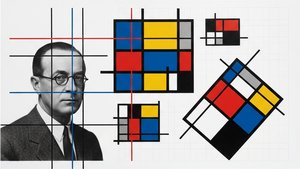 Theo van Doesburg: Pioneering De Stijl & the Evolution of Neo-PlasticismExplore the revolutionary De Stijl movement & Neo-Plasticism with our expert guide. Discover Piet Mondrian, Theo van Doesburg, and the last…