Nihonga · 1900
Pine (Taki Katei, 1900)
Taki Katei (1830–1901) vytvořil dílo Pine. Pochází z roku 1900. Patří k hnutí Nihonga. Je vyrobeno z Ink. Nachází se v Indianapolis Museum of Art v Indianapolis, Spojené státy americké.
- 1900
- Ink
- Indianapolis Museum of Art

 Náhled v interiéru

 Ručně malovaná olejná reprodukce
 Sdílet
 Sdílet
 Informační list pro studenty


 Stáhnout
 Podobné položky
 Rentgenové snímky
 Slideshow
 Otázky a odpovědi

 Statistiky
Pine v kostce
- Název díla
- Pine
- Autor
- Taki Katei (1830–1901)
- Rok narození umělce
- Tokio, Japonsko
- Datum vytvoření
- 1900
- Technika
- Ink
- Kde jej vidět
- Indianapolis Museum of Art, Indianapolis, Spojené státy americké
- Pohyb
- Nihonga
- Období
- 19th Century
- Motiv
- pine tree, birds, branches, nature, trees
Co przedstawuje dílo Pine?
Identification of the Artwork and Artist
The artwork titled Pine is a painting by the Japanese artist Katei Taki. This specific piece was created about 1900. It exists as a component of a larger set of three paintings known as Plum, Pine Tree, and Bamboo.
Katei Taki produced this work during a period of transition in Japanese art history. The artist's practice involved the use of mineral pigments and organic materials on silk or paper. This particular composition is part of a series that utilizes traditional motifs to establish a visual connection between the three distinct subjects of the set.
Visual Composition and Subject Matter
The composition centers on several pine trees positioned in the foreground. These primary trees occupy a significant portion of the visual field, with their branches and needles rendered in detail. In the background, additional trees are visible, receding into the distance to create a sense of depth within the natural scene. The arrangement of these botanical elements establishes a layered environment of forest vegetation.
Multiple birds are integrated into this landscape. At least five birds appear throughout the work. Some of these avian figures are perched stationary on the branches of the pine trees, while others are captured in mid-air, flying through the space between the trees. The placement of these birds among the branches and the open air creates a sense of movement within the stillness of the trees. The painting focuses on the specific details of these natural forms, documenting the interaction between the birds and their arboreal surroundings.
Materials and Artistic Technique
The work is executed in ink and colours on silk. The artist utilized mineral pigments and organic materials to achieve the specific tones present in the composition. These substances are applied to the silk substrate, a method characteristic of the nihonga style. The application of these pigments allows for a detailed and naturalistic depiction of the pine trees and the birds within the scene.
The technique involves precise linework to define the forms of the birds and the needles of the pine branches. The use of ink provides the structural outlines, while the colored pigments establish the visual presence of the natural elements. This approach relies on the specific properties of the mineral and organic media to render the textures of the subject matter. The composition maintains a focus on the physical details of the flora and fauna through these traditional materials.
Current Location and Museum Collection
The artwork is held at the Indianapolis Museum of Art. This institution is also known as the Indianapolis Museum of Art at Newfields. It is situated in Indianapolis, United States of America.
The museum collection contains 54,000 artworks. This specific piece, titled Pine, is part of the holdings at this site. The museum's permanent collection includes various works from different periods and movements.
Ve kterém muzeu se nachází Pine?
Indianapolis Museum of Art
Indianapolis, Spojené státy americké
Indianapolis Museum of Art: Symfonie umění a přírody Indianapolis Museum of Art, dnes známé jako Newfields, není pouhým sběrem exponátů, ale živoucím organismem, kde se historie snoubí s modernou a umění pulzuje v harmonii s okolní přírodou. Jeho kořeny sahají až do roku 1883, kdy vzniklo jako Art Association of Indianapolis, avšak skutečná metamorfóza nastala postupným rozvojem do impozantního kulturního komplexu, který překračuje hranice tradičních muzeí. Newfields je cestou časem, kulturami a kreativitou – oslavou schopnosti umění inspirovat k zamyšlení a budovat spojení s přírodním světem.


Vysokorozlišené fotografie díla Pine

Taki Katei, Pine (1900).
Taki Katei (1830–1901), Pine, 1900, ink, Indianapolis Museum of Art, Spojené státy americké. Veřejná doména Obrázek: OriginalUniqueArt.com.
Odpovědi na otázky k dílu Pine
Které muzeum uchovává originál díla "Pine"?
Originál díla „Pine“ si můžete prohlédnout v instituci Indianapolis Museum of Art, Indianapolis, Spojené státy americké.
V jakém roce bylo vytvořeno dílo „Pine“ od Taki Katei?
Dílo "Pine" pochází z roku 1900. Toto datum situuje dílo do období tvůrčí činnosti Taki Katei i do jeho dobové kontextu.
V jaké technice je vytvořeno dílo „Pine“ od Taki Katei?
Technikou díla „Pine“ od Taki Katei je Ink. Reprodukce mají za cíl věrně zachytit vzhled této techniky.
Co zachycuje dílo „Pine“ od Taki Katei?
Motivy díla „Pine“ jsou pine tree, birds, branches, nature, trees.
Patří „Pine“ od Taki Katei do volného tisku?
Stav autorských práv pro dílo „Pine“ od Taki Katei: toto dílo spadá do v rámci volného užití – autorská práva vypršela. To určuje, zda lze volně vytvářet reprodukce tohoto obrazu.
K kterému umělci je dílo "Pine" připisováno?
Dílo "Pine" se připisuje autorovi Taki Katei.
K jakému stylu patří „Pine“?
Dílo „Pine“ od Taki Katei patří k období směru Nihonga, který dílu dodává jeho stylistický kontext.
Do které období tvorby Taki Katei patří dílo „Pine“?
V rámci kariéry umělce Taki Katei spadá dílo „Pine“ do období Late Period. Tato fáze umožňuje jeho srovnání s dalšími díly tohoto umělce.
Kolik let bylo Taki Katei, když v roce 1900 vytvořil(a) dílo „Pine“?
Při vzniku díla „Pine“ v roce 1900 bylo umělcům Taki Katei (narozenému/é v 1830) 70 let.
O umělci, Taki Katei

1830–1901, Japonsko
Taki Katei
Raný život a kariéra Taki Katei, významný japonský malíř, přišel na svět 27. ledna 1830, v pozdním období Tokugawa. Jeho působivá kariéra prostupovala dvěma zcela odlišnými érami, což z něj učinilo klíčovou postavu v období přechodu od tradičního k modernímu japonskému umění. Umělecký styl a vlivy Dílo Taki Katei je živým svědkem proměn, které se odehrály v umělecké praxi v době, kdy se japonská společnost transformovala a měnily se i společenské očekávání.
Také od autora Taki Katei
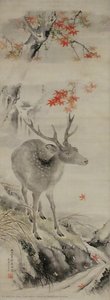 Deer by Mountain Stream1896
 Preparatory sketch
 Flowers and Birds1849
 Design for a fan
Eseje k tématu Pine
 Arboreal Form: The Symbolism and Structural Nuance of Tree Branches in Fine ArtExplore the structural nuance and symbolism of tree branches through masters like Hokusai and Constable. Discover the art of nature now.
 Helen Hyde: Narrative & Symbolism in Contemporary Botanical IllustrationExplore the captivating world of Helen Hyde (1868-1919), a pioneering American artist renowned for her exquisite Japanese woodblock prints …
 Ukiyo-e and Nihonga: Distinguishing Two Major Japanese Art Traditions1880s Nihonga emerged as a response to Western oil painting, contrasting with the mass-produced woodblock prints of Hokusai and Hiroshige.