
 Náhled
 Sdílet
 Sdílet
 Podrobnosti o díle

 Stáhnout
 Podobné položky
 Rentgenové snímky
 Slideshow
Ženeva
 Olej na plátně
- Obrazová tvorba na stěnu
- Impressionism
 1906
1906 29.0 x 45.0 cm
 Grão Vasco National Museum
 Zobrazit více
Ručně malovaná olejová reprodukce
Ručně malovaná olejná barva na plátně ve vašem zvoleném rozměru i s rámem, vyrobená našimi umělci na zakázku. ( Přepnout na tisk Přepnout na obrázek)




P118B $10

P118H $10

P118W $10

P438Z $10

P508JH $12

P508YH $12

P805H $10

P805Z $10

P919BZ $10

P919G $10

P919XJ $10

P959ZH $10

P968JZ $12

W106C $8

W218G $10

W218JH $8

W218Y $10

W307PJ $10

W316G $10

W316PJ $8

W316Y $10

W398PJ $8

W4111J $10

W500HY $15

W500JH $15

W692G $12

W849H $8

W940BG $15

W953PJ $8




Vyberte si z našich přednastavených velikostí, které odpovídají původním proporcím díla.

Můžete zadat vlastní rozměry pro konkrétní rám nebo prostor. Pokud se vámi vybraná velikost neshoduje s proporcemi původního obrazu, dílo buď ořízneme, nebo jej doplníme ručně malovanými prvky. Před zahájením výroby vám bude zaslán digitální náhled ke schválení.
Upozorňujeme, že náhled na obrazovce neodpovídá skutečnému ořezu ani rozšíření. Pouze digitální náhled přesně zobrazí finální kompozici.
Ačkoliv je možné zvolit vlastní velikost, pro zachování původních proporcí doporučujeme vybrat rozměr z předdefinovaného seznamu.
Po přijetí objednávky vám tým OriginalUniqueArt.com zašle e-mail s pokyny a poskytne náhledovou verzi.
Celosvětová doprava () za 3–4 týdny namísto standardních 5 týdnů. (11 srpen). Bez kompromisů v kvalitě.

Zdarma celosvětová expresní doprava

Vysoce kvalitní lněné plátno

Kompletní přepravní pojištění

Záruka vrácení celního poplatku

Záruka přesného barevného shodu

60denní lhůta pro vrácení zboží (pouze při vadách výroby)

100% garance vrácení peněz

Sleva při hromadné objednávce
 Skleněná varianta je dostupná pouze u rozměrů menších než 110 cm

Ženeva
Technika reprodukce
Rozměry reprodukce
-


Celková cena za výběr
$ 300
Popis díla
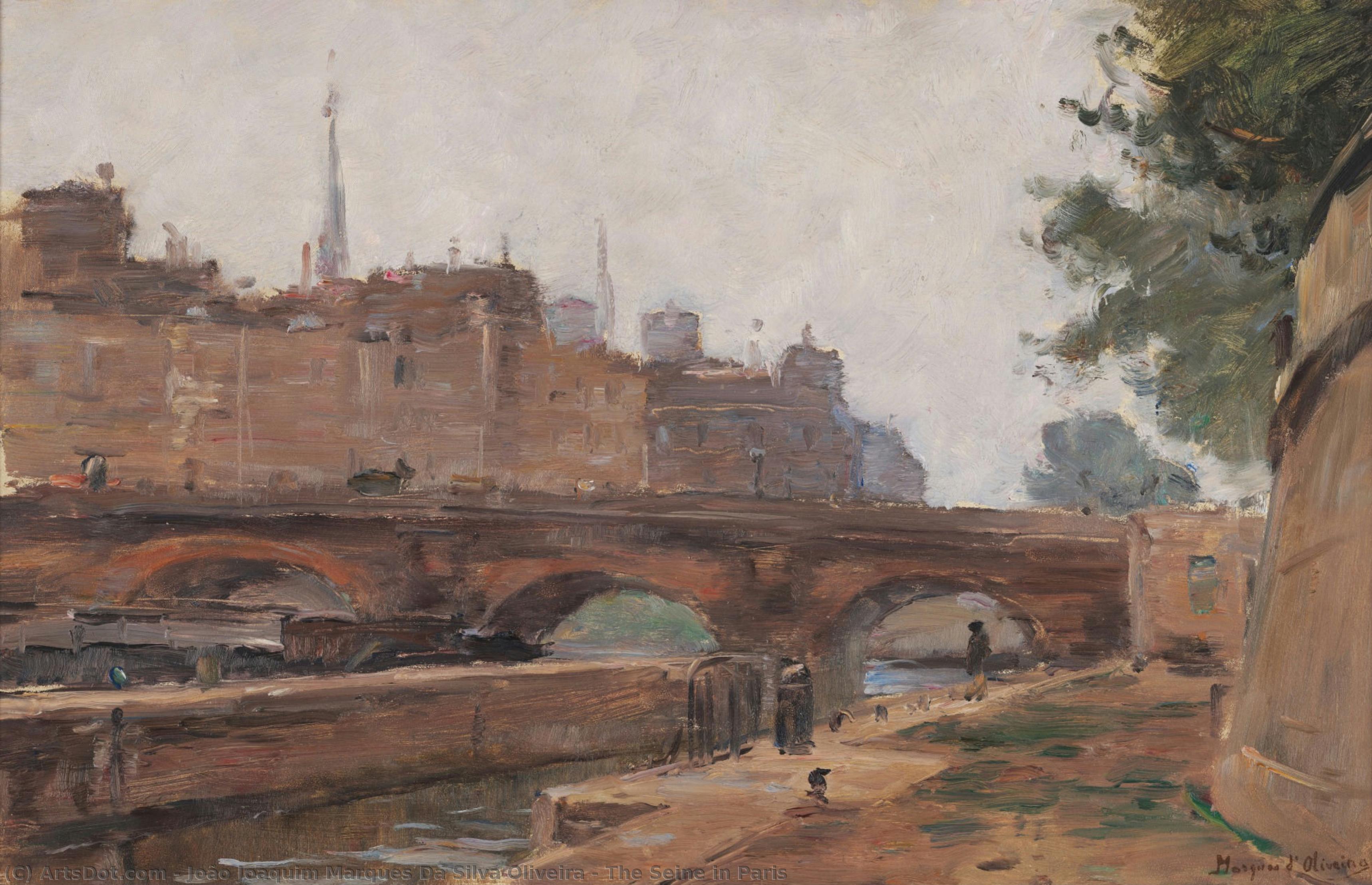
A Moment Frozen in Parisian Dusk: João Joaquim Marques da Silva Oliveira’s “The Seine in Paris”
João Joaquim Marques da Silva Oliveira's "The Seine in Paris," painted in 1906, transcends mere representation; it embodies the spirit of Impressionism and captures a profound sense of nostalgia for a bygone era. Created during a period marked by artistic ferment – namely, the inaugural retrospective exhibition honoring Paul Cézanne – this artwork served as a catalyst for younger artists like Braque and Picasso, propelling them toward the groundbreaking exploration of cubism. Oliveira’s masterful technique—characterized by loose brushstrokes and an emphasis on capturing fleeting atmospheric effects—mirrors the stylistic influences of Corot, whose landscapes instilled in Oliveira a dedication to portraying nature with unwavering fidelity.- Subject Matter: The painting depicts the Seine River flowing through Paris at twilight, illuminated by soft diffused light. A bridge gracefully spans across the water, framing the cityscape and inviting contemplation.
- Style & Technique: Oliveira adheres rigorously to Impressionistic principles, prioritizing the conveyance of sensory experience over precise detail. He employs a palette dominated by muted grey tones—a deliberate choice reflecting the hazy Parisian air—accentuated by delicate rose-colored and golden hues that imbue the scene with an ethereal glow. The brushstrokes are deliberately blended and layered, creating a textured surface that captures the subtle nuances of light and shadow.
- Historical Context: Cézanne’s retrospective profoundly impacted artistic discourse, prompting artists to reconsider traditional approaches to form and perspective. Oliveira's work stands as testament to this transformative moment in art history, embodying the legacy of Cézanne’s pioneering spirit.
- Symbolism & Emotion: The painting evokes a palpable melancholy—a quiet sadness born from an awareness of time passing and the ephemeral beauty of nature. Oliveira skillfully utilizes musical metaphors to describe the visual elements, mirroring the harmonious interplay of colors and textures that characterize the artwork itself. He seeks not to confront reality head-on but rather to delve deeper into its essence, fostering a contemplative mood.
Biografie umělce
A Life Immersed in Light and Learning: The World of João Joaquim Marques de Oliveira
João Joaquim Marques da Silva Oliveira, a name resonant within the annals of Portuguese art, was more than simply a painter; he was a pivotal figure who bridged artistic innovation with dedicated education. Born in Porto in 1853, his life unfolded against a backdrop of evolving artistic styles and a burgeoning national identity. From an early age, a clear inclination towards visual expression led him to the Escola Superior de Belas-Artes do Porto at just eleven years old. This formal training provided a solid foundation, but it was his subsequent journey to France – specifically, the prestigious École des Beaux-arts – that truly ignited his artistic development. There, under the tutelage of masters like Alexandre Cabanel and Adolphe Yvon, he absorbed the nuances of academic painting while simultaneously venturing into explorations with colleagues such as António da Silva Porto. These formative years weren’t confined to Parisian studios; extensive travels through Belgium, England, the Netherlands, and Italy broadened his perspective, exposing him to diverse landscapes and artistic traditions that would profoundly influence his future work. His early participation in the Salons of 1876 and 1878 signaled a promising start, showcasing an emerging talent poised to make its mark on the European art scene.Pioneering Plein-Air and Shaping Artistic Education
Upon his return to Porto in 1879, Marques de Oliveira didn’t merely practice his art; he actively disseminated new ideas. He became a champion of plein-air painting – the act of painting outdoors directly from nature – a revolutionary concept for Portugal at the time. This commitment to capturing the immediacy of light and atmosphere would become a defining characteristic of his style, imbuing his landscapes with a sense of vibrant realism. Simultaneously, he became deeply involved in the artistic community, serving as Vice-President of the Centro Artístico Portuense, an organization dedicated to fostering creativity and innovation. However, perhaps his most enduring legacy lies in his decades-long commitment to art education. From 1881 until 1926, he served as a professor at the Academy in Porto, eventually rising to the position of Director. He wasn’t simply imparting technical skills; he was cultivating a new generation of artists, instilling in them a passion for observation, a dedication to craftsmanship, and an appreciation for the power of artistic expression. Among his notable students were Aurélia de Sousa and Lino António, both of whom would become significant figures in Portuguese art.Naturalism’s Embrace: Themes and Techniques
Marques de Oliveira's artistic style is firmly rooted in Naturalism, a movement that sought to depict the world with unflinching realism, often focusing on everyday life and landscapes. His paintings are characterized by meticulous attention to detail, a subtle yet masterful handling of light and shadow, and a profound sense of atmosphere. While he explored various subjects throughout his career, he is particularly renowned for his serene landscapes and evocative seascapes. Works like Marina, housed in the Casa-Museu Dr. Anastácio Gonçalves in Lisbon, exemplify his ability to capture the tranquility and beauty of the Portuguese coastline. His paintings aren’t merely representations of places; they are imbued with a sense of mood and emotion, inviting viewers to immerse themselves in the scene. Portrait of António Soares dos Reis demonstrates his skill in portraiture, capturing not just physical likeness but also the character and intellect of his subject. He skillfully blended academic training with the freshness of plein-air observation, resulting in a style that was both technically proficient and emotionally resonant.A Lasting Influence and National Recognition
Marques de Oliveira’s contributions extended beyond his artistic creations and teaching endeavors. In 1911, he was appointed Chairman of the Board and member of the Executive Committee for Art at the Soares dos Reis National Museum, playing a crucial role in shaping the museum's collection and direction. He later became its Director in 1913, further solidifying his position as a leading figure in Portuguese cultural life. His dedication to art and education was formally recognized posthumously in 1929 with the unveiling of a bronze bust in the Jardim de São Lázaro, adjacent to the Academy – a fitting tribute to a man who had devoted his life to nurturing artistic talent. Today, his works continue to be admired for their technical brilliance, emotional depth, and enduring beauty. His legacy lives on not only through his paintings but also through the countless artists he inspired during his long and distinguished career. He remains a vital link in understanding the development of Portuguese art during the 19th and early 20th centuries, a testament to the power of dedication, innovation, and a lifelong commitment to learning.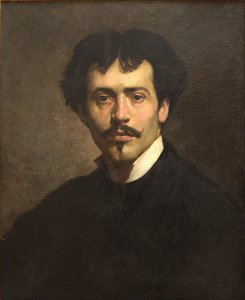
João Joaquim Marques da Silva Oliveira
1853 - 1927 , Portugal
Rychlé fakta
- Artistic Movement Or Style: Naturalism
- Artists Or Movements Influenced By This Artist:
- Aurélia de Sousa
- Lino António
- Artists Who Influenced This Artist:
- Alexandre Cabanel
- Adolphe Yvon
- Date Of Birth: 1853
- Date Of Death: 1927
- Full Name: João Joaquim Marques da Silva Oliveira
- Nationality: Portuguese
- Notable Artworks:
- Marina
- Woman in Rome
- Portrait of António Soares dos Reis
- Place Of Birth: Porto, Portugal
Související články
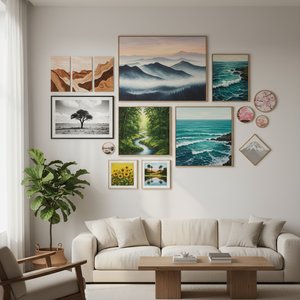
Top 10 krajin v umění: Mistrovská díla a inspirace pro váš domov
Objevte 10 nejúchvatnějších krajin v umění od Turnerů po Van Gogha! Ponořte se do příběhů mistrů a inspirujte se pro svůj interiér. Reprodukce obrazů nejvyšší kvality na OriginalUniqueArt.com – pro milovníky umění a dokonalý dekor.

Evocations of Place: A Historical Journey Through Landscape Art
Explore the rich history of landscape art with OriginalUniqueArt. Discover renowned artists, movements like Impressionism & tonalism, and expert guidance for collecting timeless pieces. Find your perfect serene escape today!

Evocations of Place: A Historical Journey Through Landscape Art
Explore the rich history of landscape art with OriginalUniqueArt. Discover renowned artists, movements like Impressionism & Romanticism, and expert guidance for collecting timeless pieces. Find your perfect serene escape today!

Flowing Narratives: Rivers in Painting – A Historical Exploration
Explore the rich history of rivers in painting! Discover masterpieces from ancient times to Impressionism & beyond. Learn about symbolism, artists like Monet & Daubigny, and find your perfect serene artwork at OriginalUniqueArt.
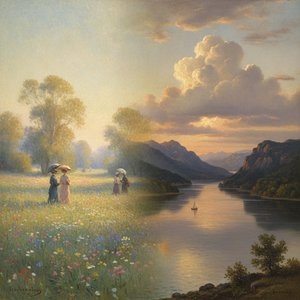
Capturing the Light: A Journey Through the Soul of American Impressionism and the Hudson River School
Explore the luminous beauty of American Impressionism and the Hudson River School. Discover a curated journey through light, landscape, and history, celebrating the enduring legacy of masters through exquisite, hand-painted oil reproductions for the discerning art lover.



