Post-Impressionism · 1925
The Windows (Pierre Bonnard, 1925)
Pierre Bonnard (1867–1947) vytvořil dílo The Windows. Pochází z roku 1925. Patří k hnutí Post-Impressionism. Je vyrobeno z Oil On Canvas.
- 1925
- Oil On Canvas

 Náhled v interiéru

 Ručně malovaná olejná reprodukce
 Sdílet
 Sdílet
 Informační list pro studenty


 Stáhnout
 Podobné položky
 Rentgenové snímky
 Slideshow
 Otázky a odpovědi

 Statistiky
The Windows v kostce
- Název díla
- The Windows
- Autor
- Pierre Bonnard (1867–1947)
- Rok narození umělce
- Fontenay-aux-Roses, Francie
- Datum vytvoření
- 1925
- Technika
- Oil On Canvas
- Pohyb
- Post-Impressionism
- Období
- 19th Century
- Motiv
- mediterranean view, interior landscape, window composition, post-impressionism art, light and shadow, domestic scene
Co przedstawuje dílo The Windows?
A Window on Memory: Pierre Bonnard’s ‘The Windows’
Pierre Bonnard's “The Windows,” painted in 1925, is more than just a still life; it’s an intimate meditation on light, memory, and the quiet beauty of domesticity. The artwork immediately draws the viewer into a warmly lit interior space, a room imbued with a palpable sense of tranquility. Through the open window, a vibrant Mediterranean town unfolds – a distant echo of warmth and color that subtly shapes the mood of the scene. Bonnard’s masterful use of perspective creates a layered composition, guiding our eye from the tangible objects within the room—a book titled ‘Marie,’ a paintbrush, an inkwell—to the expansive vista beyond, blurring the boundaries between the personal and the universal.
- Post-Impressionist Vision: “The Windows” firmly establishes Bonnard’s place within the Post-Impressionist movement. Influenced heavily by Paul Gauguin's bold color palettes and flattened perspective, Bonnard rejects strict realism in favor of a subjective interpretation of reality. The visible brushstrokes, applied with a confident hand, contribute to a richly textured surface that invites close inspection.
- Technique & Materials: Executed in oil paints on canvas, the artwork showcases Bonnard’s signature impasto technique – thick layers of paint built up to create a tactile and luminous effect. This is particularly evident in the window frame and the book cover, where the paint seems to shimmer with reflected light.
- Color as Emotion: Bonnard's color choices are deliberately emotive, eschewing naturalistic representation for hues that evoke specific feelings. The warm yellows, oranges, and reds of the interior contrast dramatically with the cooler blues and greens of the distant landscape, creating a dynamic visual tension.
Decoding the Symbolism
Beyond its technical brilliance, “The Windows” is rich in symbolic potential. The inclusion of ‘Marie,’ a book bearing this name, has been interpreted as representing love or memory – perhaps a cherished recollection brought to life through the artist’s gaze. The window itself acts as a portal, not just to a physical location but also to a realm of contemplation and introspection. The simplified shapes and organic forms throughout the composition suggest a desire to capture the essence of things rather than their precise details, aligning with Bonnard's broader artistic philosophy.
- The Mediterranean Landscape: The distant town, rendered in atmospheric perspective – paler colors and less detail for objects further away – symbolizes escape, longing, or perhaps a nostalgic yearning for the sun-drenched landscapes of Southern France, where Bonnard spent much of his life.
- Domestic Objects as Vessels of Memory: The carefully arranged objects within the room—the book, paintbrush, inkwell—are not merely props; they are imbued with personal significance, suggesting a connection to Bonnard’s own experiences and emotions.
Historical Context & Artistic Legacy
Painted in 1925, “The Windows” reflects the evolving artistic landscape of early 20th-century France. Bonnard was working at a pivotal moment, navigating between the traditions of Impressionism and the radical experimentation of Cubism and other avant-garde movements. His work, though rooted in observation, is profoundly subjective, prioritizing emotional resonance over objective representation. This approach anticipated many of the developments that would shape modern art.
Artist Information: Pierre Bonnard (1867-1947) was a prominent figure in the Post-Impressionist movement, renowned for his evocative depictions of domestic interiors and landscapes. His distinctive style, characterized by bold color choices, loose brushwork, and a focus on capturing light and atmosphere, continues to captivate audiences today.Vysokorozlišené fotografie díla The Windows

Pierre Bonnard, The Windows (1925). Veřejná doména
Odpovědi na otázky k dílu The Windows
V jakém roce vzniklo dílo „The Windows“ od Pierre Bonnard?
Dílo "The Windows" pochází z roku 1925. Toto datum situuje dílo do období tvůrčí činnosti Pierre Bonnard i do jeho dobové kontextu.
V jaké technice je vytvořeno dílo „The Windows“ od Pierre Bonnard?
Pierre Bonnard pro dílo „The Windows“ použil/a techniku Oil On Canvas. Tato technika definuje materiální podstatu originálního díla.
Co zachycuje dílo „The Windows“ od Pierre Bonnard?
Témata obsažená v díle „The Windows“ od Pierre Bonnard zahrnují mediterranean view, interior landscape, window composition, post-impressionism art, light and shadow, domestic scene, color palette study. Tato témata společně shrnují obsah celého uměleckého díla.
Je dílo „The Windows“ volné z autorských práv?
Dílo „The Windows“ od Pierre Bonnard spadá do v rámci volného užití – autorská práva vypršela. Tento stav určuje pravidla pro reprodukci obrazu tohoto díla.
K kterému umělci je dílo "The Windows" připisováno?
Dílo "The Windows" vytvořil/a Pierre Bonnard. Informace na této stránce popisují originální dílo umělce Pierre Bonnard.
K kterému uměleckému směru patří „The Windows“ od Pierre Bonnard?
Umělecký směr, ke kterému patří dílo „The Windows“ od Pierre Bonnard, je Post-Impressionism. Tato klasifikace toto dílo umísťuje mezi související umělce a další umělecká díla.
Do které éry tvorby Pierre Bonnard spadá dílo "The Windows"?
Dílo „The Windows“ pochází z období Mature Period v tvorbě umělce Pierre Bonnard. Tato klasifikace dílo zasazuje do kontextu vývoje jeho tvůrčí dráhy.
Kolik let bylo Pierre Bonnard, když v roce 1925 vytvořil(a) dílo „The Windows“?
Pierre Bonnard vytvořil/a dílo „The Windows" ve věku 58 let. Umělec/ka se narodil/a v roce 1867 a dílo je datováno na 1925.
Jak lze vysvětlit situaci s autorskými právy u díla „The Windows“ od Pierre Bonnard?
Dílo „The Windows“ od Pierre Bonnard spadá do v rámci volného užití – autorská práva vypršela. Autorská práva se počítají od roku úmrtí autora; Pierre Bonnard zemřel(a) v roce 1947.
O umělci, Pierre Bonnard
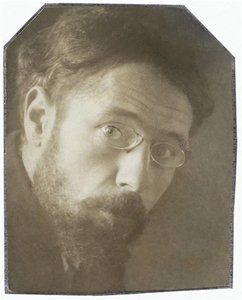
1867–1947, Francie
Pierre Bonnard
Raný život, rodina a vzdělání Pierre Bonnard se narodil 3. října 1867 ve Fontenay-aux-Roses v departementu Hauts-de-Seine ve Francii. Vyrostl v rodině, která byla definována jasnými společenskými očekáváními; jeho otec, Eugène Bonnard, zastával vysokou funkci na francouzském Ministerstvu války. Zatímco jeho rodové kořeny byly pevně zakotveny v administrativní stabilitě státu, domácí sféra Pierreova života byla formována jeho matkou, Élisabeth Mertzdorff, která pocházela z Alsaska.
Také od autora Pierre Bonnard
 Náměstí1920
 La toilette, ca Private1932
 The almond tree in blossom
 Le placard rouge (The Red Cupboard),1939

Eseje k tématu The Windows
 Top 10 impresionistických mistrovských děl, které změnily svět umění | OriginalUniqueArtProzkoumejte 10 ikonických děl impresionismu od Monet, Renoir a Van Gogha. Objevte příběhy za slavnými obrazy, techniky a inspiraci pro váš…
 Capturing Emotion: The Enchanting World of Romantic Illustration and the Art of Visual PoeticsExplore the evocative beauty of Romantic illustration. From Art Nouveau to Victorian classics, discover how master illustrators capture pro…
 Chasing the Sun: The Ethereal Magic of Window Light in Impressionist MasterpiecesDiscover the ethereal beauty of window light in Impressionist masterpieces. Explore a visual journey through Monet, Bonnard, and Van Gogh, …