Romantic Antiquarianism · 1777
Wandering Minstrels (Hubert Robert, 1777)
Hubert Robert (1733–1808) vytvořil dílo Wandering Minstrels. Pochází z roku 1777. Patří k hnutí Romantic Antiquarianism. Je vyrobeno z Oil On Canvas. Nachází se v Metropolitan Museum of Art v New York, Spojené státy americké. Rozměry jsou 175 × 123 cm.
- 1777
- Oil On Canvas
- 175 × 123 cm
- Metropolitan Museum of Art, New York

 Náhled v interiéru

 Ručně malovaná olejná reprodukce
 Sdílet
 Sdílet
 Informační list


 Stáhnout
 Podobné položky
 Rentgenové snímky
 Slideshow
 Otázky a odpovědi

 Statistiky
Wandering Minstrels v kostce
- Název díla
- Wandering Minstrels
- Autor
- Hubert Robert (1733–1808)
- Rok narození umělce
- Paříž, Francie
- Datum vytvoření
- 1777
- Technika
- Oil On Canvas
- Rozměry
- 175 × 123 cm
- Kde jej vidět
- Metropolitan Museum of Art, New York, Spojené státy americké
- Motiv
- landscapes, ruins, statues, minstrels, architecture, water
Co przedstawuje dílo Wandering Minstrels?
A Vision of Leisure: Hubert Robert’s “Wandering Minstrels”
Hubert Robert's "Wandering Minstrels," painted in 1777, is more than just a picturesque landscape; it’s a meticulously constructed illusion, a fleeting moment captured with the artist’s signature blend of observation and romantic fancy. Commissioned by the Comte d’Artois as part of his extravagant pleasure pavilion at Bagatelle – a project undertaken with astonishing speed – the painting embodies the Rococo spirit of playful extravagance and the burgeoning fascination with ruins that would define much of the late 18th century. Robert, deeply influenced by his years spent in Italy, masterfully synthesizes elements of Roman architecture and sculpture with a distinctly French sensibility, creating a scene brimming with theatricality and an almost palpable sense of nostalgia.
The composition immediately draws the eye to the central obelisk, flanked by two elegant statues – likely representations of goddesses or allegorical figures. These monumental forms anchor the scene, providing a dramatic backdrop for the lively gathering below. The figures themselves are rendered with a remarkable degree of detail and movement; musicians strumming instruments, dancers twirling, and individuals engaged in various social interactions populate the foreground. Robert’s skill lies not just in depicting these figures accurately but also in conveying their energy and the overall atmosphere of merriment. Notice how he uses light to sculpt the forms, creating a sense of depth and volume that brings the scene vividly to life.
The Art of Illusion: Technique and Style
Robert’s technique is characterized by a loose, almost improvisational brushstroke – a hallmark of his “capriccio” style. He wasn't striving for photographic realism; instead, he prioritized capturing the *feeling* of a place, imbuing it with atmosphere and emotion. The use of color is particularly noteworthy: muted tones dominate, creating a hazy, dreamlike quality that reinforces the painting’s sense of timelessness. He expertly employs atmospheric perspective – objects in the distance appear paler and less distinct – to further enhance the illusion of depth and space. This technique, combined with his masterful handling of light and shadow, is what truly elevates “Wandering Minstrels” beyond a simple landscape depiction.
The painting’s genesis within the Bagatelle project offers crucial context. Robert was tasked with creating a series of six paintings for the pleasure pavilion's bathing room, all centered around the theme of water. This constraint – and the incredibly tight deadline – undoubtedly influenced his approach, leading him to draw upon diverse sources and synthesize them into a cohesive whole. The obelisk itself, for instance, likely derives from Roman architectural models studied by Robert during his time in Italy, while other elements are subtly adapted from French decorative motifs.
Symbolism and Historical Context
“Wandering Minstrels” is deeply rooted in the intellectual currents of the late 18th century. The fascination with ruins – a trend popularized by antiquarians like Johann Joachim Winckelmann – reflected a broader cultural preoccupation with the past, particularly the glories of antiquity. Robert’s incorporation of Roman architectural elements speaks to this interest, but he doesn't simply replicate classical forms; rather, he reimagines them within a distinctly French context. The figures themselves can be interpreted as symbols of leisure and social interaction, reflecting the aristocratic lifestyle enjoyed by the Comte d’Artois and his court.
The painting also subtly alludes to the changing role of art in society. During this period, artists were increasingly expected to create works that not only depicted reality but also evoked emotion and imagination. Robert's “capriccio” style – a genre characterized by fantastical landscapes and idealized scenes – perfectly embodies this shift. The scene is not meant to be a literal representation of a specific place or event; it’s an invented world, designed to transport the viewer to a realm of beauty and delight.
A Legacy of Romantic Vision
“Wandering Minstrels” stands as a testament to Hubert Robert's unique artistic vision. It is a captivating blend of observation, imagination, and technical skill – a painting that continues to enchant viewers with its evocative atmosphere and timeless appeal. Reproductions of this work offer an exceptional opportunity to bring this exquisite scene into your home, allowing you to experience the beauty and artistry of one of France’s most celebrated landscape painters. The intricate details and masterful use of light and color are particularly striking when reproduced on high-quality canvas or aluminum, capturing the essence of Robert's original vision with remarkable fidelity.
Ve kterém muzeu se nachází Wandering Minstrels?
Metropolitan Museum of Art
New York, Spojené státy americké
Původy a historie Metropolitan Museum of Art Cesta Metropolitan Museum of Art začala s vizí, kterou sdílel skupina podnikatelů, financierských magnátů i předních umělců a myslitelů. Po své založení v roce 1870 instituce hledala trvalé sídlo, které by mohlo pojmout její neustále rostoucí sbírky. Než se muzeum usadilo na svém současném místě, krátce sídlilo v areálu sídla Douglas Mansion na West 14th Street.


Vysokorozlišené fotografie díla Wandering Minstrels

Hubert Robert, Wandering Minstrels (1777), Metropolitan Museum of Art. Veřejná doména
Odpovědi na otázky k dílu Wandering Minstrels
Kde je dnes možné vidět dílo „Wandering Minstrels“ od Hubert Robert?
Originál díla „Wandering Minstrels“ od Hubert Robert je uložen v instituci Metropolitan Museum of Art, New York, Spojené státy americké. Reprodukce však umožňuje toto dílo vystavit i ve vašem domově.
V jakém roce vzniklo dílo „Wandering Minstrels“ od Hubert Robert?
Vznik díla „Wandering Minstrels“ od Hubert Robert se datuje do roku 1777.
Jakou technikou je vytvořeno dílo "Wandering Minstrels"?
Technikou díla „Wandering Minstrels“ od Hubert Robert je Oil On Canvas. Reprodukce mají za cíl věrně zachytit vzhled této techniky.
Jaké jsou skutečné rozměry díla „Wandering Minstrels“ od Hubert Robert?
Původní rozměry díla "Wandering Minstrels" jsou 175 x 123 cm. Původní rozměry slouží jako užitečný vodítko při výběru velikosti reprodukce.
Co zachycuje dílo „Wandering Minstrels“ od Hubert Robert?
Motivy díla „Wandering Minstrels“ jsou landscapes, ruins, statues, minstrels, architecture, water, gathering, italy.
Lze obraz díla „Wandering Minstrels“ od Hubert Robert volně reprodukovat?
Co se týče autorských práv, dílo "Wandering Minstrels" spadá do v rámci volného užití – autorská práva vypršela.
Kdo vytvořil "Wandering Minstrels"?
Autorem díla „Wandering Minstrels“ je Hubert Robert. Práce je v katalogu uvedena pod jménem Hubert Robert.
K kterému uměleckému směru patří „Wandering Minstrels“ od Hubert Robert?
„Wandering Minstrels“ je dílo z období Romantic Antiquarianism. Tento směr představuje uměleckou tradici, jejíž je dílo součástí.
Do které období tvorby Hubert Robert patří dílo „Wandering Minstrels“?
V rámci kariéry umělce Hubert Robert spadá dílo „Wandering Minstrels“ do období 18th Century. Tato fáze umožňuje jeho srovnání s dalšími díly tohoto umělce.
O umělci, Hubert Robert
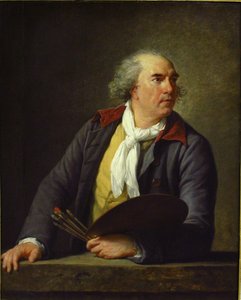
1733–1808, Francie
Hubert Robert
Raný život, rodina a umělecké vzdělání Hubert Robert se narodil v Paříži v roce 1733 a vstoupil do světa, kde bylo společenské postavení jeho rodiny úzce spjato se službou jiným. Jeho otec, Nicolas Robert, zastával místo v domácnosti významné osobnosti, což bylo spojení, které v budoucnu usnadnilo mladíkovi cestu skrze nejvyšší vrstvy francouzské společnosti. Tato raná stabilita poskytla základ pro formální vzdělání, které absolvoval v uspořádaném prostředí Collège de Navarre. Do roku 1751 dokončil své studia u jezuitů, čímž získal disciplinované intelektuální zázemí, než svou pozornost obrátil k výtvarnému umění.
Také od autora Hubert Robert
 The Pont du Gard1787
 The Finding of the Laocoön1773
 Le port de Ripetta
 PROJET D'AMENAGEMENT DE LA GRANDE GALERIE DU LOUVRE

Eseje k tématu Wandering Minstrels
 Hubert Robert: Picturing Ruins, Preserving Memory – A Study of Romantic Antiquarianism & Artistic InnovationExplore the captivating world of Hubert Robert, master of Romantic landscape painting & 'capriccio' ruins. Discover his historical context,…
 Eugène Boudin: Capturing Fleeting Moments – A Study of Light, Atmosphere & the Birth of ImpressionismExplore the life & art of Eugène Boudin, a pioneer of plein air painting and key influence on Impressionism. Discover his masterful light s…
 Mastering Light: The 25 Most Iconic Landscapes by Jean-Baptiste-Camille CorotImmerse yourself in the tranquil beauty of Jean-Baptiste-Camille Corot. Explore 25 iconic landscapes that defined the Barbizon school throu…