Romanticism · 1800
Architecture with Figures (Hubert Robert, 1800)
Hubert Robert (1733–1808) vytvořil dílo Architecture with Figures. Pochází z roku 1800. Patří k hnutí Romanticism. Je vyrobeno z Oil On Paper. Nachází se v Statens Museum for Kunst v Kodaň, Dánsko. Rozměry jsou 86 × 106 cm.
- 1800
- Oil On Paper
- 86 × 106 cm
- Statens Museum for Kunst, Kodaň

 Náhled v interiéru

 Ručně malovaná olejná reprodukce
 Sdílet
 Sdílet
 Informační list


 Stáhnout
 Podobné položky
 Rentgenové snímky
 Slideshow
 Otázky a odpovědi

 Statistiky
Architecture with Figures v kostce
- Název díla
- Architecture with Figures
- Autor
- Hubert Robert (1733–1808)
- Rok narození umělce
- Paříž, Francie
- Datum vytvoření
- 1800
- Technika
- Oil On Paper
- Rozměry
- 86 × 106 cm
- Kde jej vidět
- Statens Museum for Kunst, Kodaň, Dánsko
- Pohyb
- Romanticism
- Období
- 19th Century
- Motiv
- architecture, figures, columns, ruins, sky, stone
Co przedstawuje dílo Architecture with Figures?
Identification of Architecture with Figures
Architecture with Figures is a painting by the French artist Hubert Robert. This work dates to about 1800. The artist, who was a member of the school of Romanticism, produced this piece during a period of significant transition in French art. Robert's background in both sculpture and painting informs the structural presence of the subjects within this composition.
The artwork depicts a scene of monumental classical ruins. The subject matter focuses on three figures—a standing man, a seated woman, and an older seated figure—who interact near a stone basin or altar. These figures are positioned amidst large-scale architectural elements, including massive columns and an arched structure. The scene is set under a vast, cloudy sky, with an obelisk visible in the distance to establish depth.
The visual presentation of the work relies on a monochromatic palette. It utilizes various shades of grey, black, and white to define the forms. This approach emphasizes the interplay of light and shadow across the textures of weathered stone, smooth marble, and soft fabric. The composition uses strong vertical lines from the columns and the obelisk to contrast with the curved lines of the arches and the draped clothing of the figures.
The Composition and Visual Elements
The composition is organized around large-scale architectural elements that establish a sense of monumental scale. On the right side, massive columns rise vertically, while an arched structure on the left side of the frame creates a boundary for the central scene. These structural components frame a central group of three figures positioned near a stone basin or altar. This group consists of a standing man, a seated woman, and an older seated figure engaged in interaction. In the background, an obelisk is placed in the distance, contributing to the receding perspective and the depth of the scene.
The color palette is monochromatic, utilizing various shades of grey, black, and white. This lack of hue emphasizes the interplay of light and shadow across the various surfaces. Dramatic lighting originates from a directional source, casting deep shadows and creating bright highlights on the textures of the weathered stone, the smooth marble, and the soft fabric of the draped clothing. The arrangement of lines reinforces the structural order, using strong verticality through the columns and the obelisk, contrasted by the curved lines of the classical arches and the organic forms of the figures and scattered flowers.
Technique and Artistic Method
The medium of this work appears to be a monochrome painting, likely executed in oil or wash on paper. The artist employs fine brushwork to render the intricate details of the architectural elements and the folds of the drapery. These precise strokes define the textures of the weathered stone and the soft surfaces of the fabric worn by the figures.
Robert frequently utilized the alla prima technique in his practice. This method involves applying paint in a direct and spontaneous manner. Such an approach allows for a sense of immediacy in the execution of the composition. The application of pigment creates a clear distinction between the solid, geometric forms of the columns and the more organic, fluid shapes of the human figures and scattered flowers.
The Artistic Style of Hubert Robert
Hubert Robert is noted for his landscape paintings and his development of the capriccio. These works consist of semi-fictitious, picturesque depictions of ruins located in Italy and France. His approach to these subjects involves a specific method of blending careful observation with a heightened imagination. This combination allows for the construction of theatrical atmospheres within the landscape. He often uses atmospheric perspective to soften distant horizons, which creates a sense of depth and space.
The artist's technique is characterized by a versatility that moves between the precision of a draftsman and the fluid touch of a painter. He frequently employed the alla prima technique, applying paint in a direct and spontaneous manner. This method contributes to the immediacy of his compositions. His work often utilizes light and shadow to manipulate the perception of space, using these elements to suggest a sense of history within the architectural forms.
Ve kterém muzeu se nachází Architecture with Figures?
Statens Museum for Kunst
Kodaň, Dánsko
Historie a kořeny Statens Museum for Kunst Kořeny Statens Museum for Kunst sahají až k soukromým uměleckým sbírkám, které si po staletí shromáždili dánští monarchové. Tato královská držba položila základy pro to, co se nakonec stalo největším uměleckým muzeem v Dánsku. Ačkoliv jsou kořeny instituce pevně spjaty s těmito suverénními sbírkami, její formální vznik je definován dvěma významnými daty.


Vysokorozlišené fotografie díla Architecture with Figures

Hubert Robert, Architecture with Figures (1800), Statens Museum for Kunst. Veřejná doména
Odpovědi na otázky k dílu Architecture with Figures
Kde mohu vidět originál díla „Architecture with Figures“ od Hubert Robert?
Originál díla „Architecture with Figures“ si můžete prohlédnout v instituci Statens Museum for Kunst, Kodaň, Dánsko.
V jakém roce bylo vytvořeno dílo „Architecture with Figures“ od Hubert Robert?
Dílo „Architecture with Figures“ od Hubert Robert vzniklo v roce 1800.
Jakou techniku bylo použito pro dílo „Architecture with Figures“ od Hubert Robert?
Technikou díla „Architecture with Figures“ od Hubert Robert je Oil On Paper. Reprodukce mají za cíl věrně zachytit vzhled této techniky.
Jaké jsou skutečné rozměry díla „Architecture with Figures“ od Hubert Robert?
Zaznamenané rozměry díla „Architecture with Figures“ od Hubert Robert jsou 86.0 x 106.0cm. Reprodukce lze objednat v jiných velikostech při zachování stejných proporcí.
Co zachycuje dílo "Architecture with Figures"?
„Architecture with Figures“ od Hubert Robert zobrazuje: architecture, figures, columns, ruins, sky, stone, drapery.
Lze obraz díla „Architecture with Figures“ od Hubert Robert volně reprodukovat?
Dílo „Architecture with Figures“ od Hubert Robert spadá do v rámci volného užití – autorská práva vypršela. Tento stav určuje pravidla pro reprodukci obrazu tohoto díla.
Kdo vytvořil "Architecture with Figures"?
Dílo "Architecture with Figures" se připisuje autorovi Hubert Robert.
K kterému uměleckému směru patří „Architecture with Figures“ od Hubert Robert?
„Architecture with Figures“ je dílo z období Romanticism. Tento směr představuje uměleckou tradici, jejíž je dílo součástí.
Do jaké fáze tvůrčího rozvoje Hubert Robert patří dílo „Architecture with Figures“?
„Architecture with Figures“ představuje období Late Period umělce Hubert Robert.
O umělci, Hubert Robert
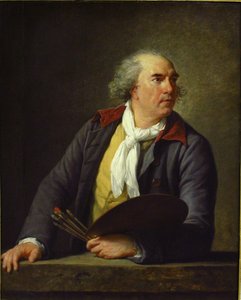
1733–1808, Francie
Hubert Robert
Raný život, rodina a umělecké vzdělání Hubert Robert se narodil v Paříži v roce 1733 a vstoupil do světa, kde bylo společenské postavení jeho rodiny úzce spjato se službou jiným. Jeho otec, Nicolas Robert, zastával místo v domácnosti významné osobnosti, což bylo spojení, které v budoucnu usnadnilo mladíkovi cestu skrze nejvyšší vrstvy francouzské společnosti. Tato raná stabilita poskytla základ pro formální vzdělání, které absolvoval v uspořádaném prostředí Collège de Navarre. Do roku 1751 dokončil své studia u jezuitů, čímž získal disciplinované intelektuální zázemí, než svou pozornost obrátil k výtvarnému umění.
Také od autora Hubert Robert
 The Pont du Gard1787
 The Finding of the Laocoön1773
 Le port de Ripetta
 PROJET D'AMENAGEMENT DE LA GRANDE GALERIE DU LOUVRE

Eseje k tématu Architecture with Figures
 Hubert Robert: Picturing Ruins, Preserving Memory – A Study of Romantic Antiquarianism & Artistic InnovationExplore the captivating world of Hubert Robert, master of Romantic landscape painting & 'capriccio' ruins. Discover his historical context,…
 Vedute and Capriccio: Distinguishing Topographical Views from Architectural FantasyMaster the difference between veduta and capriccio through expert art history analysis. Explore the masters of Italian landscape art today.
 French artworks of the 1880sFrench Impressionist masterpieces by Claude Monet, Pierre-Auguste Renoir, and Georges Seurat. Find museum-quality reproductions on Original…