Baroque Dutch Painting · 1653
Violon Player (Gerrit Dou, 1653)
Gerrit Dou (1613–1675) vytvořil dílo Violon Player. Pochází z roku 1653. Patří k hnutí Baroque Dutch Painting. Je vyrobeno z Oil On Canvas. Nachází se v Liechtenstein Museum v Vídeň, Rakousko. Rozměry jsou 32 × 20 cm.
- 1653
- Oil On Canvas
- 32 × 20 cm
- Liechtenstein Museum, Vídeň

 Náhled v interiéru

 Ručně malovaná olejná reprodukce
 Sdílet
 Sdílet
 Informační list


 Stáhnout
 Podobné položky
 Rentgenové snímky
 Slideshow
 Otázky a odpovědi

 Statistiky
Violon Player v kostce
- Název díla
- Violon Player
- Autor
- Gerrit Dou (1613–1675)
- Rok narození umělce
- Leiden, Nizozemsko
- Datum vytvoření
- 1653
- Technika
- Oil On Canvas
- Rozměry
- 32 × 20 cm
- Kde jej vidět
- Liechtenstein Museum, Vídeň, Rakousko
- Období
- Renaissance
- Motiv
- violin player, portrait painting, dutch golden age, gerrit dou, chiaroscuro, elegant man
Co przedstawuje dílo Violon Player?
Gerrit Dou’s ‘Violon Player’: A Masterclass in Dutch Golden Age Detail
This exquisite hand-painted reproduction captures Gerrit Dou's remarkable ability to distill the essence of human experience into a single, intensely observed moment. Painted in 1653, “Violon Player” offers a poignant glimpse into the life of a musician during the Dutch Golden Age – a period defined by burgeoning commerce, artistic innovation, and a profound appreciation for leisure and refinement. The painting’s subject, a man absorbed in his violin, is rendered with an almost unsettling realism, inviting us to contemplate not just his actions but also his inner world.
- Subject & Composition: The central figure dominates the canvas, his posture suggesting both concentration and perhaps a touch of melancholy. The inclusion of indistinct figures in the background – likely members of his audience – adds depth to the scene without disrupting the focus on the musician himself. This careful composition is characteristic of Dou’s approach, prioritizing narrative suggestion over explicit storytelling.
- Style & Technique: Dou was a key figure within the Leiden Fijnschilders group, renowned for their meticulous attention to detail and mastery of *sfumato* – a technique that employs subtle gradations of light and shadow to create an atmospheric effect. Notice the incredibly detailed rendering of the violin’s varnish, the folds in the man's clothing, and the play of light on his face. This level of precision was exceptionally demanding, requiring hours of painstaking work.
Chiaroscuro and the Drama of Light
Gerrit Dou’s command of chiaroscuro – the dramatic use of light and dark – is perhaps the most striking element of “Violon Player.” He expertly manipulates light to create a sense of depth, volume, and emotional intensity. The soft glow illuminating the musician's face contrasts sharply with the darker recesses of the room, drawing our attention to his expression and intensifying the scene’s mood. This technique was particularly favored by Dou, reflecting his fascination with capturing fleeting moments of illumination – often seen in his candlelit night-scenes.
- Material & Craftsmanship: Each reproduction is created using traditional hand-painting techniques, employing archival-quality pigments and canvas to ensure lasting beauty. The meticulous brushwork and the rich color palette faithfully recreate Dou’s original vision, capturing the nuances of light and texture that are essential to his style.
Symbolism and Context
“Violon Player” transcends a simple portrait; it offers a window into 17th-century Dutch society. The musician represents a segment of the middle class, enjoying a moment of respite from their daily activities. The violin itself was a symbol of status and refinement during this era. Dou’s work reflects the growing importance of secular pursuits and leisure within the burgeoning merchant culture of Leiden. This painting aligns with the broader artistic trends of the Dutch Golden Age, where artists sought to capture not just physical likenesses but also the psychological states of their subjects.
- Historical Significance: Created in 1653, this work exemplifies Dou’s peak creative period. It provides a valuable insight into the artistic practices and aesthetic sensibilities of the Dutch Golden Age – a time when art flourished alongside economic prosperity and intellectual curiosity.
Perfect for Your Space
This stunning reproduction of Gerrit Dou's “Violon Player” is more than just a beautiful image; it’s an investment in timeless artistry. Its elegant composition, masterful technique, and evocative atmosphere make it a perfect addition to any interior space – from a formal salon to a contemporary living room. Bring the drama and sophistication of the Dutch Golden Age into your home with this exceptional hand-painted reproduction.
Ve kterém muzeu se nachází Violon Player?
Liechtenstein Museum
Vídeň, Rakousko
Klenot vídeňského barokního velkolepství V samotném srdci historické vídeňské Ringstraße se nachází Liechtenstein Museum, jehož prostředí je samo o sobě takovým uměleckým dílem, jako jsou poklady, které v něm jsou chráněny. Muzeum, sídlící v nádherném Palais Liechtenstein, nabízí pohlcující cestu do samotné duše aristokratické elegance a hlubokého dědictví rodu Lichtenštejnů. Jak se návštěvníci blíží k této palácové stavbě, vítá je architektonický majestát dávno uplynulé éry, kde každý pozlacený kornýš a monumentální schodiště šeptají příběhy o imperiální prestiji.


Vysokorozlišené fotografie díla Violon Player

Gerrit Dou, Violon Player (1653), Liechtenstein Museum. Veřejná doména
Odpovědi na otázky k dílu Violon Player
Které muzeum uchovává originál díla "Violon Player"?
Dílo „Violon Player“ od Gerrit Dou je vystaveno v instituci Liechtenstein Museum, Vídeň, Rakousko. Uvedené muzeum se vztahuje k originálu, nikoliv k reprodukcím.
V jakém roce vzniklo dílo "Violon Player"?
Vznik díla „Violon Player“ od Gerrit Dou se datuje do roku 1653.
V jaké technice je vytvořeno dílo „Violon Player“ od Gerrit Dou?
Gerrit Dou pro dílo „Violon Player“ použil/a techniku Oil On Canvas. Tato technika definuje materiální podstatu originálního díla.
Jaké jsou rozměry originálu díla „Violon Player“ od Gerrit Dou?
Zaznamenané rozměry díla „Violon Player“ od Gerrit Dou jsou 32 x 20 cm. Reprodukce lze objednat v jiných velikostech při zachování stejných proporcí.
Co zachycuje dílo "Violon Player"?
„Violon Player“ od Gerrit Dou zobrazuje: violin player, portrait painting, dutch golden age, gerrit dou, chiaroscuro, elegant man, 17th century.
Lze obraz díla „Violon Player“ od Gerrit Dou volně reprodukovat?
Co se týče autorských práv, dílo "Violon Player" spadá do v rámci volného užití – autorská práva vypršela.
Kdo vytvořil "Violon Player"?
Dílo "Violon Player" se připisuje autorovi Gerrit Dou.
K jakému stylu patří „Violon Player“?
„Violon Player“ je dílo z období Baroque Dutch Painting. Tento směr představuje uměleckou tradici, jejíž je dílo součástí.
Do které éry tvorby Gerrit Dou spadá dílo "Violon Player"?
V rámci kariéry umělce Gerrit Dou spadá dílo „Violon Player“ do období Mature Period. Tato fáze umožňuje jeho srovnání s dalšími díly tohoto umělce.
O umělci, Gerrit Dou

1613–1675, Nizozemsko
Gerrit Dou
Raný život, rodina a vzdělání Gerrit Dou se narodil 7. dubna 1613 v nizozemském Lejdenu. Vyrostl ve domácnosti, kde byly světlo a sklo nedílnou součástí každodenního života, neboť jeho otec pracoval jako sklář a rytce skla. Tato raná zkušenost s jemnou manipulací se světlem skrze průsvitné materiály pravděpodobně zásadně ovlivnila jeho budoucí vnímání vizuálního světa.
Také od autora Gerrit Dou
 Rybářova žena1653
 Self-Portrait1640
 An Evening School1655
 Portrait of an old woman reading1635

Eseje k tématu Violon Player
 Top 10 mistrovských děl holandského baroka – obrazy a umělci | OriginalUniqueArt.czObjevte 10 ikonických děl holandského baroka! Prozkoumejte příběhy Rembrandta, Vermeera a dalších mistrů. Repliky obrazů nejvyšší kvality p…
 Chiaroscuro and Soul: A Definitive Guide to the Drama and Emotion of Italian Baroque MasterpiecesEmbark on a sophisticated journey through Italian Baroque art. Discover the dramatic interplay of light and emotion in Caravaggio’s masterp…
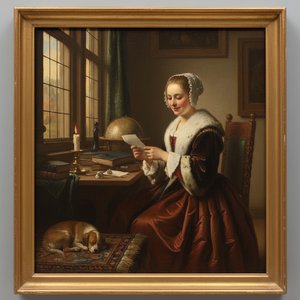 Gerrit Dou: Intimacy & Light in the Dutch Golden AgeExplore the exquisite world of Gerrit Dou, a master of Dutch Golden Age painting. Discover his intimate genre scenes, signature use of ligh…