Cubism
Fox (Georges Braque)
Georges Braque (1882–1963) vytvořil dílo Fox. Patří k hnutí Cubism. Je vyrobeno z Etching.
- Etching

 Náhled v interiéru

 Ručně malovaná olejná reprodukce
 Sdílet
 Sdílet
 Průvodce


 Stáhnout
 Podobné položky
 Rentgenové snímky
 Slideshow
 Otázky a odpovědi

 Statistiky
Fox: základní údaje
- Název díla
- Fox
- Autor
- Georges Braque (1882–1963)
- Rok narození umělce
- Argenteuil, Francie
- Technika
- Etching
- Pohyb
- Cubism
- Období
- Modern
- Motiv
- abstract, geometric, monochrome, line art, composition, braque
Co przedstawuje dílo Fox?
The Essence of Geometric Fragmentation
In the quiet, monochromatic depths of Georges Braque’s Fox, we encounter a profound moment in the evolution of modern vision. Created in 1911 and published the following year, this exquisite etching serves as a masterclass in the radical language of Cubism. At first glance, the eye may search for the titular subject, yet Braque deliberately withholds the literal. Instead, he offers us a fragment of pure geometry—a meticulously structured dance of rectangles, triangles, and sweeping curves that seem to float within a shallow, textured space. This is not a depiction of an animal, but rather an exploration of how light, line, and form can exist independently of the physical world. For the discerning collector or interior designer, this piece offers a sophisticated focal point, bringing an intellectual depth and a sense of avant-garde history to any curated space.
The technique employed in Fox is as vital to its impact as the composition itself. As a monochrome etching, the work relies on the subtle interplay of ink and paper to create a palpable sense of materiality. The grainy, tactile texture inherent in the printing process lends the piece an organic soul, preventing the geometric shapes from feeling cold or clinical. Braque’s mastery of linework is evident in the varying weights of each stroke, which guide the viewer's gaze in an upward trajectory toward the upper right corner. This deliberate movement creates a dynamic tension, a rhythmic pulse that breathes life into the abstract arrangement. The layering of multiple plates allows for tonal variations that suggest depth without ever relying on traditional, illusionistic shading, making it a quintessential example of the transition from representational art to pure abstraction.
A Legacy of Innovation and Aesthetic Grace
To understand Fox is to understand the seismic shift in the artistic landscape of the early 20th century. Emerging from the vibrant, experimental atmosphere of Paris, Braque worked alongside Pablo Picasso to dismantle the traditional perspective that had dominated Western art since the Renaissance. This piece embodies the intellectual fervor of an era obsessed with new ways of perceiving reality through the lenses of optics and mathematics. By deconstructing objects into fragmented planes, Braque invites us to view the world not as a static image, but as a complex, multi-dimensional experience. There is a profound emotional resonance in this struggle—a sense of searching for truth within the chaos of modern life.
For those looking to integrate fine art into a contemporary interior, Fox provides an unparalleled sense of timelessness. Its neutral palette and structural elegance allow it to harmonize with both minimalist modernism and more eclectic, classical settings. It does not demand attention through loud color, but rather commands respect through its sophisticated composition and historical weight. Owning a high-quality reproduction of this masterpiece is more than an aesthetic choice; it is an invitation to contemplate the very foundations of modern thought and to surround oneself with the enduring beauty of geometric truth.
Fox ve vysokém rozlišení

Chráněno autorským právem: obrázek je uveden pouze pro ilustrační účely.
Další velikosti, výřezy a citace →Georges Braque, Fox.
Dotazy k Fox
V jaké technice je vytvořeno dílo „Fox“ od Georges Braque?
Technikou díla „Fox“ od Georges Braque je Etching. Reprodukce mají za cíl věrně zachytit vzhled této techniky.
Co zachycuje dílo "Fox"?
„Fox“ od Georges Braque zobrazuje: abstract, geometric, monochrome, line art, composition, braque, printmaking, modernart.
Je dílo „Fox“ volné z autorských práv?
Stav autorských práv pro dílo „Fox“ od Georges Braque: toto dílo spadá do stále chráněno autorským právem. To určuje, zda lze volně vytvářet reprodukce tohoto obrazu.
Kdo vytvořil "Fox"?
Dílo "Fox" vytvořil/a Georges Braque. Informace na této stránce popisují originální dílo umělce Georges Braque.
K kterému uměleckému směru patří „Fox“ od Georges Braque?
Dílo „Fox“ od Georges Braque patří k období směru Cubism, který dílu dodává jeho stylistický kontext.
Do které období tvorby Georges Braque patří dílo „Fox“?
„Fox“ představuje období Mature Period umělce Georges Braque.
Patří dílo „Fox“ od Georges Braque do volného užití, a proč?
Dílo „Fox“ od Georges Braque spadá do volného užívání (stále chráněno autorským právem). Autorské právo vyprší po určité době od úmrtí umělce, ke kterému došlo v roce 1963.
Jakým způsobem se dílo „Fox“ vpisuje do celkové tvorby umělce Georges Braque?
V rámci tvorby umělce Georges Braque se dílo „Fox“ řadí do stylu Cubism a doplňuje tak motivy geometric abstraction, constructivism, early printmaking, modernism, geometric forms, formal exploration, key cubist etching, exploring line & shape.
Jakým způsobem se motiv díla „Fox“ vztahuje k obvyklým tématům umělce Georges Braque?
Mezi opakující se témata umělce Georges Braque patří geometric abstraction, constructivism, early printmaking, modernism, geometric forms, formal exploration, key cubist etching, exploring line & shape; dílo „Fox“ se zaměřuje na abstract, geometric, monochrome, line art, composition, braque, printmaking, modernart.
O umělci, Georges Braque
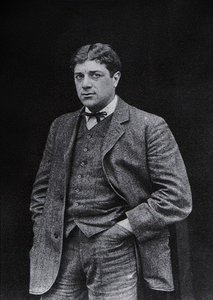
1882–1963, Francie
Georges Braque
Raný život, rodina a vzdělání Georges Braque se narodil v roce 1882 ve francouzském Argenteuili. Jeho první roky života uplynuly ve Le Havru, v domácnosti, kterou definovaly praktické aspekty dekorace a práce s barvami. Vyrostl v rodině malířů a dekoračních řemeslníků, což ho již od útlulí ponořilo do hmatatelné reality jeho řemesla. Toto výchovné prostředí mu poskytlo pevný základ technické zručnosti a řemeslné preciznosti, které později zásadně ovlivnily jeho přístup k plátnu.
Také od autora Georges Braque
 Mandolina1910
 Muž s kytarou1914
 Domy v L’estaquu
 Harbor v Normansku1909
Eseje k tématu Fox
 Georges Braque: The Architect of Form and the Soul of Cubist RevolutionExplore the profound legacy of Georges Braque, a master of Cubism. Discover how his technical craftsmanship and collaboration with Picasso …
 Mastering Cubism: The Top 25 Essential Georges Braque ArtworksJourney through the revolutionary world of Georges Braque. Explore 25 iconic Cubist masterpieces, from geometric abstractions to Fauvist co…
 From Cézanne to Cubism: The Revolutionary Evolution of Modern Art's Structural VisionExplore the profound transition from Cézanne’s structural Post-Impressionism to the revolutionary fractured forms of Cubism. A sophisticate…