German Expressionism · 1914
Fighting Forms (Franz Marc, 1914)
Franz Marc (1880–1916) vytvořil dílo Fighting Forms. Pochází z roku 1914. Patří k hnutí German Expressionism. Je vyrobeno z Oil On Canvas. Nachází se v Bayerische Staatsgemäldesammlungen v Mnichov, Německo. Rozměry jsou 91 × 131 cm.
- 1914
- Oil On Canvas
- 91 × 131 cm
- Bayerische Staatsgemäldesammlungen, Mnichov

 Náhled v interiéru

 Ručně malovaná olejná reprodukce
 Sdílet
 Sdílet
 Informační list pro studenty


 Stáhnout
 Podobné položky
 Rentgenové snímky
 Slideshow
 Otázky a odpovědi

 Statistiky
Fighting Forms v kostce
- Název díla
- Fighting Forms
- Autor
- Franz Marc (1880–1916)
- Rok narození umělce
- Mnichov, Německo
- Datum vytvoření
- 1914
- Technika
- Oil On Canvas
- Rozměry
- 91 × 131 cm
- Kde jej vidět
- Bayerische Staatsgemäldesammlungen, Mnichov, Německo
- Pohyb
- German Expressionism
- Motiv
- expressionism, conflict, red, black, animals, anxiety
Co przedstawuje dílo Fighting Forms?
A Symphony of Conflict: Unpacking the Power of Franz Marc’s *Fighting Forms*
Franz Marc's 1914 painting, *Fighting Forms*, isn’t merely a visual representation; it’s an intensely felt experience. Created during a period of escalating anxieties surrounding the impending First World War, this work embodies the core tenets of Expressionism – a movement dedicated to conveying subjective emotions and inner turmoil rather than objective reality. Marc, a founding member of Der Blaue Reiter, sought to capture not just what he saw, but how he *felt*, channeling his spiritual concerns into a language of vibrant color and dynamic form. The painting immediately confronts the viewer with a swirling vortex of red and black, hues that instinctively evoke danger, struggle, and perhaps even death. Yet, within this apparent chaos lies a profound sense of yearning – a desperate plea for understanding amidst the looming darkness.
- The Palette of Emotion: Marc’s masterful use of color is paramount. The dominant reds represent aggression, violence, and the destructive forces threatening to consume humanity. These fiery tones are juxtaposed with the darker blacks and browns, symbolizing the unknown, the unconscious, and the inevitable consequences of conflict.
- Animal as Symbol: As a lifelong devotee of the animal kingdom, Marc frequently employed them as symbolic figures in his work. While not explicitly depicted here, the forms themselves suggest a primal struggle – a dance between predator and prey, life and death. This connection to the natural world provides a grounding element within the painting’s emotional intensity.
Deconstructing Abstract Forms: A Language of Tension
The composition of *Fighting Forms* is deliberately abstract, eschewing realistic representation in favor of conveying raw emotion. The swirling shapes aren't meant to depict specific objects or figures; instead, they embody the very essence of conflict – a chaotic interplay of opposing forces. Marc’s brushwork is loose and gestural, emphasizing movement and energy over precise detail. Notice how the lines seem to vibrate with an almost palpable tension, mirroring the anxieties of the era. The painting feels less like a static image and more like a captured moment of intense emotional upheaval – a visual representation of a battle waged not just on the battlefield, but within the human psyche.
Technique & Materials: Executed in oil on canvas, Marc’s technique is characterized by bold strokes and an expressive application of paint. The layering of colors creates depth and dynamism, while the loose brushwork contributes to the painting's overall sense of movement and urgency.Historical Context: A Precursor to War
To fully appreciate *Fighting Forms*, it’s crucial to understand its creation within the context of 1914. Europe was teetering on the brink of war, and Marc, like many artists of his time, felt a deep sense of foreboding. His work reflects this anxiety – not through explicit depictions of warfare, but through an exploration of the underlying emotions that fueled it: fear, uncertainty, and the potential for destruction. *Fighting Forms* can be seen as a visual meditation on the fragility of peace and the ever-present threat of violence. It’s a poignant reminder of how art can serve as a powerful reflection of its time.
A Legacy of Emotional Resonance
Franz Marc's *Fighting Forms* remains a profoundly moving work of art, continuing to resonate with viewers over a century later. Its abstract forms and emotionally charged colors capture the anxieties of a turbulent era while simultaneously offering a glimpse into the artist’s deeply held spiritual beliefs. Reproductions of this powerful painting offer an opportunity to bring its intensity into any space, prompting contemplation on themes of conflict, spirituality, and the enduring human condition. Consider how the vibrant hues might transform a room – injecting it with a sense of urgency and introspection.
Ve kterém muzeu se nachází Fighting Forms?
Bayerische Staatsgemäldesammlungen
Mnichov, Německo
Historie Bayerische Staatsgemäldesammlungen Kořeny Bayerische Staatsgemäldesammlungen sahají až do roku 1799, kdy byla založena instituce Centralgemäldegaleriedirektion. Tato instituce, sídlící v Mnichově v Německu, vznikla původně jako pečlivě kurátorovaný prostor určený pro královské sbírky. Tento raný účel odráží dobu, kdy byla umění držena v soukromých sférách šlechty, než se transformovala v bohatý veřejný zdroj, který známe dnes.


Vysokorozlišené fotografie díla Fighting Forms

Franz Marc, Fighting Forms (1914).
Franz Marc (1880–1916), Fighting Forms, 1914, oil on canvas, Bayerische Staatsgemäldesammlungen, Mnichov, Německo. Veřejná doména Obrázek: OriginalUniqueArt.com.
Odpovědi na otázky k dílu Fighting Forms
Kde mohu vidět originál díla „Fighting Forms“ od Franz Marc?
Originál díla „Fighting Forms“ si můžete prohlédnout v instituci Bayerische Staatsgemäldesammlungen, Mnichov, Německo.
V jakém roce vzniklo dílo "Fighting Forms"?
Vznik díla „Fighting Forms“ od Franz Marc se datuje do roku 1914.
Jakou technikou je vytvořeno dílo "Fighting Forms"?
Technikou díla „Fighting Forms“ od Franz Marc je Oil On Canvas. Reprodukce mají za cíl věrně zachytit vzhled této techniky.
Jaké jsou rozměry originálu díla „Fighting Forms“ od Franz Marc?
Původní rozměry díla "Fighting Forms" jsou 91 x 131 cm. Původní rozměry slouží jako užitečný vodítko při výběru velikosti reprodukce.
Jaká témata se objevují v díle „Fighting Forms“ od Franz Marc?
Témata obsažená v díle „Fighting Forms“ od Franz Marc zahrnují expressionism, conflict, red, black, animals, anxiety, war, forms. Tato témata společně shrnují obsah celého uměleckého díla.
Lze obraz díla „Fighting Forms“ od Franz Marc volně reprodukovat?
Co se týče autorských práv, dílo "Fighting Forms" spadá do v rámci volného užití – autorská práva vypršela.
K kterému umělci je dílo "Fighting Forms" připisováno?
Dílo "Fighting Forms" se připisuje autorovi Franz Marc.
K kterému uměleckému směru patří „Fighting Forms“ od Franz Marc?
„Fighting Forms“ je dílo z období German Expressionism. Tento směr představuje uměleckou tradici, jejíž je dílo součástí.
Do které období tvorby Franz Marc patří dílo „Fighting Forms“?
„Fighting Forms“ představuje období Late Period umělce Franz Marc.
O umělci, Franz Marc

1880–1916, Německo
Franz Marc
Raný život, rodina a vzdělání Franz Marc se narodil v Mnichově v Německu do domácnosti, kde byl vizuální jazyk krajiny již dávno ustálený. Jeho otec, Wilhelm Marc, pracoval jako profesionální krajinář, čímž mu poskytl přímý, byť ne zcela jistý, úvod do mechanismů umění. Tato rodinná vazba znamenala, že nástroje řemesla byly přítomny od samého počátku, přestože Marcova cesta nebyla přímočará cestou od dědictví k plátnu. Než se plně obojel životu malířem, věnoval čas boji s teologií – období duchovního zkoumání, které později určilo intenzitu jeho vizuální tvorby.
Také od autora Franz Marc
 Modrý kůň I1911
 neznámé (4325)
 Velké modré koně1911
 Tyrol1914
Eseje k tématu Fighting Forms
 The Visceral Language of Emotion: Exploring Representations of Intense Feeling in Art HistoryExplore the profound history of emotional representation in art. Discover how masters like Goya evoked feeling & the impact of affect theor…
 25 Masterpieces by Franz Marc: The Soul of German ExpressionismFranz Marc co-founded the Blue Rider movement in Munich. See 25 works including The Large Blue Horses and Tyrol from the era of Expressioni…
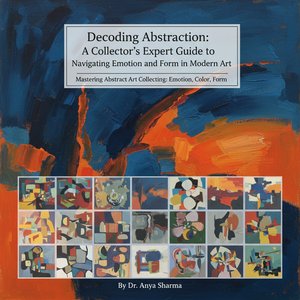 Za hranicemi reprezentace: Dekódování emocí a významů v moderním abstraktním uměníProzkoumejte hluboký svět abstraktního expresionismu a odhalte sílu emocí v dílech Marka Rothka. Odborná analýza, historie a inspirace pro …