Geometric Abstraction · 1954
Study for the (Fernand Léger, 1954)
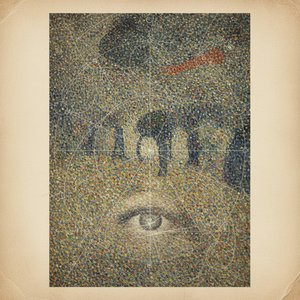
Fernand Léger (1881–1955) vytvořil dílo Study for the . Pochází z roku 1954. Patří k hnutí Geometric Abstraction. Je vyrobeno z Acrylic On Canvas. Nachází se v Museu do Caramulo v Caramulo, Portugalsko. Rozměry jsou 38 × 44 cm.
- 1954
- Acrylic On Canvas
- 38 × 44 cm
- Museu do Caramulo

 Náhled v interiéru

 Ručně malovaná olejná reprodukce
 Sdílet
 Sdílet
 Informační list pro studenty


 Stáhnout
 Podobné položky
 Rentgenové snímky
 Slideshow
 Otázky a odpovědi

 Statistiky
Study for the v kostce
- Název díla
- Study for the
- Autor
- Fernand Léger (1881–1955)
- Rok narození umělce
- Argentan, Francie
- Datum vytvoření
- 1954
- Technika
- Acrylic On Canvas
- Rozměry
- 38 × 44 cm
- Kde jej vidět
- Museu do Caramulo, Caramulo, Portugalsko
- Motiv
- musical performance, geometric forms, modern landscape, instrument ensemble, urban scene, animal presence
Co przedstawuje dílo Study for the ?
A Symphony of Form and Feeling: Exploring Fernand Léger’s “Study for Breakfast”
Fernand Léger's "Study for Breakfast," completed in 1954, transcends mere representation; it embodies the very spirit of Pointillism—a technique championed by Georges Seurat and embraced wholeheartedly by Léger as a means to convey dynamism and immediacy. This unassuming landscape isn’t simply depicted as it appears before our eyes; instead, Léger meticulously constructs it from countless tiny dots of pigment, creating an illusion of depth and texture that defies conventional painting methods. The resulting image pulsates with energy, mirroring the rhythms of daily life—a quiet morning scene rendered with astonishing precision. It's a masterful demonstration of how abstraction can serve as a conduit for emotion and observation simultaneously.- Style: Pointillism – Léger’s signature style prioritizes optical mixing over blending pigments on canvas, resulting in vibrant hues that shimmer and shift subtly under the light.
- Technique: Léger employed a painstaking process of applying dots of color—typically yellow, red, and blue—to build up layers of tonal variation. This method demanded immense patience and meticulous attention to detail, reflecting Léger’s unwavering commitment to his artistic vision.
Historical Context: Embracing Modernity Amidst Postwar Uncertainty
Created in the aftermath of World War II, “Study for Breakfast” speaks to a broader cultural preoccupation with rebuilding and redefining beauty after devastation. Léger’s stylistic choices—the geometric abstraction and the deliberate fragmentation of form—were deliberately antithetical to the prevailing artistic trends of his time, signaling a rejection of Impressionism's focus on fleeting sensations and an embrace of the machine age’s influence on visual perception. This bold stance positioned Léger as a pioneer of abstract expressionism, anticipating developments that would reshape the landscape of 20th-century art.Symbolic Resonance: The Quiet Power of Observation
Despite its apparent simplicity, “Study for Breakfast” is laden with symbolic significance. Léger’s use of dots—representing individual particles and conveying movement—suggests a fascination with scientific principles and an attempt to capture the underlying order of nature. The muted palette contributes to a mood of contemplative serenity, inviting viewers to contemplate the beauty found in everyday moments. It's a subtle reminder that even amidst turbulent times, art can offer solace and inspire wonder.Emotional Impact: Capturing Essence Through Precision
Ultimately, Léger’s “Study for Breakfast” succeeds in conveying an emotional resonance far exceeding its visual surface. The artist doesn’t aim to evoke sentimental feelings but rather to distill the essence of a scene—the feeling of warmth, light, and stillness—into a meticulously crafted composition. This achievement underscores Léger's profound understanding of how abstraction can communicate complex ideas and sensations with remarkable effectiveness. It remains an enduring testament to his artistic genius and a captivating example of Pointillist artistry.Ve kterém muzeu se nachází Study for the ?
Museu do Caramulo
Caramulo, Portugalsko
A Symphony of Steel and Soul Nestled within the verdant, undulating hills of the Serra do Caramulo in central Portugal, the Museu do Caramulo emerges as a breathtaking paradox, a sanctuary where the precision of mechanical engineering meets the profound depth of human creativity. This is not merely a repository for relics; it is a living dialogue between two seemingly disparate worlds. Founded by the visionary brothers Abel and João de Lacerda, the museum stands as a testament to a shared passion that refused to see boundaries between the roar of an engine and the silent grace of a brushstroke.


Vysokorozlišené fotografie díla Study for the

Fernand Léger, Study for the (1954), Museu do Caramulo. Veřejná doména
Odpovědi na otázky k dílu Study for the
Kde je dnes možné vidět dílo „Study for the“ od Fernand Léger?
Originál díla „Study for the“ od Fernand Léger je uložen v instituci Museu do Caramulo, Caramulo, Portugalsko. Reprodukce však umožňuje toto dílo vystavit i ve vašem domově.
V jakém roce vzniklo dílo "Study for the"?
Vznik díla „Study for the“ od Fernand Léger se datuje do roku 1954.
V jaké technice je vytvořeno dílo „Study for the“ od Fernand Léger?
Technikou díla „Study for the“ od Fernand Léger je Acrylic On Canvas. Reprodukce mají za cíl věrně zachytit vzhled této techniky.
Jaké jsou rozměry originálu díla „Study for the“ od Fernand Léger?
Původní rozměry díla "Study for the" jsou 38 x 44 cm. Původní rozměry slouží jako užitečný vodítko při výběru velikosti reprodukce.
Co zachycuje dílo "Study for the"?
Motivy díla „Study for the“ jsou musical performance, geometric forms, modern landscape, instrument ensemble, urban scene, animal presence, domestic setting, pointillism technique.
Je dílo „Study for the“ volné z autorských práv?
Stav autorských práv pro dílo „Study for the“ od Fernand Léger: toto dílo spadá do v rámci volného užití – autorská práva vypršela. To určuje, zda lze volně vytvářet reprodukce tohoto obrazu.
Kdo je autorem díla "Study for the"?
Dílo "Study for the" se připisuje autorovi Fernand Léger.
K kterému uměleckému směru patří „Study for the“ od Fernand Léger?
Dílo „Study for the“ od Fernand Léger patří k období směru Geometric Abstraction, který dílu dodává jeho stylistický kontext.
Do které období tvorby Fernand Léger patří dílo „Study for the“?
Dílo „Study for the“ pochází z období Mature Period v tvorbě umělce Fernand Léger. Tato klasifikace dílo zasazuje do kontextu vývoje jeho tvůrčí dráhy.
O umělci, Fernand Léger

1881–1955, Francie
Fernand Léger
Život Fernanda Légera Příběh Fernanda Légera začíná v obci Argentan, která leží v departementu Orne v Dolní Normandii. Na svět přišel 4. února 1881 jako jediný syn. Jeho raná léta byla formována klidem francouzského venkova a přítomností jeho matky, Marie-Adèle Daunou.
Také od autora Fernand Léger
 Město1919
 Mechanik1920
 Tři ženy1921
 Nudy ve Výšinném lese1910

Eseje k tématu Study for the
 Průmyslová estetika v umění: 10 ikonických děl pro váš interiérProzkoumejte 10 ikonických děl, která zachycují sílu a estetiku průmyslové revoluce. Od Monetových továren po realistické scény Maneta – ob…
 Georges Seurat: Pointillism, Perception & the Scientific Foundations of Modern ArtExplore the revolutionary art of Georges Seurat and the science behind Pointillism. Discover chromoluminarism, optical mixing, and the last…
 Mastering the Machine Age: The Top 25 Fernand Léger ArtworksImmerse yourself in the vibrant world of Fernand Léger. Explore 25 iconic masterpieces of Cubism and Tubism, from bold geometric forms to m…