Impressionism
untitled (113) (Claude Monet)
Claude Monet (1840–1926) vytvořil dílo untitled (113). Patří k hnutí Impressionism. Je vyrobeno z Oil On Canvas.
- Oil On Canvas

 Náhled v interiéru

 Ručně malovaná olejná reprodukce
 Sdílet
 Sdílet
 Informační list


 Stáhnout
 Podobné položky
 Rentgenové snímky
 Slideshow
 Otázky a odpovědi

 Statistiky
untitled (113) v kostce
- Název díla
- untitled (113)
- Autor
- Claude Monet (1840–1926)
- Rok narození umělce
- Paříž, Francie
- Technika
- Oil On Canvas
- Pohyb
- Impressionism
- Období
- 19th Century
- Motiv
- woman, bed, veil, knife, light, landscape
Co przedstawuje dílo untitled (113)?
A Fragment of Impressionistic Reverie: Unpacking Claude Monet’s Untitled (113)
Claude Monet's “Untitled (113),” painted in 1907, embodies the very essence of Impressionism—a deliberate rejection of academic conventions in favor of capturing the immediacy and subjective experience of a particular moment. This seemingly simple monochrome depiction holds profound artistic significance, reflecting not only Monet’s masterful technique but also the broader intellectual currents shaping European art at the turn of the century.
- Subject Matter: The painting presents a woman reclining in bed, enveloped by drapery and partially obscured by a sheet. This deliberate ambiguity invites contemplation about privacy, vulnerability, and perhaps even hidden emotions—themes prevalent in Impressionist explorations of human psychology.
- Style & Technique: Monet’s signature style is evident in the loose brushstrokes characteristic of plein air painting. The artist eschewed meticulous detail, prioritizing instead the transmission of light and color onto canvas. Thick impasto creates textural surfaces that capture the subtle nuances of illumination, mirroring the fleeting beauty of natural landscapes.
- Historical Context: Painted during Monet’s prolific period at Giverny—his garden transformed into a haven for experimentation—the artwork speaks to the broader artistic movement concerned with documenting sensory perceptions. Impressionism arose as a reaction against Romantic idealism, asserting that art should strive to represent reality as it is perceived by the eye rather than imposing preconceived notions of beauty.
Symbolic Layers Beneath Surface Calm
Beyond its visual aesthetic, “Untitled (113)” possesses symbolic resonance. The woman’s veiled posture suggests concealment—perhaps representing secrets unspoken or emotions suppressed. Simultaneously, the presence of a knife nearby introduces an unsettling element, hinting at potential danger or disruption within this tranquil scene. This juxtaposition underscores Monet's ability to convey complex psychological states through deceptively understated imagery.
- The Veil: Traditionally associated with modesty and concealment, the veil symbolizes privacy and introspection—elements central to Impressionist interest in portraying inner life alongside external observation.
- The Knife: Often interpreted as representing violence or disruption, the knife’s placement disrupts the serene composition, prompting viewers to consider darker interpretations of human experience. It serves as a counterpoint to the woman's repose, suggesting an underlying tension.
Light and Texture: Monet’s Pursuit of Impressionistic Ideal
Monet’s meticulous attention to light—a cornerstone of Impressionism—is palpable in “Untitled (113).” The artist skillfully captures the diffused glow emanating from unseen sources, creating a luminous atmosphere that envelops the figure. Furthermore, the textured surface achieved through thick impasto enhances the visual impact, conveying the materiality of the canvas and mirroring the tactile qualities of natural surfaces.
- Impasto Technique: Monet’s deliberate layering of paint—creating ridges and peaks on the canvas—was revolutionary for its time. It prioritized capturing the physicality of light and color rather than achieving photographic realism.
- Color Palette: The predominantly monochrome palette contributes to the painting's contemplative mood, emphasizing tonal variations and subtle gradations of gray—a technique favored by Monet in his later works.
Emotional Resonance & Artistic Legacy
"Untitled (113)" transcends mere visual representation; it invites viewers into a realm of emotion and psychological exploration. Like many of Monet’s masterpieces, it captures the elusive beauty of fleeting moments—a testament to his unwavering commitment to portraying subjective experience. Its enduring appeal lies in its ability to provoke contemplation about identity, vulnerability, and the complexities of human consciousness—themes that continue to resonate with audiences today.
Vysokorozlišené fotografie díla untitled (113)
Claude Monet, untitled (113). Veřejná doména
Odpovědi na otázky k dílu untitled (113)
V jaké technice je vytvořeno dílo „untitled (113)“ od Claude Monet?
Technikou díla „untitled (113)“ od Claude Monet je Oil On Canvas. Reprodukce mají za cíl věrně zachytit vzhled této techniky.
Jaká témata se objevují v díle „untitled (113)“ od Claude Monet?
Témata obsažená v díle „untitled (113)“ od Claude Monet zahrnují woman, bed, veil, knife, light, landscape, mystery. Tato témata společně shrnují obsah celého uměleckého díla.
Lze obraz díla „untitled (113)“ od Claude Monet volně reprodukovat?
Stav autorských práv pro dílo „untitled (113)“ od Claude Monet: toto dílo spadá do v rámci volného užití – autorská práva vypršela. To určuje, zda lze volně vytvářet reprodukce tohoto obrazu.
K kterému umělci je dílo "untitled (113)" připisováno?
Autorem díla „untitled (113)“ je Claude Monet. Práce je v katalogu uvedena pod jménem Claude Monet.
K jakému stylu patří „untitled (113)“?
Dílo „untitled (113)“ od Claude Monet patří k období směru Impressionism, který dílu dodává jeho stylistický kontext.
Do které éry tvorby Claude Monet spadá dílo "untitled (113)"?
„untitled (113)“ představuje období Mature Period umělce Claude Monet.
Jak lze vysvětlit situaci s autorskými právy u díla „untitled (113)“ od Claude Monet?
Dílo „untitled (113)“ od Claude Monet spadá do v rámci volného užití – autorská práva vypršela. Autorská práva se počítají od roku úmrtí autora; Claude Monet zemřel(a) v roce 1926.
Jaké místo v tvorbě umělce Claude Monet zaujímá dílo "untitled (113)"?
„untitled (113)“ patří k dílu Claude Monet v rámci směru Impressionism, jehož typická témata zahrnují light capture, symbolic imagery, quiet reflection, landscape vision, monet legacy.
Jaké je místo díla „untitled (113)“ mezi opakovanými tématy umělce Claude Monet?
Mezi zaznamenaná témata umělce Claude Monet – tedy light capture, symbolic imagery, quiet reflection, landscape vision, monet legacy – přináší dílo „untitled (113)“ specifické zaměření na woman, bed, veil, knife, light, landscape, mystery.
O umělci, Claude Monet
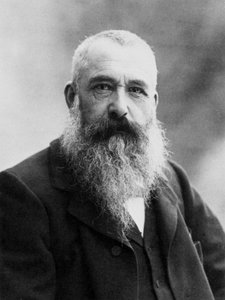
1840–1926, Francie
Claude Monet
Raný život, rodina a vzdělání Claude Monet se narodil 14. listopadu 1840 v Paříži ve Francii a vstoupil do světa plného rozporuplných očekávání. Zatímco jeho otec, Claude-Adolphe Monet, viděl pro svého syna spíše stabilní profesní dráhu, jeho matka, Louise-Justine Aubrée Monet, mu poskytovala tichou oporu v jeho rostoucích tvůrčích sklonnostech. Rodina se nakonec usadila v Le Havru v Normandii, kde pobřežní atmosféra zanechala na mladém chlapci nezastupitelnou stopu.
Také od autora Claude Monet
 Lekníny (nebo Vodní lilie)1916
 Impression, východ slunce1872
 Sena: Sněhový efekt1891
 Výlet. Žena s plachtou1875
Eseje k tématu untitled (113)
 Capturing Light: The Technical Revolution of Claude Monet and ImpressionismExplore the technical mastery of Monet and Impressionist light through expert analysis. Discover the science behind the brushstroke now.
 Capturing Light: The Revolutionary Legacy of Claude Monet and the Impressionist MastersDiscover the luminous revolution of Claude Monet and the Impressionist masters. Explore an expert journey through light, color, and the end…
 The White Veil: From Sacred Rituals to the Stillness of Impressionist LandscapesExplore the profound symbolism of the veil from sacred rituals to Impressionist landscapes. Discover the art of concealment and revelation.