Romantic Industrialization · 1823
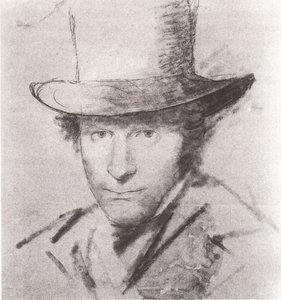
Self-Portrait (Carl Blechen, 1823)
Carl Blechen (1798–1840) vytvořil dílo Self-Portrait. Pochází z roku 1823. Patří k hnutí Romantic Industrialization. Je vyrobeno z Acrylic. Nachází se v Národní galerie v Berlíně v Berlín, Německo. Rozměry jsou 26 × 20 cm.
- 1823
- Acrylic
- 26 × 20 cm
- Národní galerie v Berlíně

 Náhled v interiéru

 Ručně malovaná olejná reprodukce
 Sdílet
 Sdílet
 Informační list


 Stáhnout
 Podobné položky
 Rentgenové snímky
 Slideshow
 Otázky a odpovědi

 Statistiky
Self-Portrait v kostce
- Název díla
- Self-Portrait
- Autor
- Carl Blechen (1798–1840)
- Rok narození umělce
- Chotěbuz, Německo
- Datum vytvoření
- 1823
- Technika
- Acrylic
- Rozměry
- 26 × 20 cm
- Kde jej vidět
- Národní galerie v Berlíně, Berlín, Německo
- Motiv
- self-portrait, landscape painting, romanticism, german art, baroque style, artist’s vision
Co przedstawuje dílo Self-Portrait?
A Visionary Encounter with Industry’s Dawn
- Subject Matter: This striking self-portrait by Carl Blechen captures a contemplative gaze directed downwards, presenting an image of intellectual introspection amidst the burgeoning industrial landscape. The artist's posture exudes seriousness and thoughtfulness—a deliberate contrast to the prevailing Romantic preoccupation with sublime landscapes.
- Style: Blechen’s work exemplifies the Romantic Industrialization movement, marking a pivotal shift away from traditional artistic conventions. While rooted in Romantic ideals of emotion and imagination, he simultaneously confronts the realities of industrial progress with unflinching honesty. The portrait eschews idealized beauty for a psychologically nuanced depiction.
- Technique: Executed in black and white lithograph printing, Blechen skillfully employs tonal gradation to convey depth and texture. Lithography, a relatively new technique at the time, allowed for precise reproductions of detail—a testament to Blechen’s artistic vision and his willingness to experiment with innovative methods.
- Historical Context: Created in 1823, this portrait emerged during a period of intense social and intellectual ferment. The Industrial Revolution was reshaping Europe, prompting artists like Blechen to grapple with questions of modernity, alienation, and the human condition. It reflects a broader artistic dialogue concerning how nature and humanity coexist within an evolving world.
- Symbolism: Beyond its formal representation, the self-portrait carries symbolic weight. The downward gaze suggests introspection and contemplation—a desire to reconcile Romantic idealism with the tangible pressures of industrial society. Furthermore, the suit symbolizes professionalism and social responsibility, mirroring Blechen’s own aspirations as he navigated his artistic career.
Lithograph Printing: A Revolutionary Medium
The choice of lithograph printing was particularly significant for Blechen's time. Unlike oil paints or watercolor—the dominant mediums of the Romantic era—lithography offered unparalleled precision and tonal control. Developed in France during the preceding decade, it allowed artists to achieve photographic realism without resorting to camera obscura techniques. This method ensured that Blechen’s portrait would retain its intricate detail and expressive atmosphere for generations to come.Romantic Industrialization: Bridging Imagination and Reality
Blechen's artistic trajectory represents a fascinating intersection between Romantic idealism and the burgeoning realities of industrialization. While acknowledging the sublime beauty of nature—a hallmark of Romantic art—he simultaneously recognized its vulnerability to encroachment by technological advancements. This duality is powerfully conveyed in his self-portrait, prompting viewers to consider the complexities inherent in reconciling aesthetic ideals with societal transformations.Emotional Resonance: A Portrait of Quiet Contemplation
Ultimately, Blechen’s self-portrait transcends mere visual representation; it communicates a profound emotional resonance. The artist's gaze—directed downwards—suggests a preoccupation with internal reflection and a yearning for understanding amidst the turbulent currents of his era. It invites contemplation on themes of identity, purpose, and the enduring human spirit—a timeless message that continues to captivate audiences today.Ve kterém muzeu se nachází Self-Portrait?
Národní galerie v Berlíně
Berlín, Německo
Historie Národní galerie v Berlíně Národní galerie v Berlíně je nedílnou součástí berlínských státních muzeí. Její kořeny sahají až k původní sbírce známé jako Wagenersche und Nationalgalerie, která položila základy pro vznik rozsáhlého archivu věnovaného umění 19., 20. a 21.


Vysokorozlišené fotografie díla Self-Portrait

Carl Blechen, Self-Portrait (1823), Národní galerie v Berlíně. Veřejná doména
Odpovědi na otázky k dílu Self-Portrait
Kde je dnes možné vidět dílo „Self-Portrait“ od Carl Blechen?
Originál díla „Self-Portrait“ od Carl Blechen je uložen v instituci Národní galerie v Berlíně, Berlín, Německo. Reprodukce však umožňuje toto dílo vystavit i ve vašem domově.
V jakém roce vzniklo dílo „Self-Portrait“ od Carl Blechen?
Dílo "Self-Portrait" pochází z roku 1823. Toto datum situuje dílo do období tvůrčí činnosti Carl Blechen i do jeho dobové kontextu.
Jakou technikou je vytvořeno dílo "Self-Portrait"?
Technikou díla „Self-Portrait“ od Carl Blechen je Acrylic. Reprodukce mají za cíl věrně zachytit vzhled této techniky.
Jaké jsou skutečné rozměry díla „Self-Portrait“ od Carl Blechen?
Rozměry originálního díla „Self-Portrait“ od Carl Blechen jsou 26 x 20 cm.
Co zachycuje dílo "Self-Portrait"?
Motivy díla „Self-Portrait“ jsou self-portrait, landscape painting, romanticism, german art, baroque style, artist’s vision, psychological depth.
Lze obraz díla „Self-Portrait“ od Carl Blechen volně reprodukovat?
Co se týče autorských práv, dílo "Self-Portrait" spadá do v rámci volného užití – autorská práva vypršela.
Kdo je autorem díla "Self-Portrait"?
Autorem díla „Self-Portrait“ je Carl Blechen. Práce je v katalogu uvedena pod jménem Carl Blechen.
K kterému uměleckému směru patří „Self-Portrait“ od Carl Blechen?
„Self-Portrait“ je dílo z období Romantic Industrialization. Tento směr představuje uměleckou tradici, jejíž je dílo součástí.
Do jaké fáze tvůrčího rozvoje Carl Blechen patří dílo „Self-Portrait“?
„Self-Portrait“ představuje období Early Romanticism umělce Carl Blechen.
O umělci, Carl Blechen
1798–1840, Německo
Carl Blechen
Průkopník romantické industrializace: Život a dílo Carla Blechena Carl Eduard Ferdinand Blechen, narozený v Cottbusu v roce 1798, zaujímá jedinečné a často přehlížené místo v tradici krajinomalby. Jeho život byl poznamenán jak uměleckou brilancí, tak osobními trápeními – dualitou, která hluboce ovlivnila jeho sugestivní a průlomové dílo. Původně předurčen k pragmatické kariéře v bankovnictví kvůli rodinným finančním omezením, Blechenovy vrozené umělecké sklony nakonec zvítězily. V roce 1822 zahájil studia na Berlínské akademii výtvarných umění a vydal se cestou, která z něj učinila jednoho z prvních umělců, kteří se potýkali s estetickými výzvami – a možnostmi – spojenými s ranou industrializací.
Také od autora Carl Blechen
 Sanssouci Palace1830
 The Interior of the Palm House on the Pfaueninsel Near Potsdam1834
 Tarantella1830
 Afternoon on Capri1829
Eseje k tématu Self-Portrait
 The Echo of Self: Reflectivity as a Core Theme in Art History & Contemporary PracticeExplore the rich history of self-representation in art, from Renaissance masters to modern innovators. Discover how artists use portraiture…
 The Inner Landscape: Exploring Themes of Introspection in Visual Art Across Movements & ErasExplore the captivating world of introspective art! Discover how artists across eras – from Rembrandt to Kahlo – used self-portraiture to r…
 Romantic Realism's Finest: 10 Masterpieces for Your Home | OriginalUniqueArtExplore 10 defining masterpieces of Romantic Realism! Discover Courbet, Millet & Daumier's powerful paintings—capturing emotion and social …