Fauvism · 1911
Vegetable fields (August Macke, 1911)
August Macke (1887–1914) vytvořil dílo Vegetable fields. Pochází z roku 1911. Patří k hnutí Fauvism. Je vyrobeno z Oil On Canvas. Nachází se v Kunstmuseum Bonn v Bonn, Německo. Rozměry jsou 47 × 64 cm.
- 1911
- Oil On Canvas
- 47 × 64 cm
- Kunstmuseum Bonn

 Náhled v interiéru

 Ručně malovaná olejná reprodukce
 Sdílet
 Sdílet
 Informační list


 Stáhnout
 Podobné položky
 Rentgenové snímky
 Slideshow
 Otázky a odpovědi

 Statistiky
Vegetable fields v kostce
- Název díla
- Vegetable fields
- Autor
- August Macke (1887–1914)
- Rok narození umělce
- Meschede, Německo
- Datum vytvoření
- 1911
- Technika
- Oil On Canvas
- Rozměry
- 47 × 64 cm
- Kde jej vidět
- Kunstmuseum Bonn, Bonn, Německo
- Pohyb
- Fauvism
- Motiv
- rural landscape, haystacks, blue flowers, path, roads, color field
Co przedstawuje dílo Vegetable fields?
August Macke’s ‘Vegetable Fields’: A Fauvist Echo of Rural Melancholy
This captivating oil painting, “Vegetable Fields,” created in 1911 by August Macke, offers a potent glimpse into the burgeoning world of German Expressionism. Measuring 47 x 64 cm, this work transcends a simple depiction of a rural landscape; it’s an intensely felt experience rendered through bold color and simplified forms – hallmarks of the Fauvist movement. Macke, tragically cut short by the First World War at just 27, was already producing art that resonated with a raw emotionality, anticipating the full force of Expressionism while still retaining traces of Impressionist influence.
- Subject Matter: The scene unfolds in a stylized countryside, dominated by haystacks, fields ablaze with blue flowers, and a prominent pathway leading the viewer’s eye into the distance. This isn't a meticulous rendering of reality; rather, it’s an interpretation filtered through Macke’s emotional lens.
- Style & Technique: The painting firmly embraces Fauvist principles – prioritizing color over precise representation. Thick impasto brushstrokes build texture and physicality onto the canvas, creating a vibrant, almost tactile surface. Lines are deliberately expressive, guiding the viewer's gaze and contributing to the overall sense of movement.
Decoding the Emotional Landscape
Macke’s use of color is particularly striking. The dominant blues and greens evoke a feeling of tranquility, yet they’re punctuated by jarring yellows and reds, creating an underlying tension. This deliberate dissonance reflects the anxieties and uncertainties of the era – a world on the cusp of profound change. The flattened perspective, prioritizing emotional impact over realistic spatial illusion, further intensifies this effect. It's as if Macke is inviting us to step into his subjective experience, rather than simply observing a landscape.
- Symbolism: The diverging paths in the distance are rich with symbolic potential, representing choices, journeys, or perhaps the fragmented nature of modern life. The isolated setting contributes to a sense of melancholy, hinting at themes of loneliness and contemplation.
- Historical Context: Created in 1911, “Vegetable Fields” sits squarely within the period of experimentation that preceded the full flowering of German Expressionism. Macke’s work foreshadowed the movement's emphasis on subjective emotion and distorted form, while still retaining a connection to earlier artistic traditions.
A Masterclass in Texture and Light
The painting’s technical brilliance lies not just in its color palette but also in Macke’s masterful manipulation of light and texture. The diffuse lighting suggests an overcast day, eliminating harsh shadows and contributing to the overall mood of quiet contemplation. The thick impasto technique – applying paint thickly to create a textured surface – is particularly evident in the haystacks and fields, adding a remarkable physicality to the composition. This deliberate roughness further emphasizes the emotional intensity of the work.
Collecting this Powerful Image
A hand-painted reproduction of “Vegetable Fields” offers an exceptional opportunity to bring this evocative artwork into your home or office. OriginalUniqueArt’s meticulous reproductions capture the essence of Macke's vision, faithfully recreating the painting’s vibrant colors and expressive brushwork. This piece is more than just a decoration; it’s a window into the soul of a brilliant artist and a poignant reflection on the human condition.
Ve kterém muzeu se nachází Vegetable fields?
Kunstmuseum Bonn
Bonn, Německo
Svatovyně exprese: Duše Kunstmuseum Bonn V historickém srdci Bonnu, ve městě, kde se v powietří stále vznáší ozvěna Beethovenových kompozic, sídlí Kunstmuseum Bonn —hluboké útočiště pro ty, kteří hledají syrovou, emotivní sílu modernismu. Překročit práh této instituce znamená vydat se na cestu skrze turbulentní, a přesto nádhernou psychiku dvacátého století. Zrozeno ze potřeby znovu postavit nejen zdi, ale i kulturní identitu během transformativní éry poválečné obnovy, se muzeum od té doby vyvinulo v globální maják hraničářského (rinského) exprese .

Vysokorozlišené fotografie díla Vegetable fields

August Macke, Vegetable fields (1911), Kunstmuseum Bonn. Veřejná doména
Odpovědi na otázky k dílu Vegetable fields
Kde je dnes možné vidět dílo „Vegetable fields“ od August Macke?
Originál díla „Vegetable fields“ si můžete prohlédnout v instituci Kunstmuseum Bonn, Bonn, Německo.
V jakém roce bylo vytvořeno dílo „Vegetable fields“ od August Macke?
Dílo "Vegetable fields" pochází z roku 1911. Toto datum situuje dílo do období tvůrčí činnosti August Macke i do jeho dobové kontextu.
V jaké technice je vytvořeno dílo „Vegetable fields“ od August Macke?
Technikou díla „Vegetable fields“ od August Macke je Oil On Canvas. Reprodukce mají za cíl věrně zachytit vzhled této techniky.
Jaké jsou skutečné rozměry díla „Vegetable fields“ od August Macke?
Rozměry originálního díla „Vegetable fields“ od August Macke jsou 47 x 64 cm.
Co zachycuje dílo „Vegetable fields“ od August Macke?
„Vegetable fields“ od August Macke zobrazuje: rural landscape, haystacks, blue flowers, path, roads, color field, expressionism, geometric forms.
Je dílo „Vegetable fields“ volné z autorských práv?
Co se týče autorských práv, dílo "Vegetable fields" spadá do v rámci volného užití – autorská práva vypršela.
K kterému umělci je dílo "Vegetable fields" připisováno?
Autorem díla „Vegetable fields“ je August Macke. Práce je v katalogu uvedena pod jménem August Macke.
K kterému uměleckému směru patří „Vegetable fields“ od August Macke?
„Vegetable fields“ je dílo z období Fauvism. Tento směr představuje uměleckou tradici, jejíž je dílo součástí.
Do které období tvorby August Macke patří dílo „Vegetable fields“?
„Vegetable fields“ představuje období Mature Period umělce August Macke.
O umělci, August Macke
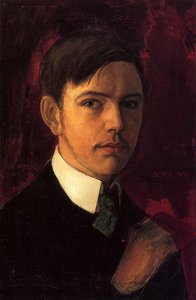
1887–1914, Německo
August Macke
Raný život, rodina a vzdělání Příběh, který napsal August Macke, začíná v německém městě Meschede, kde se 3. ledna 1887 narodil do světa plného barev a neustálého pohybu. Jako jediný syn Augusta Friedricha Hermanna Mackeho, stavebního kontraktora a amatérského umělce, a Marie Florentine, vyrůval v prostředí, které mu bylo osudováno neustálé stěhovování. Proměnlivé štěstí jeho otcovy firmy vyvedlo rodinu nejprve do Kolíše a později do Bonnu.
Také od autora August Macke
 Žena v zeleném kabátu1913
 Ženy koupající se s městem pozadí1913
 Obchod s čepely1913
 Portrait of the Artist's Wife with Hat1909

Eseje k tématu Vegetable fields
 August Macke: Expressionist Visions of Harmony & Modern LifeExplore the vibrant Expressionist paintings of August Macke (1887-1914). Discover his key role in Der Blaue Reiter, Fauvist influences, and…
 Top 10 expresionistických mistrovských děl: Umění a inspirace pro váš domovProzkoumejte 10 ikonických děl expresionismu od Muncha, van Gogha a dalších. Objevte příběhy umělců, techniky a emoce v obrazech. Reprodukc…
 Brushes of Anguish: The Psychological Landscape of Emotional Distress in Post-Impressionist ArtExplore the profound psychological depth of Post-Impressionist masters. Discover how color and form mirror human emotion.