Expressionism · 1913
Circus (August Macke, 1913)
August Macke (1887–1914) vytvořil dílo Circus. Pochází z roku 1913. Patří k hnutí Expressionism. Je vyrobeno z Oil On Canvas. Nachází se v Thyssen-Bornemisza Museum v Madrid, Španělsko. Rozměry jsou 47 × 63.5 cm.
- 1913
- Oil On Canvas
- 47 × 63.5 cm
- Thyssen-Bornemisza Museum, Madrid

 Náhled v interiéru

 Ručně malovaná olejná reprodukce
 Sdílet
 Sdílet
 Informační list


 Stáhnout
 Podobné položky
 Rentgenové snímky
 Slideshow
 Otázky a odpovědi

 Statistiky
Circus v kostce
- Název díla
- Circus
- Autor
- August Macke (1887–1914)
- Rok narození umělce
- Meschede, Německo
- Datum vytvoření
- 1913
- Technika
- Oil On Canvas
- Rozměry
- 47 × 63.5 cm
- Kde jej vidět
- Thyssen-Bornemisza Museum, Madrid, Španělsko
- Pohyb
- Expressionism
- Období
- Modern
- Motiv
- people, figures, horse, red poles, yellow, blue
Co przedstawuje dílo Circus?
Identification of Circus by August Macke
The painting titled Circus was created by the artist August Macke in 1913. This work is executed in oil paint on a canvas. The physical dimensions of the piece are 47 x 63.5cm.
The composition depicts a circus setting through a series of fragmented shapes and geometric facets. Red poles form strong diagonal lines that divide the canvas into various planes. These lines create a sense of depth and movement within the structure. The subject matter includes several figures in circus attire grouped near the center, alongside a white horse positioned in the background.
The color palette utilizes warm yellows, golds, and reds. These tones contrast against cool blues, greens, and whites. Thick, painterly brushstrokes provide a tactile texture across the surface. The lighting is diffused throughout the scene, contributing to a flattened, rhythmic quality within the tent-like arrangement.
Composition and Visual Elements
The composition is structured by strong diagonal lines formed by red poles that divide the canvas into various planes. These lines create a sense of movement and depth within a shallow perspective. In the center, several figures in circus attire are grouped together. A white horse is positioned in the background, providing a focal point behind the central figures. The arrangement of these elements emphasizes a decorative quality within the tent-like structure.
The color palette relies on the contrast between warm and cool tones. Warm yellows, golds, and reds are set against cool blues, greens, and whites. Many of the forms are broken into geometric facets, a technique characteristic of Cubism and Expressionism. Thick, painterly brushstrokes create a tactile surface across the work. The lighting is diffused throughout the scene, with no single clear light source, contributing to a rhythmic and flattened quality.
Related Works by the Artist
The artist's output during this period includes several works that utilize similar geometric structures and color arrangements. In 1913, he produced Promenade and Hussars on a Sortie. These pieces demonstrate a focus on the rhythmic placement of figures within a defined space. Additionally, the 1913 work Coloured Forms I. emphasizes the use of distinct, segmented shapes to organize the composition. These works reflect a consistent interest in how light and form interact through broken planes of color.
Moving into the following year, the artist created Fashion Store in 1914. This work continues the exploration of modern life and the arrangement of objects and figures within a structured environment. The progression of his style shows a steady development in the way he handles the relationship between color and the physical world. His compositions frequently rely on the interplay of light and the division of the canvas into various planes to establish a sense of movement.
Ve kterém muzeu se nachází Circus?
Thyssen-Bornemisza Museum
Madrid, Španělsko
Historie Thyssen-Bornemisza Museum Kořeny Thyssen-Bornemisza Museum leží daleko od jeho současné lokality v Madridu ve Španělsku. Tato sbírka vyvrcholila v Luganu ve Švýcarsku, kde baron Heinrich Thyssen-Bornemisza zahájil svou celoživotní snahu o zachycení evropského uměleckého vrcholu. Jeho cílem byl vědomý akt zachování, snaha ochránit dědictví evropského umění před nestabilitou a vyhnanstvím, které následovalo po první světové válce.


Vysokorozlišené fotografie díla Circus

August Macke, Circus (1913), Thyssen-Bornemisza Museum. Veřejná doména
Odpovědi na otázky k dílu Circus
Které muzeum uchovává originál díla "Circus"?
Originál díla „Circus“ od August Macke je uložen v instituci Thyssen-Bornemisza Museum, Madrid, Španělsko. Reprodukce však umožňuje toto dílo vystavit i ve vašem domově.
V jakém roce vzniklo dílo "Circus"?
Dílo „Circus“ od August Macke vzniklo v roce 1913.
Jakou techniku bylo použito pro dílo „Circus“ od August Macke?
Technikou díla „Circus“ od August Macke je Oil On Canvas. Reprodukce mají za cíl věrně zachytit vzhled této techniky.
Jaké jsou rozměry originálu „Circus“?
Rozměry originálního díla „Circus“ od August Macke jsou 47.0 x 63.5cm.
Co zachycuje dílo "Circus"?
Motivy díla „Circus“ jsou people, figures, horse, red poles, yellow, blue, white, tent.
Patří „Circus“ od August Macke do volného tisku?
Stav autorských práv pro dílo „Circus“ od August Macke: toto dílo spadá do v rámci volného užití – autorská práva vypršela. To určuje, zda lze volně vytvářet reprodukce tohoto obrazu.
Kdo je autorem díla "Circus"?
Autorem díla „Circus“ je August Macke. Práce je v katalogu uvedena pod jménem August Macke.
K jakému stylu patří „Circus“?
„Circus“ je dílo z období Expressionism. Tento směr představuje uměleckou tradici, jejíž je dílo součástí.
Do které éry tvorby August Macke spadá dílo "Circus"?
Dílo „Circus“ pochází z období Mature Period v tvorbě umělce August Macke. Tato klasifikace dílo zasazuje do kontextu vývoje jeho tvůrčí dráhy.
O umělci, August Macke
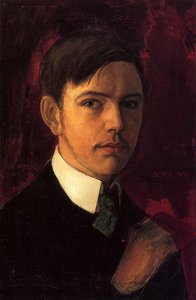
1887–1914, Německo
August Macke
Raný život, rodina a vzdělání Příběh, který napsal August Macke, začíná v německém městě Meschede, kde se 3. ledna 1887 narodil do světa plného barev a neustálého pohybu. Jako jediný syn Augusta Friedricha Hermanna Mackeho, stavebního kontraktora a amatérského umělce, a Marie Florentine, vyrůval v prostředí, které mu bylo osudováno neustálé stěhovování. Proměnlivé štěstí jeho otcovy firmy vyvedlo rodinu nejprve do Kolíše a později do Bonnu.
Také od autora August Macke
 Žena v zeleném kabátu1913
 Ženy koupající se s městem pozadí1913
 Obchod s čepely1913
 Portrait of the Artist's Wife with Hat1909

Eseje k tématu Circus
 Comparing Der Blaue Reiter and Die Brücke: Two Paths of German ExpressionismMaster the differences between Die Brücke and Der Blaue Reiter. Explore the roots of German Expressionism now.
 August Macke: Expressionist Visions of Harmony & Modern LifeExplore the vibrant Expressionist paintings of August Macke (1887-1914). Discover his key role in Der Blaue Reiter, Fauvist influences, and…
 Orphism vs Synchromism: Distinguishing Color, Light, and FormMaster the distinction between Orphism and Synchromism through expert analysis of color and form. Explore the roots of abstraction now.