Baroque Art · 1604
Triptych (Annibale Carracci, 1604)
Annibale Carracci (1560–1609) vytvořil dílo Triptych. Pochází z roku 1604. Patří k hnutí Baroque Art. Nachází se v Galleria Nazionale d'Arte Antica v Řím, Itálie. Rozměry jsou 37 × 24 cm.
- 1604
- 37 × 24 cm
- Galleria Nazionale d'Arte Antica, Řím

 Náhled v interiéru

 Ručně malovaná olejná reprodukce
 Sdílet
 Sdílet
 Informační list pro studenty


 Stáhnout
 Podobné položky
 Rentgenové snímky
 Slideshow
 Otázky a odpovědi

 Statistiky
Triptych v kostce
- Název díla
- Triptych
- Autor
- Annibale Carracci (1560–1609)
- Rok narození umělce
- Bologna, Itálie
- Datum vytvoření
- 1604
- Rozměry
- 37 × 24 cm
- Kde jej vidět
- Galleria Nazionale d'Arte Antica, Řím, Itálie
- Pohyb
- Baroque Art
- Motiv
- triptych, annibale carracci, baroque, angels, allegory, copper
Co przedstawuje dílo Triptych?
Annibale Carracci’s Triptych: A Baroque Masterpiece of Light, Faith, and Divine Order
Annibale Carracci's 1604 Triptych, currently housed within the Galleria Nazionale d'Arte Antica in Rome, stands as a pivotal example of the burgeoning Baroque style. More than simply a religious depiction, it’s a carefully orchestrated symphony of light, color, and symbolism—a testament to the artist’s mastery of composition and his deep understanding of both classical ideals and emerging emotional expression. This oil-on-copper painting, measuring 37 x 24 cm, invites viewers into a world where earthly beauty intertwines with divine grace, offering a profound meditation on faith, knowledge, and the very nature of existence.
Composition and Symbolism: A Dance of Allegory and Divine Presence
The triptych format itself is deeply rooted in religious tradition, allowing for a layered narrative to unfold. The central panel immediately draws the eye to an angelic figure, radiating serenity and holding aloft a book—a potent symbol of both Holy Scripture and the pursuit of divine knowledge. Surrounding this central emblem are cherubs, their youthful innocence adding a touch of ethereal joy to the scene. The left and right panels introduce allegorical figures engaged in distinct activities: one grasping a scroll or document, representing wisdom and law, while the other holds an object suggestive of power and authority. These flanking scenes aren’t merely decorative; they serve as crucial contextual elements, enriching the central theme with layers of meaning and inviting contemplation on the foundations of faith and governance.
Technique and Artistic Innovation: A Synthesis of Renaissance and Baroque
Carracci's skill is evident in every meticulously rendered detail. The use of light and shadow—a hallmark of Baroque art—is particularly striking, creating a dynamic sense of movement and emotion within the painted space. Notice how the light seems to emanate from an unseen source, illuminating the figures with a radiant glow while simultaneously casting deep shadows that heighten their three-dimensionality. The artist’s mastery extends beyond mere technique; he seamlessly blends elements of Florentine linear draftsmanship—inherited from his artistic lineage—with Venetian color and atmospheric effects, creating a unique style that revitalized Italian painting. The copper panel itself contributes to the work's luminosity, reflecting light in subtle ways that enhance its visual impact. The intricate details – the folds of the garments, the texture of hair, the play of light on skin – demonstrate an extraordinary level of observation and artistic control.
Historical Context and Artistic Legacy: A Bridge Between Eras
Annibale Carracci emerged from a vibrant artistic community in Bologna during the late 16th century, a period marked by a desire to move beyond the constraints of Mannerism. Alongside his brother Agostino and cousin Ludovico, he spearheaded the Accademia degli Incamminati, an institution dedicated to reviving High Renaissance ideals while embracing a more naturalistic approach. This ambitious project aimed to re-establish Italy as a leading force in European art. Carracci’s Triptych exemplifies this spirit of innovation, bridging the gap between the classical past and the emerging Baroque style. His work profoundly influenced subsequent generations of artists, shaping the course of Italian painting for decades to come, and continues to inspire awe and admiration today. As a masterpiece of Italian art, it stands as a powerful reminder of the enduring beauty and spiritual depth that can be achieved through masterful artistic skill.
Further Information: Explore more works by Annibale Carracci on OriginalUniqueArt.com, delve into the history of the Galleria Nazionale d'Arte Antica at OriginalUniqueArt.com, and discover other Baroque masterpieces such as Caravaggio’s *Crucifixion of Saint Peter* on WGA.hu.
Ve kterém muzeu se nachází Triptych?
Galleria Nazionale d'Arte Antica
Řím, Itálie
The History of Galleria Nazional d Art Antica The Galleria Nazional d Art Antica was established in 1893 in Rome, Italy. The institution operates through two distinct venues: Palazzo Barberini and Palazzo Corsini. These sites house a collection that spans the period from the Italian Renaissance through the Baroque era.


Vysokorozlišené fotografie díla Triptych

Annibale Carracci, Triptych (1604), Galleria Nazionale d'Arte Antica. Veřejná doména
Odpovědi na otázky k dílu Triptych
Kde mohu vidět originál díla „Triptych“ od Annibale Carracci?
Originál díla „Triptych“ si můžete prohlédnout v instituci Galleria Nazionale d'Arte Antica, Řím, Itálie.
V jakém roce bylo vytvořeno dílo „Triptych“ od Annibale Carracci?
Dílo "Triptych" pochází z roku 1604. Toto datum situuje dílo do období tvůrčí činnosti Annibale Carracci i do jeho dobové kontextu.
Jaké jsou skutečné rozměry díla „Triptych“ od Annibale Carracci?
Zaznamenané rozměry díla „Triptych“ od Annibale Carracci jsou 37 x 24 cm. Reprodukce lze objednat v jiných velikostech při zachování stejných proporcí.
Co zachycuje dílo "Triptych"?
„Triptych“ od Annibale Carracci zobrazuje: triptych, annibale carracci, baroque, angels, allegory, copper, renaissance, rome.
Patří „Triptych“ od Annibale Carracci do volného tisku?
Dílo „Triptych“ od Annibale Carracci spadá do v rámci volného užití – autorská práva vypršela. Tento stav určuje pravidla pro reprodukci obrazu tohoto díla.
K kterému umělci je dílo "Triptych" připisováno?
Autorem díla „Triptych“ je Annibale Carracci. Práce je v katalogu uvedena pod jménem Annibale Carracci.
K jakému stylu patří „Triptych“?
Dílo „Triptych“ od Annibale Carracci patří k období směru Baroque Art, který dílu dodává jeho stylistický kontext.
Do které období tvorby Annibale Carracci patří dílo „Triptych“?
Dílo „Triptych“ pochází z období Baroque Maturity v tvorbě umělce Annibale Carracci. Tato klasifikace dílo zasazuje do kontextu vývoje jeho tvůrčí dráhy.
V jakém věku vytvořil/a Annibale Carracci dílo „Triptych"?
Při vzniku díla „Triptych“ v roce 1604 bylo umělcům Annibale Carracci (narozenému/é v 1560) 44 let.
O umělci, Annibale Carracci
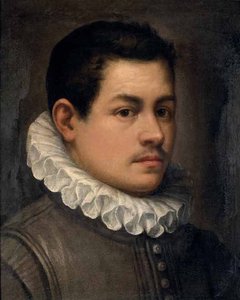
1560–1609, Itálie
Annibale Carracci
Early Life and the Bolognese Roots Annibale Carracci, narozený v Bolgni v listopadu 3., 1560, pocházel z rodiny hluboce zakořeněné v umělecké tradici. Jeho rané vzdělání pravděpodobně probíhalo v péči svého rodinného ateliéru, kde položil základy kariéry, která by zásadně proměnila italskou malířskou krajinu. Bolgna v té době byla pulzující centrem intelektuálního a uměleckého rozmachu, přesto se cítila poněkud vzdálená od dominantních proudů vycházejících z Říma a Benátkek. Tento pocit provinčníhoství poháněl touhu po nových cestách mezi skupinou mladých umělců – Annibalem, jeho bratrem Agostinem a příbuzným Ludovicem – aby vytvořili nový směr, který by obohatil italské umění tím, že se opíral o mistrovské díla Vysokého Renesansu, zatímco zároveň přijímal naturalistický přístup.
O umělci Annibale Carracci Významná díla umělce Annibale Carracci
Také od autora Annibale Carracci
 Slunce bobulovozruče
 Hérakylova volba
 Výběr Herakla1596
 Řeka1589
Eseje k tématu Triptych
 The Architecture of Divinity: Tracing the Evolution of Angelic Iconography in Renaissance ArtExplore the evolution of angelic iconography from early Christian art to the Baroque. Trace the divine history with our expert analysis.
 25 Masterpieces by Sir Anthony van Dyck: The King of Baroque PortraitureStep into the elegance of the Baroque era with our curated guide to Sir Anthony van Dyck's top 25 masterpieces. Explore royal portraits and…
 Caravaggism and Bolognese Classicism: Two Paths of the BaroqueMaster the differences between Caravaggism and Bolognese Classicism. Explore the dramatic tension of the Baroque era now.