Baroque Painting · 1601
Rinaldo and Armida (Annibale Carracci, 1601)
Annibale Carracci (1560–1609) vytvořil dílo Rinaldo and Armida. Pochází z roku 1601. Patří k hnutí Baroque Painting. Nachází se v Museo di Capodimonte v Neapol, Itálie.

 Náhled v interiéru

 Ručně malovaná olejná reprodukce
 Sdílet
 Sdílet
 Informační list


 Stáhnout
 Podobné položky
 Rentgenové snímky
 Slideshow
 Otázky a odpovědi

 Statistiky
Rinaldo and Armida v kostce
- Název díla
- Rinaldo and Armida
- Autor
- Annibale Carracci (1560–1609)
- Rok narození umělce
- Bologna, Itálie
- Datum vytvoření
- 1601
- Kde jej vidět
- Museo di Capodimonte, Neapol, Itálie
- Pohyb
- Baroque Painting
- Motiv
- rinaldo, armida, love, romance, saracen, tasso
Co przedstawuje dílo Rinaldo and Armida?
The Genesis of a Dramatic Narrative
Annibale Carracci’s “Rinaldo and Armida,” painted in 1601, isn't merely a depiction of a legendary tale; it’s a vibrant distillation of the late Renaissance’s fascination with classical mythology interwoven with burgeoning Baroque drama. Commissioned for the Palazzo Farnese in Rome, this monumental canvas embodies a pivotal moment within Tasso’s epic poem “Rinaldo,” a work that captivated audiences with its blend of chivalry, love, and perilous adventure. Carracci, along with his brother Agostino and cousin Ludovico, were tasked with transforming the complex narrative into a series of grand frescoes, aiming to revive the grandeur of High Renaissance ideals while injecting a palpable sense of dynamism – a hallmark of the emerging Baroque style. The painting itself is a testament to this ambition, radiating an energy that pulls the viewer directly into the heart of the scene.
A Symphony of Color and Movement
Carracci’s masterful technique is immediately apparent in the rich, layered application of paint. He employs a sophisticated *sfumato* – a subtle blurring of lines and edges – to create an atmosphere of both immediacy and depth. The figures are not rendered with sharp, precise outlines but rather emerge from a haze of color, lending them a sense of ethereal beauty and vulnerability. Notice the dramatic use of light; it’s not uniformly distributed but strategically employed to highlight key elements—Rinaldo's heroic stance, Armida’s sorrowful gaze, and the swirling vortex of the enchanted garden. The palette is dominated by warm reds, golds, and deep blues, creating a visual feast that mirrors the passionate emotions at play. The artist’s meticulous attention to detail extends to the intricate folds of their garments, the textures of the foliage, and even the subtle reflections in the water – all contributing to an astonishingly realistic effect for its time.
Symbolism Woven into a Romantic Scene
Beyond the immediate narrative, “Rinaldo and Armida” is laden with symbolic meaning. The scene itself—a passionate embrace amidst a fantastical garden—represents the precarious balance between love and duty, desire and obligation. Armida’s enchanted realm, filled with exotic birds and shimmering foliage, symbolizes her seductive power and the allure of escape from the constraints of war and responsibility. Rinaldo's struggle to resist her charms speaks to the internal conflict faced by heroes caught between their romantic passions and their sworn oaths. The presence of the two birds—one perched near the top left corner, the other towards the center-right—adds another layer of interpretation, perhaps representing messengers or omens, subtly guiding the viewer’s eye through the composition. The swords held by Rinaldo and his companions are not merely weapons but symbols of their commitment to Christian ideals and the defense of Jerusalem.
A Bridge Between Eras
“Rinaldo and Armida” stands as a crucial link between the High Renaissance’s emphasis on harmony and balance and the Baroque’s embrace of drama, emotion, and movement. Carracci skillfully synthesizes these influences, creating an artwork that is both formally sophisticated and emotionally resonant. His work profoundly impacted subsequent generations of artists, particularly influencing the development of illusionistic painting in Rome. Studying this masterpiece offers a valuable insight into the artistic currents of its time—a period of intense intellectual and creative ferment that ultimately shaped the course of Western art history. It’s a testament to Carracci's ability to capture not just a story but the very essence of human experience, rendered with breathtaking skill and profound beauty.
Ve kterém muzeu se nachází Rinaldo and Armida?
Museo di Capodimonte
Neapol, Itálie
Historie Museo di Capodimonte Kořeny Museo di Capodimonte sahají do raného 18. století. V roce 1738 si král Neapole a Sicílie, Karel VII, nechal na vršku Capodimonte nevelkou loveckou chatičku.


Vysokorozlišené fotografie díla Rinaldo and Armida

Annibale Carracci, Rinaldo and Armida (1601), Museo di Capodimonte. Veřejná doména
Odpovědi na otázky k dílu Rinaldo and Armida
Které muzeum uchovává originál díla "Rinaldo and Armida"?
Originál díla „Rinaldo and Armida“ si můžete prohlédnout v instituci Museo di Capodimonte, Neapol, Itálie.
V jakém roce bylo vytvořeno dílo „Rinaldo and Armida“ od Annibale Carracci?
Dílo „Rinaldo and Armida“ od Annibale Carracci vzniklo v roce 1601.
Co zachycuje dílo "Rinaldo and Armida"?
„Rinaldo and Armida“ od Annibale Carracci zobrazuje: rinaldo, armida, love, romance, saracen, tasso, italy, 1601.
Patří „Rinaldo and Armida“ od Annibale Carracci do volného tisku?
Co se týče autorských práv, dílo "Rinaldo and Armida" spadá do v rámci volného užití – autorská práva vypršela.
Kdo je autorem díla "Rinaldo and Armida"?
Dílo "Rinaldo and Armida" vytvořil/a Annibale Carracci. Informace na této stránce popisují originální dílo umělce Annibale Carracci.
K kterému uměleckému směru patří „Rinaldo and Armida“ od Annibale Carracci?
„Rinaldo and Armida“ je dílo z období Baroque Painting. Tento směr představuje uměleckou tradici, jejíž je dílo součástí.
Do jaké fáze tvůrčího rozvoje Annibale Carracci patří dílo „Rinaldo and Armida“?
„Rinaldo and Armida“ představuje období Late Renaissance umělce Annibale Carracci.
Kolik let bylo Annibale Carracci, když v roce 1601 vytvořil(a) dílo „Rinaldo and Armida“?
Při vzniku díla „Rinaldo and Armida“ v roce 1601 bylo umělcům Annibale Carracci (narozenému/é v 1560) 41 let.
Proč má dílo „Rinaldo and Armida“ právě takový autorský status?
Autorskoprávní status díla „Rinaldo and Armida“ – v rámci volného užití – autorská práva vypršela – vyplývá ze smrti umělce v roce 1609.
O umělci, Annibale Carracci
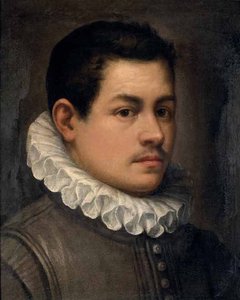
1560–1609, Itálie
Annibale Carracci
Early Life and the Bolognese Roots Annibale Carracci, narozený v Bolgni v listopadu 3., 1560, pocházel z rodiny hluboce zakořeněné v umělecké tradici. Jeho rané vzdělání pravděpodobně probíhalo v péči svého rodinného ateliéru, kde položil základy kariéry, která by zásadně proměnila italskou malířskou krajinu. Bolgna v té době byla pulzující centrem intelektuálního a uměleckého rozmachu, přesto se cítila poněkud vzdálená od dominantních proudů vycházejících z Říma a Benátkek. Tento pocit provinčníhoství poháněl touhu po nových cestách mezi skupinou mladých umělců – Annibalem, jeho bratrem Agostinem a příbuzným Ludovicem – aby vytvořili nový směr, který by obohatil italské umění tím, že se opíral o mistrovské díla Vysokého Renesansu, zatímco zároveň přijímal naturalistický přístup.
O umělci Annibale Carracci Významná díla umělce Annibale Carracci
Také od autora Annibale Carracci
 Slunce bobulovozruče
 Hérakylova volba
 Výběr Herakla1596
 Řeka1589

Eseje k tématu Rinaldo and Armida
 Top 10 mistrovských děl holandského baroka – obrazy a umělci | OriginalUniqueArt.czObjevte 10 ikonických děl holandského baroka! Prozkoumejte příběhy Rembrandta, Vermeera a dalších mistrů. Repliky obrazů nejvyšší kvality p…
 Annibale Carracci: Bridging Renaissance Ideals & Baroque InnovationExplore the life & art of Annibale Carracci, a pivotal figure bridging Renaissance ideals with Baroque innovation. Discover his masterpiece…
 Giorgione: Enigma and Innovation in Early Venetian Renaissance PaintingExplore the enigmatic world of Giorgione, a pivotal figure in the Venetian Renaissance. Discover his innovative techniques, iconic painting…