Fauvism · 1912
Cliffs (André Derain, 1912)
André Derain (1880–1954) vytvořil dílo Cliffs. Pochází z roku 1912. Patří k hnutí Fauvism.
- 1912

 Náhled v interiéru

 Ručně malovaná olejná reprodukce
 Sdílet
 Sdílet
 Průvodce


 Stáhnout
 Podobné položky
 Rentgenové snímky
 Slideshow
 Otázky a odpovědi

 Statistiky
Cliffs: základní údaje
- Název díla
- Cliffs
- Autor
- André Derain (1880–1954)
- Rok narození umělce
- Chatou, Francie
- Datum vytvoření
- 1912
- Pohyb
- Fauvism
- Motiv
- landscape, cliffs, mountains, village, waterfall, fauvism
Co przedstawuje dílo Cliffs?
A Vision of Verdant Majesty: André Derain's "Cliffs"
André Derain’s “Cliffs,” painted in 1912 and residing within the esteemed State Hermitage Museum, is more than just a landscape; it's a vibrant testament to the revolutionary spirit of Fauvism. This artwork captures a breathtaking vista of mountains, cliffs, and cascading waterfalls, transporting viewers to a realm where nature’s power and tranquility intertwine. The scene unfolds with a charming village nestled in the valley below, framed by majestic peaks blanketed in lush greenery – an idyllic paradise rendered through Derain's distinctive lens. Two quaint houses near the bottom left corner add a touch of human presence to this otherwise wild expanse. The overall impression is one of dynamic energy and harmonious balance, showcasing nature’s grandeur alongside the quiet resilience of human settlement.Fauvism in Full Bloom: Style & Technique
"Cliffs" exemplifies the core tenets of Fauvism, a groundbreaking art movement that emerged in the early 20th century. Characterized by its bold use of color and expressive brushstrokes, Fauvism sought to liberate painting from representational constraints, prioritizing emotional impact over strict realism. Derain, alongside contemporaries like Henri Matisse, was a pivotal figure in this movement. The technique employed here is immediately striking: colors are applied directly to the canvas with loose, gestural strokes, creating a textured surface that vibrates with energy. Notice how the blues of the sky aren't blended seamlessly but rather layered and juxtaposed, contributing to a sense of atmospheric depth. The simplification of forms – cliffs rendered as sweeping planes of color rather than meticulously detailed rock faces – further emphasizes the painting’s emotional intensity. The lack of precise detail encourages viewers to engage with the artwork on a visceral level, responding to its raw energy and vibrant hues.Historical Context & Artistic Influences
Painted in 1912, "Cliffs" reflects a period of significant artistic experimentation. Following the Impressionists' focus on capturing fleeting moments of light, Fauvism pushed boundaries even further, embracing subjectivity and emotional expression. Derain’s work during this time was also influenced by his exploration of London, where he captured the city with a radical perspective distinct from previous depictions. The movement itself arose as a reaction against the academic traditions that dominated the art world at the time, seeking to forge a new path for artistic innovation and personal expression. Derain’s willingness to break free from conventional representation positioned him at the forefront of this transformative era.Symbolism & Emotional Resonance
Beyond its aesthetic appeal, "Cliffs" carries symbolic weight. The imposing cliffs themselves can be interpreted as symbols of strength, permanence, and the enduring power of nature. The small village nestled below suggests human resilience and adaptability in the face of such grandeur. The cascading waterfall represents a constant cycle of renewal and transformation. Ultimately, Derain’s "Cliffs" evokes a profound sense of tranquility and awe. It invites viewers to contemplate the beauty and majesty of the natural world while simultaneously celebrating the power of artistic expression to convey complex emotions and ideas. The painting's vibrant colors and dynamic composition create an uplifting and inspiring experience, making it a timeless masterpiece that continues to resonate with audiences today.Cliffs ve vysokém rozlišení

André Derain, Cliffs (1912). Veřejná doména
Digitální expert porovnává barvy s původním obrazem a retušuje soubor tak, aby věrně odpovídal tahům štětcem umělce.
Koupit obraz ve vysokém rozlišeníDotazy k Cliffs
V jakém roce vzniklo dílo "Cliffs"?
Vznik díla „Cliffs“ od André Derain se datuje do roku 1912.
Jaká témata se objevují v díle „Cliffs“ od André Derain?
Motivy díla „Cliffs“ jsou landscape, cliffs, mountains, village, waterfall, fauvism, hermitage.
Patří „Cliffs“ od André Derain do volného tisku?
Dílo „Cliffs“ od André Derain spadá do v rámci volného užití – autorská práva vypršela. Tento stav určuje pravidla pro reprodukci obrazu tohoto díla.
Kdo je autorem díla "Cliffs"?
Autorem díla „Cliffs“ je André Derain. Práce je v katalogu uvedena pod jménem André Derain.
K kterému uměleckému směru patří „Cliffs“ od André Derain?
„Cliffs“ je dílo z období Fauvism. Tento směr představuje uměleckou tradici, jejíž je dílo součástí.
Do jaké fáze tvůrčího rozvoje André Derain patří dílo „Cliffs“?
„Cliffs“ představuje období Early Fauvist Period umělce André Derain.
Kolik let bylo André Derain, když vzniklo dílo „Cliffs“?
André Derain bylo 32 let, když v roce 1912 vytvořilo dílo „Cliffs“. Věk je vypočítán z roku narození umělce, 1880.
Patří dílo „Cliffs“ od André Derain do volného užití, a proč?
Dílo „Cliffs“ od André Derain spadá do volného užívání (v rámci volného užití – autorská práva vypršela). Autorské právo vyprší po určité době od úmrtí umělce, ke kterému došlo v roce 1954.
Jakým způsobem se dílo „Cliffs“ zapojuje do témat a stylu umělce André Derain?
„Cliffs“ patří k dílu André Derain v rámci směru Fauvism, jehož typická témata zahrnují represents a key work in derain's fauvist phase., celebrates nature’s beauty, tranquility, and vibrancy..
O umělci, André Derain
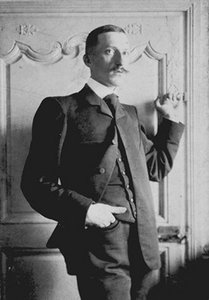
1880–1954, Francie
André Derain
Raný život, rodina a vzdělání V roce 1880 se André Derain narodil v Chatou, vesnici nestledé v regionu Yvelines ve Francii. Jeho raná léta byla formována tichými krajinami Île-de-France, kde v něm začala zapouštět přirozená zvědavost vůči okolnímu světu. Již v roce 1895 se vydal cestou samouučení a snažil se pochopit vizuální svět vlastními očima, nikoliv prostřednictvím formálního výuky. Toto období sebeestudia mu umožnilo vyvinout si vlastní, osobitý způsob vidění, než mu přísná pravidla akademie mohla naroubovat svou vůli.
Také od autora André Derain
 bathers1907
 London Bridge1906
 Charing Cross from sw1906
 Landscape at L'Estaque1906

Eseje k tématu Cliffs
 André Derain: Fauvism's Bold Visionary & the Evolution of Modern ColorExplore the revolutionary art of André Derain, co-founder of Fauvism. Discover his bold use of color, evolution from radical expressionism …
 The Architecture of Awe: Examining the Sublime Power of Cliffs in Romantic Landscape ArtExplore the profound power of cliffs in Romantic art through expert analysis of the sublime. Discover the masters of landscape today.
 Fauvism vs German Expressionism: Distinguishing Color and EmotionMaster the differences between Fauvism and German Expressionism through expert analysis. Learn to decode the emotion behind the color today.