Fauvism · 1906
Charing Cross Bridge (André Derain, 1906)
André Derain (1880–1954) vytvořil dílo Charing Cross Bridge. Pochází z roku 1906. Patří k hnutí Fauvism. Je vyrobeno z Acrylic On Canvas. Nachází se v Musée d'Orsay v Paříž, Francie.
- 1906
- Acrylic On Canvas
- Musée d'Orsay, Paříž

 Náhled v interiéru

 Ručně malovaná olejná reprodukce
 Sdílet
 Sdílet
 Informační list pro studenty


 Stáhnout
 Podobné položky
 Rentgenové snímky
 Slideshow
 Otázky a odpovědi

 Statistiky
Charing Cross Bridge v kostce
- Název díla
- Charing Cross Bridge
- Autor
- André Derain (1880–1954)
- Rok narození umělce
- Chatou, Francie
- Datum vytvoření
- 1906
- Technika
- Acrylic On Canvas
- Kde jej vidět
- Musée d'Orsay, Paříž, Francie
- Pohyb
- Fauvism
- Motiv
- bridge scene, urban life, fauvist colors, andré derain, city transport, vibrant painting
Co przedstawuje dílo Charing Cross Bridge?
André Derain’s ‘Charing Cross Bridge’: A Fauvist Symphony of Color
André Derain's Charing Cross Bridge (1906) isn't merely a depiction of a London thoroughfare; it’s a visceral explosion of color and emotion, a cornerstone of the revolutionary Fauvist movement. Painted during a pivotal moment in art history – a time when Impressionism was yielding to bolder, more subjective expression – this work captures the dynamism of urban life with an intensity rarely seen before. The painting, currently residing within the esteemed collection at the Musée d'Orsay in Paris, offers a captivating glimpse into the artistic fervor that defined early 20th-century modernism.
- Subject Matter: The scene unfolds along Charing Cross Bridge, a bustling artery of London teeming with activity. Derain masterfully portrays this urban landscape – pedestrians traversing the bridge, a train rushing by in the distance, and a solitary horse adding to the visual complexity – transforming a commonplace view into a powerful statement about modern existence.
- Fauvist Techniques: As a key figure in Fauvism, Derain employed techniques that prioritized color above all else. The painting’s palette is dominated by intense hues—fiery reds, vibrant blues, and saturated yellows—applied with broad, expressive brushstrokes. This deliberate disregard for naturalistic representation was a radical departure from the prevailing artistic norms of the time.
The Birth of Fauvism: A Reaction to Impressionism
Born in 1880 in Chatou, France, André Derain’s journey began independently before his fateful encounter with Henri Matisse. This meeting ignited a collaborative spirit that would profoundly shape the development of Fauvism. The movement emerged as a direct response to Impressionism's focus on capturing fleeting moments of light and atmosphere. While Impressionists sought to represent optical reality, the Fauves – meaning “wild beasts” – deliberately distorted color to convey emotion and subjective experience. Derain’s Charing Cross Bridge exemplifies this approach; the colors aren’t intended to accurately depict the scene but rather to evoke a feeling of energy, movement, and perhaps even a sense of unease.
Composition and Technique: A Dance of Color
Derain's compositional choices amplify the painting's emotional impact. The bridge itself acts as a strong diagonal element, guiding the viewer’s eye through the scene. The placement of figures – strategically positioned to create depth and perspective – further enhances this dynamic flow. The artist’s brushwork is particularly noteworthy; it’s loose, gestural, and deliberately unrefined, contributing to the painting's raw energy. Notice how he uses thick impasto—layers of paint applied with considerable texture—to build up form and intensify color. This technique adds a tactile quality to the work, inviting viewers to engage with the surface on a deeper level.
Symbolism and Legacy
Beyond its technical brilliance, Charing Cross Bridge carries symbolic weight. The bustling scene represents the rapid pace of industrialization and urbanization that was transforming Europe at the turn of the century. Derain’s influence extended far beyond his own time; he played a crucial role in shaping the course of modern art, inspiring subsequent generations of artists like Pablo Picasso and Georges Braque. His work remains a testament to the power of color and emotion in artistic expression, solidifying its place as a landmark achievement within the history of modern art.
Ve kterém muzeu se nachází Charing Cross Bridge?
Musée d'Orsay
Paříž, Francie
Historie Musée d'Orsay Musée d'Orsay se nachází na levém břehu Seiny v Paříži, ve Francii. Tato stavba byla původně postavena jako Gare d'Orsay, železniční nádraží vybudované v letech 1898 až 1900. Její primárním účelem bylo obsluhovat trať Chemin de Fer de Paris à Orléans.


Vysokorozlišené fotografie díla Charing Cross Bridge
André Derain, Charing Cross Bridge (1906), Musée d'Orsay. Veřejná doména
Odpovědi na otázky k dílu Charing Cross Bridge
Kde mohu vidět originál díla „Charing Cross Bridge“ od André Derain?
Dílo „Charing Cross Bridge“ od André Derain je vystaveno v instituci Musée d'Orsay, Paříž, Francie. Uvedené muzeum se vztahuje k originálu, nikoliv k reprodukcím.
V jakém roce vzniklo dílo "Charing Cross Bridge"?
Dílo "Charing Cross Bridge" pochází z roku 1906. Toto datum situuje dílo do období tvůrčí činnosti André Derain i do jeho dobové kontextu.
Jakou technikou je vytvořeno dílo "Charing Cross Bridge"?
André Derain pro dílo „Charing Cross Bridge“ použil/a techniku Acrylic On Canvas. Tato technika definuje materiální podstatu originálního díla.
Co zachycuje dílo „Charing Cross Bridge“ od André Derain?
„Charing Cross Bridge“ od André Derain zobrazuje: bridge scene, urban life, fauvist colors, andré derain, city transport, vibrant painting, charing cross.
Lze obraz díla „Charing Cross Bridge“ od André Derain volně reprodukovat?
Stav autorských práv pro dílo „Charing Cross Bridge“ od André Derain: toto dílo spadá do v rámci volného užití – autorská práva vypršela. To určuje, zda lze volně vytvářet reprodukce tohoto obrazu.
Kdo vytvořil "Charing Cross Bridge"?
Dílo "Charing Cross Bridge" vytvořil/a André Derain. Informace na této stránce popisují originální dílo umělce André Derain.
K kterému uměleckému směru patří „Charing Cross Bridge“ od André Derain?
Dílo „Charing Cross Bridge“ od André Derain patří k období směru Fauvism, který dílu dodává jeho stylistický kontext.
Do které období tvorby André Derain patří dílo „Charing Cross Bridge“?
V rámci kariéry umělce André Derain spadá dílo „Charing Cross Bridge“ do období Fauvist Period. Tato fáze umožňuje jeho srovnání s dalšími díly tohoto umělce.
Kolik let bylo André Derain, když vzniklo dílo „Charing Cross Bridge“?
Při vzniku díla „Charing Cross Bridge“ v roce 1906 bylo umělcům André Derain (narozenému/é v 1880) 26 let.
O umělci, André Derain
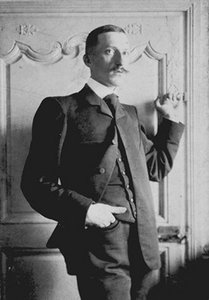
1880–1954, Francie
André Derain
Raný život, rodina a vzdělání V roce 1880 se André Derain narodil v Chatou, vesnici nestledé v regionu Yvelines ve Francii. Jeho raná léta byla formována tichými krajinami Île-de-France, kde v něm začala zapouštět přirozená zvědavost vůči okolnímu světu. Již v roce 1895 se vydal cestou samouučení a snažil se pochopit vizuální svět vlastními očima, nikoliv prostřednictvím formálního výuky. Toto období sebeestudia mu umožnilo vyvinout si vlastní, osobitý způsob vidění, než mu přísná pravidla akademie mohla naroubovat svou vůli.
Také od autora André Derain
 Koupající se1907
 Londýnský most1906
 Charing Cross from sw1906
 Landscape at L'Estaque1906
Eseje k tématu Charing Cross Bridge
 Fauvism vs German Expressionism: Distinguishing Color and EmotionMaster the differences between Fauvism and German Expressionism through expert analysis. Learn to decode the emotion behind the color today.
 André Derain: Fauvism's Bold Visionary & the Evolution of Modern ColorExplore the revolutionary art of André Derain, co-founder of Fauvism. Discover his bold use of color, evolution from radical expressionism …
 Renoir’s Impressionist Masterpieces: A Definitive Guide to Light, Color, and the Art of JoyExplore the luminous world of Pierre-Auguste Renoir. Discover the history, technique, and emotional depth behind his Impressionist masterpi…