Art Nouveau
Hamlet (Alfons Mucha)
Alfons Mucha (1860–1939) vytvořil dílo Hamlet. Patří k hnutí Art Nouveau. Je vyrobeno z Acrylic.
- Acrylic

 Náhled v interiéru

 Ručně malovaná olejná reprodukce
 Sdílet
 Sdílet
 Informační list


 Stáhnout
 Podobné položky
 Rentgenové snímky
 Slideshow
 Otázky a odpovědi

 Statistiky
Hamlet v kostce
- Název díla
- Hamlet
- Autor
- Alfons Mucha (1860–1939)
- Rok narození umělce
- Ivančice, Česko
- Technika
- Acrylic
- Pohyb
- Art Nouveau
- Motiv
- theater, floral patterns, decorative art, elegant composition, symbolism, lithograph printing
Co przedstawuje dílo Hamlet?
A Symphony in Gold and Bloom: Alphonse Mucha’s “Age of Reason”
The painting "Age of Reason," attributed to Alphonse Maria Mucha, isn't merely an image; it’s a carefully constructed meditation on illumination and serenity—a cornerstone of Art Nouveau’s aesthetic philosophy. Created circa 1896-1897 during Mucha’s Parisian zenith, this monumental canvas transcends the decorative impulse often associated with the movement, delving into profound thematic concerns that resonate powerfully even today. Its impact extends beyond the realm of visual art, influencing interior design trends and shaping perceptions of beauty itself.- Subject Matter: Mucha’s vision centers on a luminous garden bathed in dappled sunlight—a deliberate contrast to the anxieties prevalent at the time concerning industrialization and societal upheaval. Figures emerge from the foliage, engaged in quiet contemplation, suggesting an antidote to the frenetic pace of modern life.
- Style: Mucha’s signature Art Nouveau style dominates every element of the composition. The undulating lines—characteristic of the movement—are not merely decorative; they embody a belief in organic harmony and fluidity, mirroring the natural world he seeks to capture. These curves dominate the canvas, creating an illusion of constant motion while simultaneously conveying stability.
- Technique: Mucha employed meticulous glazing techniques—applying thin layers of translucent pigment over opaque undercoats—to achieve breathtaking luminosity and depth. This painstaking process allowed him to reproduce the subtle gradations of color found in natural light, elevating the painting beyond mere representation into a realm of emotive expression.
Historical Context: Embracing Aesthetic Idealism Amidst Industrial Change
“Age of Reason” emerged during a period marked by significant social and technological transformations—the rapid expansion of factories and cities challenging traditional values. Mucha, acutely aware of these developments, responded with an artistic stance rooted in idealism. He championed the notion that beauty could serve as a moral compass, offering solace and inspiration amidst uncertainty. The painting’s serene depiction of nature reflects this broader philosophical preoccupation.Symbolism: Light, Flowers, and Contemplative Presence
The garden itself is laden with symbolic significance. Sunlight represents enlightenment—spiritual illumination—a concept central to Art Nouveau’s intellectual currents. The flowers—primarily lilies and roses—symbolize purity and love—values upheld by Mucha's artistic vision. More importantly, the figures embody contemplative presence—a deliberate rejection of materialism and an affirmation of inner peace.Emotional Impact: A Balm for the Soul
Ultimately, “Age of Reason” succeeds in conveying a profound emotional resonance. Its tranquil atmosphere invites viewers to pause and reflect—to reconnect with their own sense of wonder and appreciation for beauty. Mucha’s masterful handling of color and line creates an immersive experience that transcends time, securing its place as one of Art Nouveau's most enduring masterpieces.Vysokorozlišené fotografie díla Hamlet
Alfons Mucha, Hamlet. Veřejná doména
Odpovědi na otázky k dílu Hamlet
Jakou techniku bylo použito pro dílo „Hamlet“ od Alfons Mucha?
„Hamlet“ je dílo vytvořené v technice Acrylic.
Jaká témata se objevují v díle „Hamlet“ od Alfons Mucha?
Témata obsažená v díle „Hamlet“ od Alfons Mucha zahrnují theater, floral patterns, decorative art, elegant composition, symbolism, lithograph printing, czech art. Tato témata společně shrnují obsah celého uměleckého díla.
Lze obraz díla „Hamlet“ od Alfons Mucha volně reprodukovat?
Stav autorských práv pro dílo „Hamlet“ od Alfons Mucha: toto dílo spadá do v rámci volného užití – autorská práva vypršela. To určuje, zda lze volně vytvářet reprodukce tohoto obrazu.
Kdo vytvořil "Hamlet"?
Dílo "Hamlet" vytvořil/a Alfons Mucha. Informace na této stránce popisují originální dílo umělce Alfons Mucha.
K kterému uměleckému směru patří „Hamlet“ od Alfons Mucha?
Umělecký směr, ke kterému patří dílo „Hamlet“ od Alfons Mucha, je Art Nouveau. Tato klasifikace toto dílo umísťuje mezi související umělce a další umělecká díla.
Do jaké fáze tvůrčího rozvoje Alfons Mucha patří dílo „Hamlet“?
V rámci kariéry umělce Alfons Mucha spadá dílo „Hamlet“ do období Mature Period. Tato fáze umožňuje jeho srovnání s dalšími díly tohoto umělce.
Proč má dílo „Hamlet“ právě takový autorský status?
Dílo „Hamlet“ od Alfons Mucha spadá do v rámci volného užití – autorská práva vypršela. Autorská práva se počítají od roku úmrtí autora; Alfons Mucha zemřel(a) v roce 1939.
Jakým způsobem se dílo „Hamlet“ vpisuje do celkové tvorby umělce Alfons Mucha?
V rámci tvorby umělce Alfons Mucha se dílo „Hamlet“ řadí do stylu Art Nouveau a doplňuje tak motivy symbolic art nouveau, theater promotion, czech nationalism, decorative elegance, artist legacy.
Jakým způsobem se motiv díla „Hamlet“ vztahuje k obvyklým tématům umělce Alfons Mucha?
Mezi opakující se témata umělce Alfons Mucha patří symbolic art nouveau, theater promotion, czech nationalism, decorative elegance, artist legacy; dílo „Hamlet“ se zaměřuje na theater, floral patterns, decorative art, elegant composition, symbolism, lithograph printing, czech art.
O umělci, Alfons Mucha

1860–1939, Česko
Alfons Mucha
Úvod Alphonse Maria Mucha, jméno, které se stalo synonymem pro Art Nouveau, byl český malíř, grafik a designér, jehož dílo proniká do srdcí lidí po celém světě. Narodil se v malebné Ivančici na Moravě, v roce 1860, a od dětství projevoval mimořádný talent pro umění. Jeho cesta k slávě byla plná překvapení, spolupráce s legendární herečkou Sarah Bernhardt a ambiciózních projektů, které definovaly estetiku konce 19. století.
Také od autora Alfons Mucha
 The Moon
 Nude
 The Apotheosis of the Slavs1926
 Stained-Glass Window in St. Vitus Cathedral
Eseje k tématu Hamlet
 Echoes of Change: Exploring Themes & Techniques in 19th-Century PaintingExplore the captivating world of 19th-century painting! Discover Realism, Impressionism & beyond with expert insights into techniques, hist…
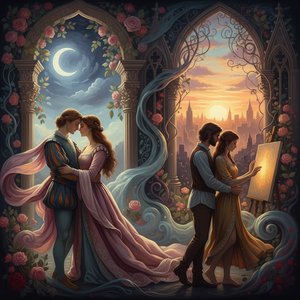 The Allure of Romantic Vibe in Artwork: A Historical & Psychological ExplorationExplore the captivating world of Romantic art! Discover its history, psychological depth, key artists like Friedrich & Goya, and find timel…
 The 25 Most Iconic Artworks by Alphonse Mucha: A Masterclass in Art NouveauExplore 25 iconic Alphonse Mucha masterpieces and the beauty of Art Nouveau. Discover the full collection online at OriginalUniqueArt.com.