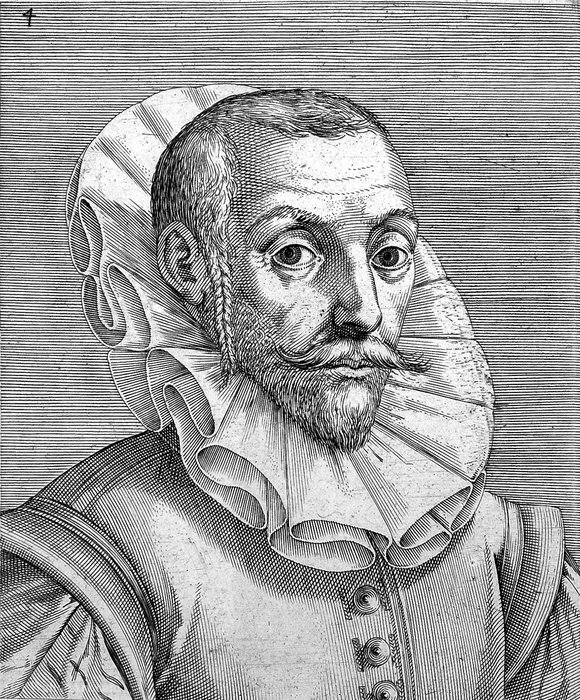
Portrét Philip Galle

15 nejslavnějších obrazů autora Philip Galle, každý naprosto unikátní

Aktualizováno říjen 2026 · seřazeno podle našeho skóre popularity (vyhledávání, návštěvy a objednávky u každého díla) · 17 děl umělce Philip Galle v našem katalogu

Stručně řečeno

A Painter's Workshop (1595) je obraz autora Philip Galle, který přitahuje nejvíce pohledů; originál se nachází v Rijksmuseum, Amsterdam. Poté se zrak přesouvá k The Alchemist (1558) a The Unhappy Lot of the Rich (1563). Z 17 děl umělce Philip Galle v našem katalogu je těchto 15 těch nejznámějších; každé z nich je unikátním originálem s uvedením roku vzniku, muzea a důvodu jeho nesmrtelnosti.

1537 – 1612, Haarlem Nejvíce děl: Rijksmuseum

Top 10 obrazů autora Philip Galle podle výběru galerie

1
A Painter's Workshop (1595) od Philip Galle

A Painter's Workshop

1595 · Engraving · Rijksmuseum, Amsterdam

The engraving depicts a workspace filled with the tools and figures of late sixteenth-century artistic production. In the center of the composition, several individuals engage in the physical labor of creation. Two figures in the foreground work upon a large canvas; one holds a palette while the other applies pigment to the surface. To their right, a seated figure remains focused on a smaller work positioned on an easel. In…

2
The Alchemist (1558) od Philip Galle

The Alchemist

1558 · Engraving · Metropolitan Museum of Art, New York

We find ourselves before The Alchemist, an engraving produced by Philip Galle in 1558. This work offers a window into the intellectual pursuits of the sixteenth century, specifically focusing on the complex subject of alchemy. It is a quiet study of the era's fascination with the transformative properties of matter.

3
The Unhappy Lot of the Rich (1563) od Philip Galle

The Unhappy Lot of the Rich

1563 · Engraving · Rijksmuseum, Amsterdam

The scene unfolds within the intricate lines of The Unhappy Lot of the Rich, an allegorical engraving that captures a moment of profound moral tension. Philip Galle, the Dutch publisher and designer, breathes life into this composition through his meticulous hand. He translates complex ideas into a visual language of shadow and light, ensuring the message reaches the viewer with clarity and weight. The work exists as a carefully constructed…

4
An Angel Appears to St Philip (1575) od Philip Galle

An Angel Appears to St Philip

1575 · Engraving · Graphische Sammlung Albertina, Vídeň

An Angel Appears to St Philip is an engraving by the Dutch artist Philip Galle. The work emerged around 1575, a period when the artist was active in the Low Countries. Galle, who was born in Haarlem in 1537, spent his life navigating the shifting currents of the sixteenth century. He remained a significant figure in the printmaking tradition until his death in March 1612.

Slavná díla umělce Philip Galle, čísla 11 až 15

Motivy, které zaujaly Philip Galle

Čtyři témata, která se v těchto originálech nejčastěji objevují, z nichž každé má svůj nejlepší příklad.

Muzea, v nichž jsou vystavena originálna umělce Philip Galle

3 muzea, v nichž je umístěno nejvíce obrazů z této stránky.

Muzeum Město Díla autora Philip Galle Obrazy z tohoto seznamu
Rijksmuseum, AmsterdamRijksmuseum Amsterdam 2 A Painter's Workshop, The Unhappy Lot of the Rich
Metropolitan Museum of Art, New YorkMetropolitan Museum of Art New York 1 The Alchemist
Graphische Sammlung Albertina, VídeňGraphische Sammlung Albertina Vídeň 1 An Angel Appears to St Philip

Philip Galle napříč desetiletími: jeden unikátní originál pro každou dekádu

Díla podle dekád

Vyberte si dekádu a prohlédněte si originál, který ji definuje.

Obrazy umělce Philip Galle: dotazy pro galerii

Kterým nejznámějším dílem je Philip Galle?Odhalit odpověď

A Painter's Workshop (1595), Rijksmuseum, Amsterdam. Následují The Alchemist (1558) a The Unhappy Lot of the Rich (1563).

V jakém věku vytvořil(a) Philip Galle dílo A Painter's Workshop?Odhalit odpověď

58 let: dílo A Painter's Workshop pochází z roku 1595 a Philip Galle se narodil/a v roce 1537.

Kterých deset obrazů autora Philip Galle je nejznámějších?Odhalit odpověď

A Painter's Workshop, The Alchemist, The Unhappy Lot of the Rich, An Angel Appears to St Philip, Portrait from Variae comarum et bararum formae, Distillatio, Acis, Garga, Ambracia a Amphitrite. Hodnocení výše uvádí rok a muzeum pro každé z nich.

Kolik známých děl má autor Philip Galle?Odhalit odpověď

Náš katalog obsahuje 17 děl umělce Philip Galle z let 1558 až 1595.

Kde lze vidět nejznámější originály umělce Philip Galle?Odhalit odpověď

Většinou v Rijksmuseum (Amsterdam), Metropolitan Museum of Art (New York) a Graphische Sammlung Albertina (Vídeň). V tabulce muzeí výše jsou vypsány všechny.

Který slavný obraz od Philip Galle je nejstarší a který nejnovější?Odhalit odpověď

Na této stránce je nejstarší dílo z The Alchemist (1558) a nejnovější z A Painter's Workshop (1595).

Jakým tématům se Philip Galle věnoval/a nejčastěji?Odhalit odpověď

Books (3), People (2) a Allegory (2) napříč 15 díly na této stránce.

Jaké materiály používal(a) Philip Galle nejčastěji?Odhalit odpověď

Engraving, u 4 z 15 děl na této stránce.

Jaká originální díla Philip Galle mohu vidět v Rijksmuseum?Odhalit odpověď

A Painter's Workshop a The Unhappy Lot of the Rich: muzeum Rijksmuseum, Amsterdam má v obsluze 2 děl z této stránky.

Philip Galle: portrét umělce

The Sculptor of Sorrow and Wealth

Philip Galle, a Dutch Renaissance master born in Haarlem around 1537, stands as a pivotal figure in the history of engraving and Northern Mannerism. While his biographical details remain somewhat sparse compared to contemporaries like Rembrandt or Rubens, Galle’s prolific output—primarily consisting of meticulously crafted engravings—established him as one of the foremost reproductive artists of his era, shaping artistic tastes across Europe. His legacy resides not merely in quantity but in quality: Galle's prints possessed a remarkable ability to convey complex narratives and psychological depth, reflecting the profound anxieties and aspirations of the sixteenth century.

The formative years of Galle’s life were deeply intertwined with the burgeoning artistic movements of the Low Countries. It is widely believed that he apprenticed under Pieter Bruegel the Elder, arguably the most influential painter of his time. Through this mentorship, Galle absorbed a distinctive style characterized by earthy landscapes, symbolic imagery, and a preoccupation with moral themes. This connection to Bruegel cemented Galle’s commitment to Northern Mannerism, an artistic movement that prioritized intellectual rigor and emotional intensity over idealized beauty. Unlike the High Renaissance focus on classical perfection, Galle embraced the Mannerist tendency to distort perspective and employ unsettling compositions to express profound psychological states.

A Revolution in Printmaking

Galle’s true renown stems from his establishment of a workshop that revolutionized the dissemination of art. Recognizing the potential for printmaking to reach audiences far beyond the confines of aristocratic patronage, Galle pioneered the technique of the "afterprint." This meticulous process involved transferring the compositions of masters like Titian and Raphael onto copper plates, allowing for the production of hundreds of identical, high-quality impressions. This innovation dramatically broadened the reach of Renaissance aesthetics, making complex religious and mythological imagery accessible to a growing middle class.

His workshop became a crucible of creativity where technical precision met allegorical depth. His works often explored the duality of human existence, oscillating between the divine and the terrestrial. Notable examples of his mastery include:

  • The Three Fates: A stunning exploration of Greek mythology, where Galle utilizes detailed figures and atmospheric landscapes to weave a tale of destiny and inevitability.
  • The Adoration of the Shepherds: A masterpiece that showcases his ability to handle biblical drama through the lens of Northern Mannerism, utilizing intricate detail to evoke a sense of sacred awe.
  • The Unhappy Lot of the Rich: A profound allegorical engraving that delves into themes of morality and the fleeting nature of material wealth, employing chiaroscuro to heighten the dramatic tension of the scene.

Legacy and Historical Significance

As a master of reproduction, Philip Galle did more than simply copy existing works; he reinterpreted them for a new era. His ability to translate the painterly nuances of the Renaissance into the sharp, linear language of engraving helped define the visual vocabulary of the late sixteenth century. Through his workshop, the intellectual currents of the Northern Renaissance were preserved and propagated across borders.

Galle’s historical significance lies in his role as a bridge between the monumental painting traditions of the past and the burgeoning print culture of the future. By blending the heavy symbolism of Bruegel with the technical sophistication of Mannerist engraving, he created a body of work that continues to captivate viewers with its exploration of wealth, sorrow, and the human condition. His life's work remains a testament to the power of the printed image to carry the weight of history, morality, and the eternal struggle of the soul.