
Съдържание
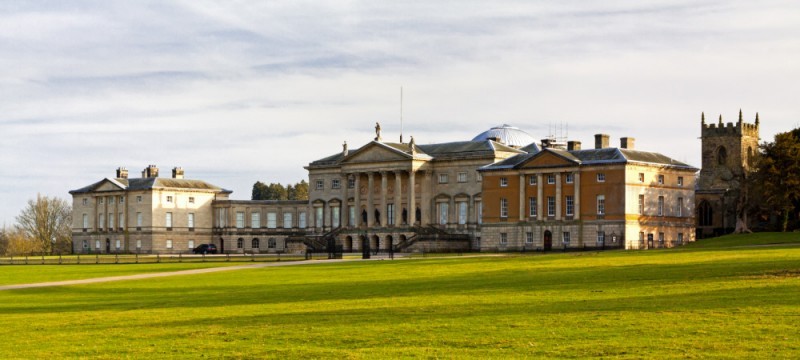
Бързи факти
- Works on APS: 25
- Alternate names: Национален музей
- Featured artists:
- Sir Anthony van Dyck
- Michael Dahl
- William Aikman
- daniel i mijtens
- Thomas Barber
- Location: Честерфилд, Великобритания
Тест за изкуство
За всеки въпрос има само един верен отговор.
Въпрос 1:
Какво е Национален музей?
Въпрос 2:
Коя страна е дом на този музей?
Въпрос 3:
Къде се намира Национален музей?
Въпрос 4:
Какво е основната цел на този музей?
Въпрос 5:
Какво е известно за Национален музей Чичестър?
Художници в колекцията
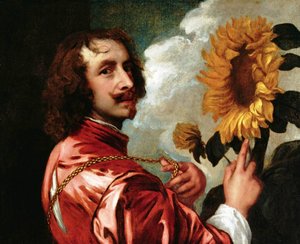
Антоний ван Дейк
Антоний ван Дейк (1599-1641): Велик френски бароков художник, известен с елегантните портрети на европейската аристокрация и крал Чарлз I. Влиятелен в английското изкуство, известен със религиозни сцени и новаторски стил.


Михаил Дал
Михаел Дал (1659-1743) е известен шведски бароков портретист, прочут със своите аристократични портрети и работата си в Англия. Оцеляващи картини са свидетелство за неговото майсторство!

William Aikman
Explore the captivating portraits of William Aikman, a Scottish artist known for his serene style & patronage by notable figures like Ramsay & Thomson.
Всички статии
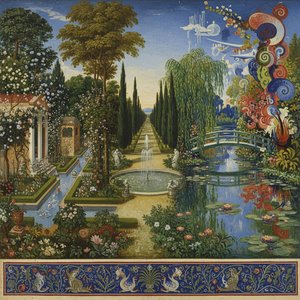
Cultivating Paradise: A Historical & Artistic Exploration of Gardens in Painting
Explore the rich history of gardens in painting! Discover masterpieces from Renaissance to Impressionism & beyond. Learn about symbolism, artists like Monet & Klimt, and find your perfect artwork at OriginalUniqueArt.
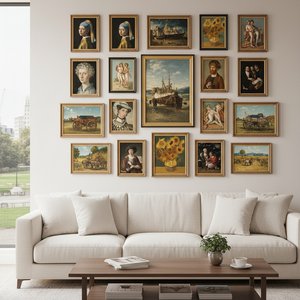
Топ 25 шедьовъра от Националната галерия, Лондон: Изкуство за вашия дом | OriginalUniqueArt.com
Разгледайте топ 25 шедьовъра от Националната галерия, Лондон! От Ван Гог до Моне – истории на изкуството, техники и емоции. Вдъхновете се за вашия дом с луксозни репродукции на OriginalUniqueArt.com.
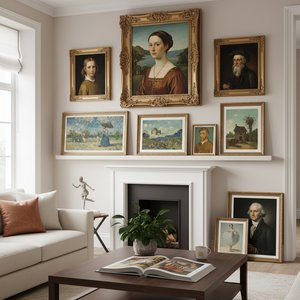
Топ 25 шедьовъра от Националната художествена галерия във Вашингтон – Изкуство за вашия дом | OriginalUniqueArt.com
Разгледайте топ 25 шедьовъра от Националната художествена галерия във Вашингтон! От Сезан до Пикасо – истории на изкуството, техники и вдъхновение. Купете висококачествени репродукции и декорирайте с OriginalUniqueArt.com.
Списък с произведения на изкуството
Не са открити произведения на изкуството.


Успешно се абонирахте за бюлетина!
Бъдете информирани за последните новини в света на изкуството, ексклузивни оферти и идеи за декорация.
Получете 3 безплатни предложения за изкуство
Разкажете ни за вашия проект и нашите експерти по изкуство ще ви предложат 3 персонализирани предложения за произведения на изкуството.
Not Sure Where to Start?
Let Us Curate 3 Options Just for You - Free!