A Sanctuary for Sacred Art: Exploring the Ikonen-Museum Recklinghausen
The Ikonen-Museum Recklinghausen stands as a beacon of Eastern Christian art appreciation, nestled in the serene German city of Recklinghausen. More than just a repository of icons—it’s an immersive experience designed to transport visitors into the heart of Byzantine tradition and its enduring influence on religious iconography across Europe and beyond. Founded with a commitment to preserving these invaluable cultural treasures, the museum distinguishes itself through its focused specialization and dedication to fostering understanding amongst scholars and enthusiasts alike.
### Collection Highlights: A Treasure Trove of Byzantine Masterpieces
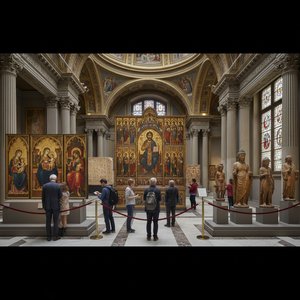
At its core lies an extraordinary assemblage of Eastern Christian icons spanning centuries—from monumental frescoes adorning Russian Orthodox churches to delicately crafted miniatures reflecting Romanian monastic piety. These pieces showcase the remarkable artistic skill of masters from diverse national schools, demonstrating stylistic evolution and regional variations within Byzantine art. Imagine gazing upon vibrant depictions of saints and biblical scenes, painstakingly executed with gold leaf and brilliant pigments – a testament to centuries of artistic tradition. The museum’s curators have meticulously documented each icon's provenance and symbolism, offering visitors unparalleled insight into the spiritual beliefs and cultural practices of bygone eras.
### Architectural Setting: Light and Reflection in Contemplative Space
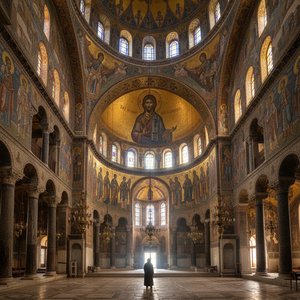
The museum’s building itself contributes significantly to its atmosphere—constructed with meticulous attention to detail, it provides a contemplative space where visitors can contemplate the beauty and spiritual depth of the displayed icons. Natural light floods into spacious halls, enhancing the visual impact of these artworks. Constructed originally as a Franciscan monastery, the building retains its original character, fostering an environment conducive to reflection and artistic appreciation. The airy interiors and carefully considered lighting scheme complement the solemn grandeur of the icon collection, creating a harmonious blend of architectural heritage and sacred art.
### Historical Context: A Response to Artistic Revival
Established in response to growing interest in Eastern Christian art within Germany, the Ikonen-Museum’s history reflects a broader cultural movement celebrating artistic heritage. Its curators actively engage with scholarly research and strive to illuminate the historical significance of each icon—connecting them to pivotal moments in religious and social history. The museum's founding coincided with a renewed fascination for Byzantine iconography, driven by advancements in art history scholarship and fueled by a desire to preserve Europe’s artistic legacy. Researchers benefit from access to rare manuscripts and archival materials—supporting ongoing investigations into iconographic traditions and their transmission across cultures.
### Notable Exhibitions: Engaging Contemporary Audiences with Timeless Narratives
Recent exhibitions have explored themes ranging from Byzantine pilgrimage routes to the role of icons in shaping European artistic styles—demonstrating the museum’s dynamism and its ability to engage contemporary audiences with timeless artistic narratives. One particularly noteworthy display examined the influence of Byzantine art on Renaissance painters, highlighting stylistic parallels and demonstrating how artistic ideas traveled across geographical boundaries. These exhibitions underscore the Ikonen-Museum's commitment to fostering dialogue between past and present, enriching visitors’ understanding of both art history and cultural exchange.
### Unique Approach: Depth Over Breadth – Expertise Focused
Unlike larger art museums prioritizing breadth, the Ikonen-Museum’s singular focus allows for unparalleled depth of expertise. Researchers benefit from access to rare manuscripts and archival materials—supporting ongoing investigations into iconographic traditions and their transmission across cultures. This specialized approach distinguishes Recklinghausen as a premier destination for scholars dedicated to studying Byzantine art and its impact on European culture, cementing its position as a cornerstone of Eastern Christian art scholarship. The museum consistently receives high ratings reflecting visitor satisfaction and its unwavering commitment to quality—a testament to Recklinghausen’s dedication to preserving artistic excellence. It’s a destination for anyone seeking an enriching encounter with the profound beauty and spiritual resonance of Eastern Christian iconography.