Palazzo Quirinale: A Living Chronicle of Italian History
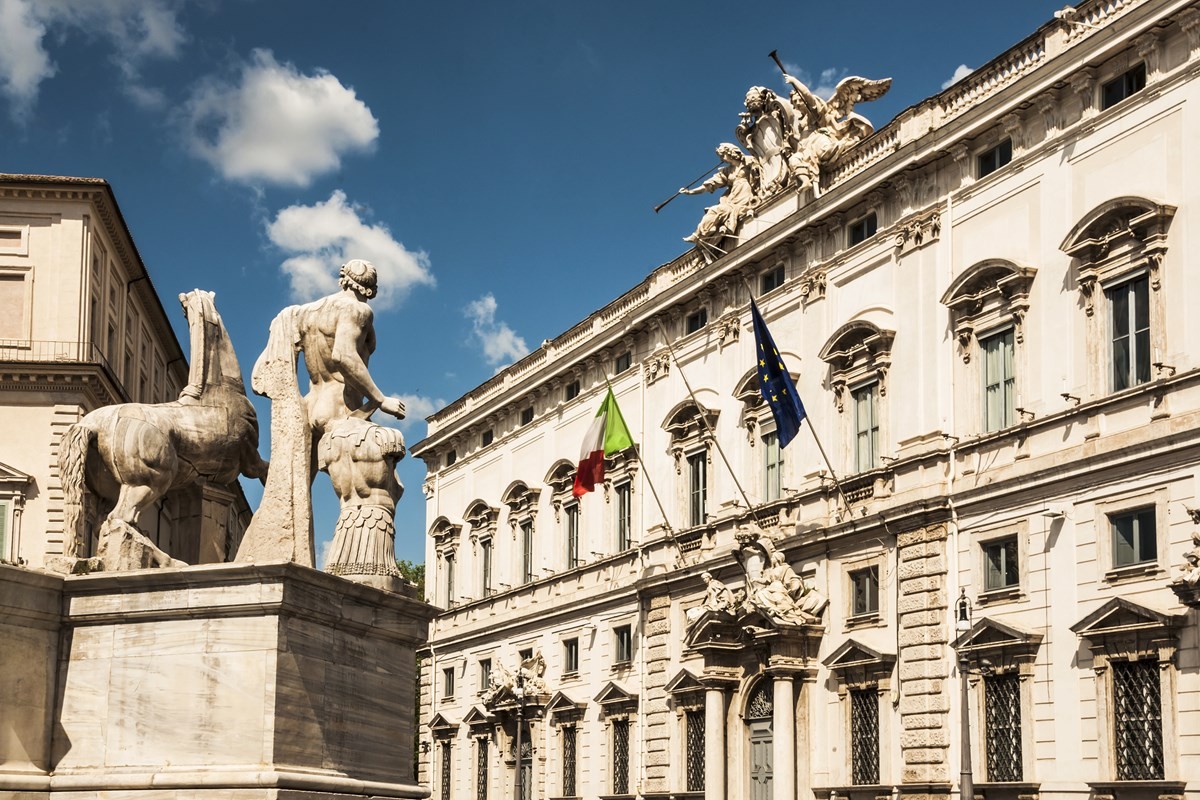
The Palazzo Quirinale breathes with Italian history—a palpable legacy etched into its stone walls and sprawling gardens. Rising majestically upon the Quirinal Hill, Rome’s highest elevation, it stands as a testament to centuries of papal grandeur, regal ambition, and republican resilience. More than just a building; it's a living chronicle, remarkably accessible to those who wish to delve into its opulent interiors and explore the stories whispered by its aged façade.
-
Origins & Early Construction:
Domenico Fontana spearheaded the initial construction in 1574 as a summer retreat for Pope Gregory XIII, marking the dawn of Baroque architecture’s influence in Rome. The palazzo quickly surpassed its original purpose, becoming a stage for political maneuvering and artistic patronage that would define an era.
-
Architectural Marvel:
Carlo Maderno and Gian Lorenzo Bernini—giants of their time—transformed the palace into an architectural masterpiece, particularly evident in the Loggia delle Benedizioni, a breathtaking space designed to inspire awe and reverence. Its symmetrical design embodies Renaissance ideals while showcasing Baroque dynamism.
-
A Royal Residence:
From Napoleon’s imperial seat to the reign of Vittorio Emanuele III, Palazzo Quirinale served as home to Italy's monarchs, adapting its role to reflect shifting political landscapes. Each monarch left their mark on the palace’s décor and traditions.
-
The Presidential Legacy:
Following World War II, Palazzo Quirinale became the official residence of Sergio Mattarella, symbolizing continuity and stability amidst turbulent times—a beacon of Italian democracy.
-
Contemporary Art & Gardens:
Today, Palazzo Quirinale houses a diverse collection of artworks spanning centuries, alongside ongoing exhibitions showcasing modern Italian artists. Its meticulously maintained gardens offer panoramic vistas of Rome’s iconic landmarks, inviting visitors to contemplate the palace's enduring beauty and historical significance.
Highlights of the Collection:
The palazzo boasts an extraordinary assemblage of sculptures and paintings—among them masterpieces by Caravaggio, Raphael, Titian, Bernini and Michelangelo Buonarroti—that illuminate pivotal moments in Italian art history. Visitors can admire intricate tapestries depicting scenes from mythology and heraldry, as well as opulent furnishings reflecting the tastes of successive rulers.
Exploring Palazzo Quirinale:
Guided tours reveal the palace’s secrets, tracing its evolution through time and highlighting its architectural grandeur. Don't miss the Loggia delle Benedizioni—a space designed to inspire awe and reverence—and stroll through the serene gardens overlooking Rome’s historic panorama. The changing of the guard ceremony performed by the Corazzieri adds a vibrant spectacle to your visit.
-
The Loggia delle Benedizioni:
Admire Bernini's sculptural masterpiece, symbolizing divine grace and papal authority.
-
Royal Apartments:
Explore the lavishly decorated rooms where Italy’s monarchs resided, reflecting their tastes and aspirations.
-
Gardens of Castelporziano:
Discover a tranquil oasis overlooking Rome—a testament to Italian landscape design and horticultural excellence.
-
Contemporary Art Exhibitions:
Engage with cutting-edge artistic perspectives alongside historical treasures.
A Symbol of Resilience:
Palazzo Quirinale stands as a powerful emblem of Italy’s cultural heritage—a place where the past informs the present and where art continues to inspire wonder. Its enduring beauty testifies to centuries of history, reminding us that grandeur can coexist with grace and tradition with innovation.