

A Jewel of Karachi: Unveiling the Mohatta Palace Museum
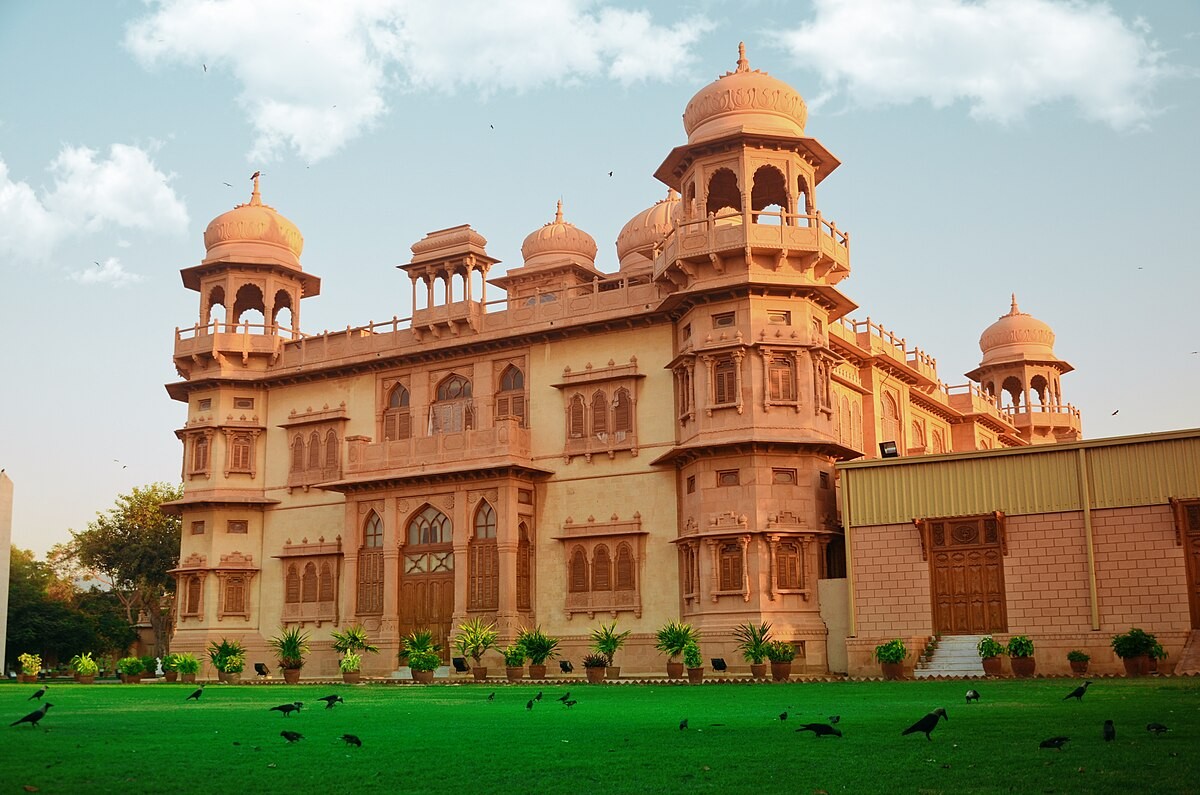
Nestled within the vibrant heart of Clifton, Karachi, Pakistan, the Mohatta Palace Museum stands as a breathtaking testament to a bygone era and a powerful reflection of Pakistani art and cultural heritage. More than just a museum, it’s an immersive journey through history, architecture, and the life of a remarkable man – Shivratan Mohatta – whose vision transformed this grand residence into a repository of artistic treasures. Originally conceived as a luxurious summer retreat in 1927 by the influential Marwari businessman, the palace seamlessly blends Indo-Saracenic architectural styles with local influences, creating an aesthetic that is both opulent and deeply rooted in its surroundings.
The building itself is a masterpiece of craftsmanship. Constructed primarily from exquisite Jodhpur stone – sourced from Rajasthan and complemented by locally quarried yellow stone from Gizri – the palace’s façade immediately captivates with its intricate detailing: delicate windows, ornate brackets, soaring spandrels, and a profusion of floral motifs that dance across every surface. Nine majestic domes punctuate the skyline, while the unique window design—a striking blue hue on the front elevation contrasted by arched stained glass at the rear—adds to the palace’s distinctive character. Stepping inside reveals teak wood construction, polished staircases leading to interconnected rooms designed for both grand entertaining and intimate living, a testament to the lavish lifestyle of its former owner.
A Tapestry of Collections
The Mohatta Palace Museum boasts an extraordinarily diverse collection that spans centuries and artistic traditions. At its core lies a rich historical art section, showcasing paintings, sculptures, and artifacts that narrate Pakistan’s artistic past – from Mughal miniatures to colonial-era portraits and early examples of Pakistani modernism. Beyond the traditional, the museum proudly presents a dynamic contemporary art collection, offering a vital window into the creative pulse of present-day Pakistan. This includes works by renowned artists like Sadequain, whose powerful murals capture the spirit of the nation, and Jamil Naqsh, known for his evocative watercolor landscapes.
However, the museum’s significance extends beyond its artistic holdings. It serves as a crucial cultural heritage site, displaying textiles, crafts, and historical objects that illuminate Pakistan's traditions – intricate embroidery, traditional ceramics, and relics from bygone eras. Notably, the museum houses a stunning collection of sculptures, including “Woman with Pigeon” by Jamil Naqsh, a poignant piece reflecting themes of femininity and nature. The palace’s own architecture is also considered an exhibit in itself, representing a rare example of Indo-Saracenic design within Pakistan.
A Legacy Preserved: History and Transformation
The palace's story is inextricably linked to the partition of India in 1947. Shivratan Mohatta, a prominent Hindu businessman, left Karachi for India after the division, leaving the palace largely untouched. Following its transition into a museum, extensive restoration work was undertaken in the late 1990s and early 2000s, meticulously preserving the building’s original grandeur while ensuring its accessibility to the public. The museum opened its doors in 1999, becoming a vital center for cultural exchange and artistic appreciation.
The museum's evolution reflects Pakistan’s own journey – from colonial influences to independence and beyond. It stands as a symbol of resilience, preserving not only artistic treasures but also the memory of a prominent businessman who played a significant role in shaping Karachi’s landscape and its cultural identity. The Mohatta Palace Museum is more than just a building; it's a living chronicle of Pakistan’s past, present, and future.
Notable Exhibitions & Ongoing Events
The Mohatta Palace Museum has hosted numerous landmark exhibitions over the years, each offering a unique perspective on Pakistani art and culture. Recent highlights include “Hal Bevan Petman: Symphonies in Stone,” a retrospective dedicated to the renowned British sculptor who spent his final years in Pakistan, creating powerful works inspired by local landscapes and traditions. The museum regularly hosts temporary exhibitions showcasing both established and emerging artists, ensuring a constantly evolving and engaging experience for visitors. Keep an eye on their website for details about upcoming events, including artist talks, workshops, and guided tours.
A Unique Destination
What truly distinguishes the Mohatta Palace Museum is its ability to seamlessly blend architectural splendor with artistic significance. It’s a rare opportunity to immerse oneself in the opulent beauty of an Indo-Saracenic palace while simultaneously exploring Pakistan's rich artistic heritage. Its strategic location in Clifton, Karachi, makes it easily accessible to both local residents and international tourists, solidifying its position as a must-visit destination for anyone seeking a deeper understanding of Pakistani art, culture, and history. The museum’s commitment to inclusivity and accessibility further enhances its appeal, welcoming diverse perspectives and fostering a vibrant community of art enthusiasts.