Флорентинска ръка в Рим: Животът и изкуството на Козимо Роселли
Козимо Роселли, роден около 1439 г. в пулсиращото сърце на Флоренция, произлиза от семейство на утвърдени търговци — превъзходен произход, който му осигурява стабилно детство и достъп до разцъфтяващия културен живот на Ренесанса. За разлика от мнозина художници, които започват своето обучение още в ранна младост, художественото пътешествие на Роселли започва сравнително късно, около двадесетгодишна възраст. Той навлиза в работилницата на Доменико Гирландайо, водеща фигура във флорентинската живопис, прочут със своите майсторски фрески и изящно детайлни алатарни картини. Тази среда не е била просто ученичество; тя е било пълно потапяне в оживено огнище на креативността, където множество асистенти допринасят за непрекъснатия поток от поръчки. Тук Росему се усвояват основите на рисуването, композицията и прецизните техники, които ще определят неговия ранен стил. Влиянието на Гирландайо е дълбоко, вдъхновявайки в него линейна точност, жизнена палитра и повествователна яснота, които характеризират голяма част от творчеството му. И все пак, дори през този формиращ период, Роселли започва да демонстрира индивидуална чувствителност, фино абсорбирайки елементи от по-ранни майстори като Мазачо и Фра Анджелико — художници, които вече са революционизирали изображението на пространството, светлината и емоцията в живописта.Сикстинската капела и момент на папска благосклонност
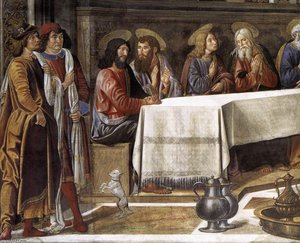
Преломният момент настъпва през 1481 г., когато Роселли получава покана да участва в монументалния фресков цикъл, украсяващ стените на Сикстинската капела в Рим. Тази поръчка, заедно с такива светила като Пиетро Перуджино и Сандро Ботичели, бележи значителна повратна точка в неговата кариера, изстрелвайки го на международната сцена. Основната тема на тези фрески е внимателно изграден паралел между историите на Мойсей и Христос — съзнателна опит за легитимиране на папската власт и подчертаване на непрекъснатостта на божествения закон. Приносът на Росему се фокусира върху сцени от Живота на Исус, демонстрирайки способността му да превежда сложни повествования в визуално завладяващи композиции. Въпреки че по-късни разкази, особено тези, написани от Джорджо Вазари, го представят като един от по-малко надарените художници, участвали в проекта — подложен дори на подигравки от своите колеги — е записано, че неговата смела употреба на цвят и щедното прилагане на златни листа са зарадвали особено самия папа Сикст IV. Тази папска благосклонност подсказва за острото разбиране на декоративния ефект и способността да се отговори на вкусовете на неговия покровител — качества, съществени за успеха в конкурентния свят на изкуството на Ренесанса. Неговата „Тайна вечеря“ в капелата остава свидетелство за този период, демонстрирайки динамична композиция и внимание към детайла, които разкриват неговото нарастващо майсторство.Флорентински поръчки и развиващ се стил
След завръщането си във Флоренция от Рим, Роселия продължава да получава постоянен поток от поръчки за алатарни картини, фрески и панелни изображения. Неговият зрял стил разцъфтява през този период, характеризиран с изтънчени композиции, елегантни фигури и все по-детайлни пейзажи. Той запазва линейната прецизност и жизнените цветове, които е научил от Гирландайо, но започва да включва елементи от по-грациозната и хармонична естетика на Перуджино. Забележителни творби от това време включват фреските за църквата Сантисима Аннунциата — значима поръчка, която му позволява да демонстрира своя еволюиращ стил в голям мащаб — и множество алатарни картини, украсяващи капели в цяла Флоренция. Роселли развива отличителен подход към изобразяването на религиозни сцени, подчертавайки човешките емоции и взаимодействия, като същевременно поддържа атмосфера на благочестие и преклонение. Той притежава талант за предаване на психологическите състояния на своите фигури, вдъхвайки им чувство за вътрешен живот, което резонира с съвременната публика. Включването на съвременни портрети в неговите библейски повествования добавя и слой реализъм и ангажираност, свързвайки свещените истории с ежедневието на тези, които ги гледат.Наследство и историческа значимост
Козимо Роселли продължава да работи прилежно през началото на XVI век, осигурявайки си поръчки от видни флорентински семейства и религиозни институции. Въпреки това, с възхода на нови артистични звезди — с Рафаел и Микеланджело начело — неговото значение постепенно намалява. Той почива във Флоренция около 1520 г., оставяйки след себе си творчество, което отразява неговото умение като художник и неговата отдаденост на изобразяването на религиозните теми с яснота и елегантност. Днес Роселли е запомнен като умел флорентински художник, който е играл важна роля в развитието на изкуството на Ренесанса. Неговото участие във фреските на Сикстинската капела помага за затвърждаване на позицията на Флоренция като водещ център на художествени иновации, а неговите собствени творби демонстрират способността му да синтезира разнообразни влияния в отличителен и изтънчен стил. Въпреки че може би не постига същата степен на слава като някои от своите съвременници, приносът на Козимо Роселли остава значим — свидетелство за неговия талант, отдаденост и трайна наследственост в богатата тъкан на изкуството на Ренесанса.Влияния и художествено развитие
- Ранни основи: Работилницата на Доменико Гирландайо осигурява на Роселли решаваща основа в техниките на живописта и композиционните принципи, оформяйки неговите ранни естетически сетива.
- <Римското преживяване: Работата заедно с други водещи художници от Ренесанса в Сикстинската капела го излага на нови стилове и подходи, разширявайки неговите художествени хоризонти и влияейки на по-късната му работа. Колаборативната среда насърчава обмен на идеи и повишена осъзнатост за съвременните тенденции.
- <Грацията на Перуджино:> Грациозният стил на Пиетро Перуджино и неговите хармонични композиции упражняват забележимо влияние върху художественото развитие на Роселли, насърчавайки го да прецизира фигурите си и да създава по-балансирани подредби.
- <Ехо от миналото:> Той абсорбира елементи от по-ранни майстори като Мазачо и Фра Анджелико, включвайки техните иновации — като реалистични изображения на пространството и емоционално изразеност — в неговия собствен отличителен стил. Това демонстрира дълбоко разбиране на историята на изкуството и готовност да се учи от тези, които са го предшествали.
Въпроси и отговори
Мога ли да проуча използването на цветове от Козимо Россели в цялата му/ѝ творческа дейност?
Палитра на генома на Козимо Россели е страница, която представя цветния профил от творчеството на художника.
Колко произведения на Козимо Россели са налични за разглеждане?
Можете да разгледате 23 произведения на изкуството творби на Козимо Россели на страницата Всички произведения на изкуството.
Къде мога да видя творбите на Козимо Россели, подредени според настроението?
Работите на Козимо Россели могат да бъдат разгледани по настроение на страницата Пространство по настроение, където произведенията са подредени според тяхното емоционално състояние.