Портрет на Макс Либерман

Картини на Макс Либерман: 75-те най-известни, през погледа на галерията

Обновено Октомври 2026 · класирано според нашия индекс на популярност (търсения, посещения и поръчки за всяко произведение) · 76 творби на Макс Либерман в нашия каталог

Накратко

За галерията най-известната картина на Макс Либерман е Gauguin Girl (1907). Figures in a Landscape (1911) и Woman Reading (1916) допълват трио, което всяко око разпознава. От 76 произведения на Макс Либерман в нашия каталог, галерията представя 75 най-известните по-долу – всяко от тях е оригинал с посочен година, музей и това, което го прави уникално.

1881 – 1961, Бялисток Cubism Най-много творби: The Phillips Collection

Топ 10 карти на Макс Либерман в галерията

Картини на Макс Либерман, класирани от 11 до 75

11untitled (833) на Макс Либерманuntitled (833) 12The Visit на Макс ЛиберманThe VisitBrooklyn Museum 13untitled (8826) на Макс Либерманuntitled (8826) 14untitled (9740) на Макс Либерманuntitled (9740) 15untitled (7723) на Макс Либерманuntitled (7723) 16untitled (1521) на Макс Либерманuntitled (1521) 17The Cellist на Макс ЛиберманThe CellistBrooklyn Museum 18High Noon (1925) на Макс ЛиберманHigh Noon1925 · The Phillips Collection 19Colonial Bowl (1938) на Макс ЛиберманColonial Bowl1938 · The Phillips Collection 20Rabbi (1940) на Макс ЛиберманRabbi1940 · The Phillips Collection 21The Pearl Necklace (1940) на Макс ЛиберманThe Pearl Necklace1940 22Adoration of the Moon (1944) на Макс ЛиберманAdoration of the Moon1944 · Уитни Музей на американското изкуство 23Still Life (1944) на Макс ЛиберманStill Life1944 · Art Institute of Chicago 24Pacific Coast (1952) на Макс ЛиберманPacific Coast1952 · Метрополитън Музей на изкуствата 25Last Snow на Макс ЛиберманLast SnowThe Phillips Collection 26Draped Head на Макс ЛиберманDraped HeadThe Phillips Collection 27untitled (5079) на Макс Либерманuntitled (5079) 28untitled (3187) на Макс Либерманuntitled (3187) 29untitled (2993) на Макс Либерманuntitled (2993) 30untitled (7940) на Макс Либерманuntitled (7940) 31untitled (8731) на Макс Либерманuntitled (8731) 32untitled (3049) на Макс Либерманuntitled (3049) 33Hair Dressing на Макс ЛиберманHair Dressing 34untitled (3799) на Макс Либерманuntitled (3799) 35Bathers на Макс ЛиберманBathers 36untitled (2499) на Макс Либерманuntitled (2499) 37untitled (283) на Макс Либерманuntitled (283) 38untitled (3830) на Макс Либерманuntitled (3830) 39untitled (7071) на Макс Либерманuntitled (7071) 40Summer на Макс ЛиберманSummerSmithsonian American Art Museum 41Family Reunion на Макс ЛиберманFamily Reunion 42untitled (8842) на Макс Либерманuntitled (8842) 43untitled (8566) на Макс Либерманuntitled (8566) 44untitled (5960) на Макс Либерманuntitled (5960) 45untitled (5086) на Макс Либерманuntitled (5086) 46untitled (2675) на Макс Либерманuntitled (2675) 47The Jewish Museum, New York на Макс ЛиберманThe Jewish Museum, New York 48Jewish Museum Sabbath на Макс ЛиберманJewish Museum Sabbath 49untitled (3350) на Макс Либерманuntitled (3350) 50untitled (4114) на Макс Либерманuntitled (4114) 51Study For Russian Ballet на Макс ЛиберманStudy For Russian Ballet 52untitled (376) на Макс Либерманuntitled (376) 53untitled (612) на Макс Либерманuntitled (612) 54untitled (348) на Макс Либерманuntitled (348) 55Russian Ballet на Макс ЛиберманRussian Ballet 56untitled (8120) на Макс Либерманuntitled (8120) 57untitled (5552) на Макс Либерманuntitled (5552) 58untitled (7412) на Макс Либерманuntitled (7412) 59untitled (1253) на Макс Либерманuntitled (1253) 60untitled (5066) на Макс Либерманuntitled (5066) 61untitled (2282) на Макс Либерманuntitled (2282) 62untitled (2592) на Макс Либерманuntitled (2592) 63untitled (7578) на Макс Либерманuntitled (7578) 64untitled (5875) на Макс Либерманuntitled (5875) 65untitled (4311) на Макс Либерманuntitled (4311) 66untitled (3637) на Макс Либерманuntitled (3637) 67untitled (608) на Макс Либерманuntitled (608) 68untitled (6242) на Макс Либерманuntitled (6242) 69Portrait Of Abraham Walkowitz на Макс ЛиберманPortrait Of Abraham Walkowitz 70untitled (5637) на Макс Либерманuntitled (5637) 71Abbey Mill In Shrewsbury на Макс ЛиберманAbbey Mill In Shrewsbury 72An Oblique на Макс ЛиберманAn Oblique 73untitled (635) на Макс Либерманuntitled (635) 74untitled (9780) на Макс Либерманuntitled (9780) 75untitled на Макс Либерманuntitled

Знаменитите картини на Макс Либерман, период по период

Early Modern

3 произведения в този списък

Темите, които привличат погледа на Макс Либерман

Четирите найчесто срещани теми в тези оригинални творби, всяка с най-добрия си пример.

Музеите, в които се съхраняват оригиналите на Макс Либерман

8 музея, които притежават най-голям брой от картините на тази страница.

Музеи Град Творения на Макс Либерман Картини от този списък
The Phillips Collection, Вашингтон, окръг КолумбияThe Phillips Collection Вашингтон, окръг Колумбия 5 High Noon, Colonial Bowl, Rabbi
Brooklyn Museum, БруклинBrooklyn Museum Бруклин 2 The Visit, The Cellist
Музей на изкуствата „Джон и Мейбъл Ринглин“, СарасотаМузей на изкуствата „Джон и Мейбъл Ринглин“ Сарасота 1 Untitled (Still Life)
Музей на изкуствата във Бостън, БостънМузей на изкуствата във Бостън Бостън 1 Path in the Woods
Уитни Музей на американското изкуство, Ню ЙоркУитни Музей на американското изкуство Ню Йорк 1 Adoration of the Moon
Art Institute of Chicago, ЧикагоArt Institute of Chicago Чикаго 1 Still Life
Метрополитън Музей на изкуствата, Ню ЙоркМетрополитън Музей на изкуствата Ню Йорк 1 Pacific Coast
Smithsonian American Art Museum, Вашингтон, окръг КолумбияSmithsonian American Art Museum Вашингтон, окръг Колумбия 1 Summer

Макс Либерман, по една емблематична картина на десетилетие

Произведения по десетилетия

Изберете десетилетие, за да видите оригиналната творба, която го определя.

Картините на Макс Либерман: отговорите на галерията

Коя картина на Макс Либерман е най-известната от всички?Разкрийте отговора

Gauguin Girl (1907). Следващите са Figures in a Landscape (1911) и Woman Reading (1916).

На каква възраст беше Макс Либерман, когато завърши Gauguin Girl?Разкрийте отговора

26 години: Gauguin Girl е от 1907 г., а Макс Либерман е роден/а в 1881.

Кои са 10-те най-добри картини на Макс Либерман?Разкрийте отговора

Gauguin Girl, Figures in a Landscape, Woman Reading, Untitled (Still Life), Path in the Woods, untitled (1109), untitled (2416), untitled (5652), untitled (8675) и untitled (7238). Класацията по-горе показва годината и музея за всяко от тях.

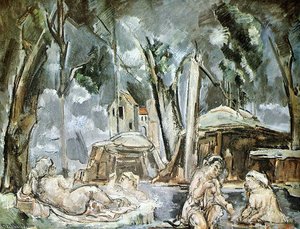
Колко произведения е създал Макс Либерман?Разкрийте отговора

В нашия каталог са представени 76 произведения на Макс Либерман, датирани от 1907 до 1952.

Къде са изложени най-известните оригинали на Макс Либерман?Разкрийте отговора

Предимно в The Phillips Collection (Вашингтон, окръг Колумбия), Brooklyn Museum (Бруклин) и Музей на изкуствата „Джон и Мейбъл Ринглин“ (Сарасота). В горната таблица с музеи са изброени всички тях.

Кога Макс Либерман създава най-известните си картини?Разкрийте отговора

В 1940s: 5 от 75 произведенията на тази страница са създадени тогава, като Untitled (Still Life) са сред тях.

Кои са най-ранните и най-късните известни творби на Макс Либерман?Разкрийте отговора

На тази страница най-старата е Gauguin Girl (1907), а най-новата е Pacific Coast (1952).

Към кои сюжети Макс Либерман се връща най-често?Разкрийте отговора

Nude figures (3), Melancholy mood (2) и American art (2), разпределени в 75 произведения на тази страница.

С кое художествено направление е свързан(а) Макс Либерман?Разкрийте отговора

Cubism, судейки по оригиналите на тази страница.

Кои оригинални творби на Макс Либерман притежава The Phillips Collection?Разкрийте отговора

High Noon, Colonial Bowl и Rabbi: The Phillips Collection, Вашингтон, окръг Колумбия притежава 5 от произведенията на тази страница.

Макс Либерман: художникът

Early Life and the Seeds of Modernism

Max Weber, born in Białystok, Poland in 1881, embarked on a journey that would indelibly mark the landscape of American art. His formative years were steeped in the traditions of Orthodox Judaism, a heritage that would later profoundly influence his artistic expression. The family’s emigration to Brooklyn, New York, when Weber was just ten years old, proved pivotal. This relocation thrust him into a vibrant, rapidly changing society—a crucible where Old World roots and New World aspirations collided. It was at the Pratt Institute in Brooklyn that Weber first formally engaged with art, studying under the influential Arthur Wesley Dow. Dow’s unwavering conviction in innovative artistic approaches – rejecting academic conventions for bolder experimentation – coupled with his exposure to Japanese aesthetics and connections to Paul Gauguin, ignited within Weber a nascent modernist sensibility. This encounter would prove transformative, shaping his artistic worldview for decades to come.

The Parisian Awakening and Introduction of Cubism

In 1905, Weber ventured into Europe, specifically Paris, the epicenter of avant-garde thought. His initial enrollment at the Académie Julian served merely as a stepping stone; it was his immersion in the city’s artistic milieu that truly propelled him toward artistic breakthrough. He forged enduring friendships with Henri Rousseau, whose evocative depictions of nature captivated him, and found himself drawn into the orbit of luminaries like Henri Matisse and Pablo Picasso—artists who were bravely dismantling established notions of representation. Weber frequented Gertrude Stein's salon, a legendary gathering place for artists, writers, and intellectuals, absorbing the latest currents in poetry and art theory. This exposure to the School of Paris fundamentally recalibrated his artistic trajectory. The stylistic dialogues he engaged with Gauguin and Picasso would become indelible marks on his oeuvre. Weber’s artistic exploration intensified during his time abroad, culminating in a profound engagement with Cubism. Influenced by Picasso's groundbreaking experiments with fractured perspectives and geometric abstraction, Weber embraced the challenge of portraying reality from multiple viewpoints simultaneously. His early works during this period – notably Chinese Restaurant (1915) – stand as compelling evidence of his commitment to Cubist fragmentation and geometric precision. This stylistic choice wasn’t merely a fashionable trend; it represented a deliberate rejection of traditional illusionistic techniques, signaling Weber's embrace of the modernist ethos.

Critical Backlash and a Steadfast Vision

The 1911 exhibition at the 291 Gallery, organized by Alfred Stieglitz, proved to be an agonizing ordeal for Weber—a moment of profound disillusionment that would reverberate throughout his artistic career. His paintings were subjected to what many consider “one of the most merciless critical whippings” ever endured by an American artist. Critics dismissed his work as “brutal,” “vulgar,” and utterly devoid of artistic merit, labeling it a betrayal of aesthetic ideals. The public struggled to comprehend Weber’s radical departure from representational norms, and he faced considerable censure from segments of the art establishment. This scathing critique fueled internal debate about his artistic direction and challenged him to reaffirm his convictions. Despite this disheartening assessment, Weber's talent remained recognized by fellow artists who championed his vision. Alvin Langdon Coburn, Clarence White, and John Cotton Dana – individuals deeply attuned to the burgeoning modernist movement – offered invaluable support and encouragement. Dana’s courageous decision to host a solo exhibition at the Newark Museum in 1913 was particularly significant—it marked the inaugural modernist showcase within an American institution, signaling a tentative acceptance of experimental artistic endeavors.

A Return to Figuration and Jewish Heritage

The persistent barrage of negative criticism prompted Weber to reconsider his artistic path. Around 1920, he gradually distanced himself from Cubist formalism, gravitating instead toward more expressive figurative painting. This stylistic shift wasn’t a repudiation of modernism but rather an exploration of new avenues for conveying emotion and narrative—a deliberate reconsideration of aesthetic priorities. His later works frequently depicted scenes imbued with Jewish symbolism – intimate family gatherings illuminated by candlelight, rabbis engaged in contemplative Talmudic study, and portraits capturing the spiritual depth of his heritage. These paintings were characterized by a palpable nostalgia and a renewed connection to Weber’s ancestral roots. Weber's legacy extends far beyond his artistic output; he embodies the spirit of courageous innovation—a pioneer who dared to challenge convention while simultaneously honoring tradition. His unwavering commitment to modernist principles, coupled with his profound engagement with Jewish culture, cemented his place as one of America’s foremost artists of the early 20th century. He remains celebrated not only for his groundbreaking contributions to Cubism but also for his enduring ability to articulate the complexities of human experience through a uniquely expressive visual language.

Всички 76 произведения на Макс Либерман →
