Портрет на Хлоуд Шюфенекер

24-те най-известни картини на Хлоуд Шюфенекер, селекция от галерията

Обновено Октомври 2026 · класирано според нашия индекс на популярност (търсения, посещения и поръчки за всяко произведение) · 26 творби на Хлоуд Шюфенекер в нашия каталог

Накратко

От всички оригинали, оставени от Хлоуд Шюфенекер, най-известният е Émile Bernard (1889), който се намира в колекцията на Музеят на изкуствата в Хюстън, Хюстън. След тях непосредствено следват Le retour des foins (1890) и A View Of The Cliffs Of Etretat. Нашият каталог съдържа 26 произведения на Хлоуд Шюфенекер; галерията е съхранила 24-те най-обожавани от света, всяко от тях представен с неговата дата, неговия музей и неговата история.

1851 – 1934, Хайт-Саон Post-impressionism Най-много творби: Wallraf-Richartz-Museum

Топ 10-те картини на Хлоуд Шюфенекер: изборът на галерията

Изборът на Хлоуд Шюфенекер продължава, от 11 до 24

Темите, които привличат погледа на Хлоуд Шюфенекер

Четирите найчесто срещани теми в тези оригинални творби, всяка с най-добрия си пример.

Музеите, в които се съхраняват оригиналите на Хлоуд Шюфенекер

5 музея, които притежават най-голям брой от картините на тази страница.

Музеи Град Творения на Хлоуд Шюфенекер Картини от този списък
Wallraf-Richartz-Museum, КьолнWallraf-Richartz-Museum Кьолн 3 Child Dreaming Before the Sea, at Sunset, Kelp Gatherers, Notre Dame in the Snow
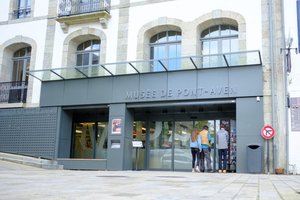
Musée de Pont-Aven, ХастенпаркMusée de Pont-Aven Хастенпарк 3 Portrait of Jules Bois, Profile study of a young woman, Portrait of Madame Champsaur
Музеят на изкуствата в Хюстън, ХюстънМузеят на изкуствата в Хюстън Хюстън 1 Émile Bernard
Крьолер-Мюлер Музей, ОттерлоКрьолер-Мюлер Музей Оттерло 1 Still Life with Bowl and Fruits
Musée des Beaux-Arts de Quimper, QuimperMusée des Beaux-Arts de Quimper Quimper 1 Rocky Coast in Brittany

Хлоуд Шюфенекер година по година: оригиналите, които дефинират всяка една

Изборът обхваща периода от 12 години, от 1884 до 1895, представяйки най-добрите оригинални творби на Хлоуд Шюфенекер за всяка година.

Работи по години

Изберете година, за да разгледате оригиналите.

Въпроси на колекционерите относно картините на Хлоуд Шюфенекер

С кое произведение е най-известен Хлоуд Шюфенекер?Разкрийте отговора

Émile Bernard (1889), Музеят на изкуствата в Хюстън, Хюстън. Следват Le retour des foins (1890) и A View Of The Cliffs Of Etretat.

На каква възраст е бил Хлоуд Шюфенекер, когато е създадена Émile Bernard?Разкрийте отговора

38 години: Émile Bernard е от 1889 г., а Хлоуд Шюфенекер е роден/а в 1851.

Кои са десетте най-известни картини на Хлоуд Шюфенекер?Разкрийте отговора

Émile Bernard, Le retour des foins, A View Of The Cliffs Of Etretat, Evening walk, Child Dreaming Before the Sea, at Sunset, The First Murder (also known as The Death of Abel), Still Life with Bowl and Fruits, Kelp Gatherers, Rocky Coast in Brittany и Notre Dame in the Snow. Класацията по-горе показва годината и музея за всяко от тях.

Колко картини е оставил Хлоуд Шюфенекер?Разкрийте отговора

В нашия каталог са представени 26 произведения на Хлоуд Шюфенекер, датирани от 1884 до 1895.

В кои музеи са изложени шедьоврите на Хлоуд Шюфенекер?Разкрийте отговора

Предимно в Wallraf-Richartz-Museum (Кьолн), Musée de Pont-Aven (Хастенпарк) и Музеят на изкуствата в Хюстън (Хюстън). В горната таблица с музеи са изброени всички тях.

В кои години Хлоуд Шюфенекер е създал най-известните си произведения?Разкрийте отговора

В 1884: 2 от 24 произведенията на тази страница са създадени тогава, като Child Dreaming Before the Sea, at Sunset са сред тях.

Кои са първата и последната известни оригинални творби на Хлоуд Шюфенекер?Разкрийте отговора

На тази страница най-старата е Child Dreaming Before the Sea, at Sunset (1884), а най-новата е Portrait of Jules Bois (1895).

Кои теми избира най-често Хлоуд Шюфенекер?Разкрийте отговора

French art (3), Landscape painting (2) и Beach (2), разпределени в 24 произведения на тази страница.

Към коهoто художествено направление принадлежи Хлоуд Шюфенекер?Разкрийте отговора

Post-impressionism и Impressionism, судейки по оригиналите на тази страница.

Кои произведения на Хлоуд Шюфенекер се съхраняват в Wallraf-Richartz-Museum?Разкрийте отговора

Child Dreaming Before the Sea, at Sunset, Kelp Gatherers и Notre Dame in the Snow: Wallraf-Richartz-Museum, Кьолн притежава 3 от произведенията на тази страница.

Хлоуд Шюфенекер: живот и творчество

Claude Emile Schuffenecker (1851–1934): An Unsung Pioneer of Impressionism

Claude Emile Schuffenecker, born December 8th, 1851, in Haute-Saône, France, remains a figure largely overshadowed by the luminaries of his era – Paul Gauguin and Odilon Redon. Yet, this quiet French Post-Impressionist artist possessed an undeniable contribution to the artistic landscape of late nineteenth century Paris, marked by a fervent dedication to capturing fleeting moments of beauty and a pioneering role in fostering the burgeoning field of art collecting. His life’s journey unfolded amidst considerable personal hardship, yet his artistic vision persisted, shaping landscapes imbued with atmospheric subtlety and portraits reflecting profound psychological depth—a testament to an artist who deserved greater recognition for his enduring legacy.

Early Life & Artistic Formation

Schuffenecker's upbringing was shaped by familial circumstances that instilled a strong work ethic. Following the untimely death of his father, Nicolas Schuffenecker—a tailor from Guewenheim (Alsace)—in 1854, he and his brother Amédée faced significant economic challenges as their mother relocated to Meudon, near Paris, where her family resided. Supported by his maternal aunt Anne Fauconnet Monnet, Schuffenecker received a robust education at the frères des écoles chrétiennes, preparing him for a career in commerce—specifically, assisting his uncle Pierre Cornu’s chocolate and coffee roasting business. This practical grounding would prove invaluable later in life, providing stability amidst artistic pursuits. Crucially, he found kindred spirits in Gauguin and Redon, engaging in spirited discussions about the masters at the Louvre and honing his skills at the Académie Colarossi—a formative experience that cemented his commitment to exploring innovative approaches to painting.

Friendship with Gauguin & The Volpini Exhibition

A pivotal relationship blossomed between Schuffenecker and Paul Gauguin—a connection that transcended mere artistic camaraderie and deepened into genuine friendship. Both men shared a profound fascination for studying Old Masters, meticulously analyzing compositions and techniques at the Louvre to discern their underlying principles. This intellectual exchange fueled their creative endeavors and solidified their conviction in pursuing stylistic experimentation—a characteristic that would define Schuffenecker’s oeuvre. Notably, Schuffenecker played an instrumental role in organizing the Volpini Exhibition of 1889—a landmark event showcasing Impressionist art and attracting considerable public attention. His involvement underscored his belief in disseminating artistic ideas and fostering dialogue within the Parisian avant-garde—demonstrating a visionary understanding of how to propel artistic progress forward.

Schuffenecker’s Artistic Style & Influences

Schuffenecker's distinctive style is characterized by a masterful manipulation of light and color—traits undeniably influenced by Impressionism, yet tempered with a sensitivity to Symbolist aesthetics. He prioritized conveying mood and emotion over strict adherence to topographical accuracy—a stylistic choice that reflected his belief in capturing the essence of experience rather than merely replicating visual reality. Consider “Near Meudon,” where Schuffenecker captures the ethereal quality of twilight, employing delicate brushstrokes and muted hues to convey a profound sense of tranquility—a scene imbued with symbolic resonance that speaks to the artist’s deep understanding of human psychology. Similarly, "Paysage Landscape" exemplifies his ability to distill complex visual information into evocative representations of nature—a testament to his artistic prowess and unwavering dedication to exploring expressive possibilities. He was particularly captivated by Vincent van Gogh’s bold use of color and texture—recognizing the transformative potential of conveying inner feelings through visual media—and he absorbed many stylistic elements from this influential artist.

A Controversial Legacy & Rediscovery

Despite Schuffenecker's considerable contribution to Impressionism and art collecting—including his early involvement in establishing a collection of Van Gogh paintings—his artistic reputation suffered a significant setback following the 1920s, fueled by accusations of stylistic imitation and speculation regarding the authenticity of certain artworks attributed to him. Scholarly research has begun to illuminate Schuffenecker’s life and oeuvre with greater nuance—challenging simplistic judgments about his originality and acknowledging his unwavering commitment to artistic exploration. Recent investigations have bolstered a more measured assessment of his achievements—emphasizing his profound sensitivity to atmospheric subtleties and psychological depth—and prompting renewed interest in his work—a welcome reconsideration of an artist who deserved greater recognition for his enduring legacy.