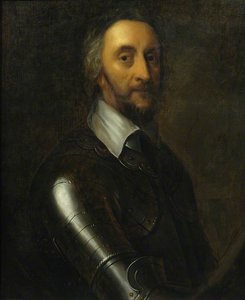
Портрет на Томас Мърей

Картини на Томас Мърей: 25-те най-известни, през погледа на галерията

Обновено Ноември 2026 · класирано според нашия индекс на популярност (търсения, посещения и поръчки за всяко произведение) · 26 творби на Томас Мърей в нашия каталог

Накратко

Според избора на галерията най-известната картина на Томас Мърей е William Dampier (1698), чийто оригинал се намира в Национална портретна галерия, Лондон. Portrait of an Unknown Man in a Blue Cloak (1702) и Lady Mary Booth (1704–1772), Later Countess of Stamford (1717) допълват трио, което всяко око разпознава. От 26 произведения на Томас Мърей в нашия каталог, галерията представя 25 най-известните по-долу – всяко от тях е оригинал с посочен година, музей и това, което го прави уникално.

1663 – 1734 Baroque Най-много творби: Королската академия

Топ 10 карти на Томас Мърей в галерията

1
William Dampier (1698) на Томас Мърей

William Dampier

A Window into 17th-Century Exploration: Thomas Murray’s Portrait of William Dampier This striking half-length portrait by Scottish artist Thomas Murray captures the essence of *William Dampier*, a figure who embodied the spirit of adventure and scientific inquiry during the late 17th century. Painted in 1698, the artwork offers not just a likeness but a glimpse into an era defined by exploration, piracy, and burgeoning natural history. The composition, reminiscent of…

2
Portrait of an Unknown Man in a Blue Cloak (1702) на Томас Мърей

Portrait of an Unknown Man in a Blue Cloak

1702 · Oil On Canvas · National Trust, Йорк

The man sits in a quiet, centered stillness, his presence anchored by the weight of a blue cloak. Light falls from the side, catching the ridge of a nose and the soft texture of skin, while the rest of his form recedes into a gentle, hazy landscape. He is a figure of the early eighteenth century, caught in a moment of composed dignity. His hands rest before him, casual yet…

3
Lady Mary Booth (1704–1772), Later Countess of Stamford (1717) на Томас Мърей

Lady Mary Booth (1704–1772), Later Countess of Stamford

1717 · Oil On Canvas · National Trust, Бодмин

This oil on canvas portrait, dated 1717, presents Lady Mary Booth, later the Countess of Stamford, within an oval frame. The subject is positioned in the center of the composition, shown from the torso upward. Her head is turned slightly toward the right, while her gaze remains directed toward the viewer. She wears a garment featuring a white lace collar and sleeves that show detailed texture through layered paint. The…

4
Sir John Vanbrugh (1718) на Томас Мърей

Sir John Vanbrugh

1718 · Oil

A single man occupies the center of this 1718 oil painting, his presence anchored by the heavy, dark shadows of a brown background. He is a figure of substance, draped in a red velvet coat that catches the light in thick, tactile folds. Gold embroidery traces the edges of his garment, catching a directional light that defines the sharp contours of his face and the voluminous curls of his golden-brown…

5
Sir Hugh Clopton (1671–1751) (1724) на Томас Мърей

Sir Hugh Clopton (1671–1751)

1724 · Oil On Canvas · Shakespeare Birthplace Trust, Ейвън

In the quiet dignity of Thomas Murray’s 1724 portrait, Sir Hugh Clopton emerges from the shadows of history, offering a profound encounter with the elegance of the English Enlightenment. This masterful oil on canvas is far more than a mere likeness; it is a carefully constructed window into an era defined by social hierarchy, refined taste, and the burgeoning prestige of the landed gelerate. As the viewer’s eye meets the…

6
John Radcliffe (1652–1714), Physician (after Godfrey Kneller) (1731) на Томас Мърей

John Radcliffe (1652–1714), Physician (after Godfrey Kneller)

The room feels quiet, held in a heavy, still atmosphere where the only movement is the soft play of light across a man’s face. He sits with a quiet, settled dignity, his presence commanding the space without the need for grand gestures. This is a portrait of John Radcliffe, a man whose life was defined by the precision of medicine and the weight of intellectual standing. He is captured in…

7
John Flamsteed (1646–1719) (1680) на Томас Мърей

John Flamsteed (1646–1719)

1680 · Oil On Canvas · Королската академия, Лондон

The portrait of John Flamsteed, executed in 1680, presents the subject in an oval format against a dark, indistinct background. He is depicted with long, curly hair that falls around his face, a style characteristic of the late 17th century. His attire consists of a black robe paired with a crisp white collar. The lighting is applied using a chiaroscuro technique, creating a strong contrast between the illuminated contours of…

8
Henry Bradshaigh (1685) на Томас Мърей

Henry Bradshaigh

1685 · Oil · Wigan Arts And Heritage Service, Wigan

The air in the portrait feels heavy with the weight of metal and duty. Henry Bradshaigh gazes out from the canvas, his presence commanding a quiet, martial authority. He is a man defined by the tools of his station, draped in the intricate armor of a bygone era. The steel plates catch a dim, unseen light, revealing the rivets and the cold, hard texture of his protection. His long, curly…

9
Edmond Halley (1656–1742) (1690) на Томас Мърей

Edmond Halley (1656–1742)

1690 · Oil On Canvas · Королската академия, Лондон

A stern gaze meets the viewer through the heavy, dark tones of this 1690 oil on canvas. The subject, Edmond Halley, is rendered with a meticulous focus on the facial features, a hallmark of the refined face-painting style developed in the studio of John Riley. He is depicted with long hair and a beard, his expression fixed in a moment of quiet, intellectual intensity. Clad in the formal attire of…

10
Edward Russell, Earl of Orford (1652–1727), Captain John Benbow (1653–1702), and Admiral Ralph Delavall (c.1645–1707) (1693) на Томас Мърей

Edward Russell, Earl of Orford (1652–1727), Captain John Benbow (1653–1702), and Admiral Ralph Delavall (c.1645–1707)

1693 · Oil On Canvas · Government Art Collection, Лондон

Three men occupy the frame, anchored by the heavy stillness of red coats. They stand in a row, a human barricade against the pale sky. To the left, a man with long, flowing hair wears a tie that catches the light. Beside him, a figure holds a globe, the sphere a silent witness to the vastness of the sea. On the right, a man grips a book, his fingers steady…

Картини на Томас Мърей, класирани от 11 до 25

Знаменитите картини на Томас Мърей, период по период

Темите, които привличат погледа на Томас Мърей

Четирите найчесто срещани теми в тези оригинални творби, всяка с най-добрия си пример.

Музеите, в които се съхраняват оригиналите на Томас Мърей

8 музея, които притежават най-голям брой от картините на тази страница.

Музеи Град Творения на Томас Мърей Картини от този списък
Королската академия, ЛондонКоролската академия Лондон 4 John Flamsteed (1646–1719), Edmond Halley (1656–1742), Thomas Howard (1585–1646), 14th Earl of Arundel
The Queen's College, ОксфордThe Queen's College Оксфорд 4 Philippa (1314 –1369), Queen Consort of Edward III, Robert Eglesfield (c.1295–1349), Founder of the College, William Lancaster (1650–1717), Provost (1704–1717) (copy)
Национална портретна галерия, ЛондонНационална портретна галерия Лондон 2 William Dampier, King William III
National Trust, ЙоркNational Trust Йорк 1 Portrait of an Unknown Man in a Blue Cloak
National Trust, БодминNational Trust Бодмин 1 Lady Mary Booth (1704–1772), Later Countess of Stamford
Shakespeare Birthplace Trust, ЕйвънShakespeare Birthplace Trust Ейвън 1 Sir Hugh Clopton (1671–1751)
Музей и архив на болница „Св. Вартоломей“, ЛондонМузей и архив на болница „Св. Вартоломей“ Лондон 1 John Radcliffe (1652–1714), Physician (after Godfrey Kneller)
Wigan Arts And Heritage Service, WiganWigan Arts And Heritage Service Wigan 1 Henry Bradshaigh

Томас Мърей, по една емблематична картина на десетилетие

Произведения по десетилетия

Изберете десетилетие, за да видите оригиналната творба, която го определя.

Картините на Томас Мърей: отговорите на галерията

Коя картина на Томас Мърей е най-известната от всички?Разкрийте отговора

William Dampier (1698), Национална портретна галерия, Лондон. Следват Portrait of an Unknown Man in a Blue Cloak (1702) и Lady Mary Booth (1704–1772), Later Countess of Stamford (1717).

На каква възраст беше Томас Мърей, когато завърши William Dampier?Разкрийте отговора

35 години: William Dampier е от 1698 г., а Томас Мърей е роден/а в 1663.

Кои са 10-те най-добри картини на Томас Мърей?Разкрийте отговора

William Dampier, Portrait of an Unknown Man in a Blue Cloak, Lady Mary Booth (1704–1772), Later Countess of Stamford, Sir John Vanbrugh, Sir Hugh Clopton (1671–1751), John Radcliffe (1652–1714), Physician (after Godfrey Kneller), John Flamsteed (1646–1719), Henry Bradshaigh, Edmond Halley (1656–1742) и Edward Russell, Earl of Orford (1652–1727), Captain John Benbow (1653–1702), and Admiral Ralph Delavall (c.1645–1707). Класацията по-горе показва годината и музея за всяко от тях.

Колко произведения е създал Томас Мърей?Разкрийте отговора

В нашия каталог са представени 26 произведения на Томас Мърей, датирани от 1680 до 1731.

Къде са изложени най-известните оригинали на Томас Мърей?Разкрийте отговора

Предимно в Королската академия (Лондон), The Queen's College (Оксфорд) и Национална портретна галерия (Лондон). В горната таблица с музеи са изброени всички тях.

Кога Томас Мърей създава най-известните си картини?Разкрийте отговора

В 1710s: 4 от 25 произведенията на тази страница са създадени тогава, като Lady Mary Booth (1704–1772), Later Countess of Stamford са сред тях.

Кои са най-ранните и най-късните известни творби на Томас Мърей?Разкрийте отговора

На тази страница най-старата е John Flamsteed (1646–1719) (1680), а най-новата е John Radcliffe (1652–1714), Physician (after Godfrey Kneller) (1731).

Към кои сюжети Томас Мърей се връща най-често?Разкрийте отговора

Man (9), Portrait (4) и Historical figure (4), разпределени в 25 произведения на тази страница.

С коя техника е работил най-често Томас Мърей?Разкрийте отговора

Oil On Canvas, за 10 от 25 произведения на тази страница.

С кое художествено направление е свързан(а) Томас Мърей?Разкрийте отговора

Baroque, судейки по оригиналите на тази страница.

Кои оригинални творби на Томас Мърей притежава Королската академия?Разкрийте отговора

John Flamsteed (1646–1719), Edmond Halley (1656–1742) и Thomas Howard (1585–1646), 14th Earl of Arundel: Королската академия, Лондон притежава 4 от произведенията на тази страница.

Томас Мърей: художникът

Early Life and Apprenticeship

Thomas Murray, born in Scotland in 1663, emerged during a period of significant artistic transition. While details surrounding his early upbringing remain somewhat elusive, it is known that he initially received instruction from a member of the esteemed De Critz family—a lineage renowned for their limner work and heraldic painting. This foundational training likely instilled in Murray a meticulous attention to detail and an appreciation for refined technique. However, recognizing the burgeoning demand for portraiture, his artistic path soon led him to London and the studio of John Riley, arguably the most successful portraitist of the late 17th century England. Riley’s workshop was a hub of activity, catering to the aristocracy and gentry, and Murray quickly absorbed the prevailing style—a focus on capturing likeness with an emphasis on facial features, often leaving the broader composition and background details to assistants. This division of labor was common at the time, but it shaped Murray's early career trajectory.

A Flourishing Portrait Practice

Following Riley’s death in 1691, Murray inherited not only his studio space but also a substantial clientele. He rapidly established himself as a prominent portrait painter, becoming highly sought after by noble patrons and individuals of standing. The early years of the 18th century saw him consistently engaged in commissions, painting members of Parliament, military figures, and other influential personalities. His style, while initially derivative of Riley’s, gradually developed its own distinct character—a refined elegance coupled with a remarkable ability to convey personality through subtle nuances of expression. Murray's success wasn’t solely attributable to his artistic skill; he cultivated a reputation for being courteous, diligent, and attentive to the needs of his sitters, fostering strong relationships that secured repeat business and valuable referrals.

Royal Commissions and Artistic Recognition

A pivotal moment in Murray’s career arrived in 1703 when he received the prestigious commission to paint Queen Anne for the Society of the Middle Temple. This portrait, a testament to his growing reputation, solidified his position among the leading artists of the day. The work exemplifies his mastery of capturing regal bearing and dignified composure. Beyond this significant royal commission, Murray continued to receive commissions from prominent figures, including William Dampier, the renowned explorer, whose portrait showcases his ability to depict character and experience. He was a prolific artist, producing numerous portraits that now grace both public institutions and private collections.

The Uffizi Self-Portrait and Later Life

In 1708, Murray embarked on a journey to Italy, a common practice for aspiring artists seeking inspiration from the Old Masters. During his visit to Florence, he contributed a self-portrait to the esteemed Uffizi Gallery—a gesture that underscored his ambition and desire for recognition within the broader European art world. This portrait, like many of his others, was subsequently engraved, further disseminating his image and style. Despite achieving considerable financial success – it is reported he left £40,000 upon his death in 1734—Murray’s later life was marked by a degree of irony. He had reportedly complained of poverty throughout his career, yet amassed a substantial fortune through shrewd investments alongside his painting practice. His will stipulated the erection of a monument with a bust in Westminster Abbey, but only if it did not prove too costly. Ultimately, his nephew deemed the cost prohibitive and instead buried him in St. Paul’s, Covent Garden, leaving the grand memorial unrealized.

Legacy and Historical Significance

Thomas Murray occupies a fascinating position within the history of British portraiture. He was not an innovator in the same vein as Van Dyck or Reynolds, but he was a highly skilled craftsman who successfully catered to the tastes of his era. His portraits offer valuable insights into the social and political landscape of early 18th-century England, capturing the likenesses of individuals who shaped the nation’s destiny. While often described as a “face painter,” relying on assistants for broader compositional elements, Murray's ability to imbue his sitters with personality and dignity remains undeniable. His work serves as a compelling reminder of the importance of portraiture in documenting history and preserving the memory of those who came before. His contribution lies not in revolutionizing artistic technique but in consistently delivering high-quality portraits that met the demands of a discerning clientele, securing his place as one of Scotland’s most successful portrait painters.