1


Обновено Ноември 2026 · класирано според нашия индекс на популярност (търсения, посещения и поръчки за всяко произведение) · 19 творби на Thomas Herbst в нашия каталог
Накратко
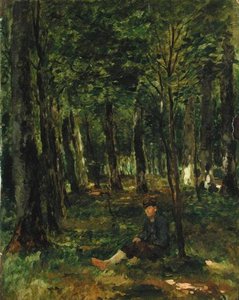
От всички оригинали, оставени от Thomas Herbst, най-известният е Two Children (1900), който се намира в колекцията на Баварски държавни списъци с произведения на изкуството, Мюнхен. След тях непосредствено следват Birches (1885) и Farmstead in Niedersachsen (1892). Нашият каталог съдържа 19 произведения на Thomas Herbst; галерията е съхранила 18-те най-обожавани от света, всяко от тях представен с неговата дата, неговия музей и неговата история.


Четирите найчесто срещани теми в тези оригинални творби, всяка с най-добрия си пример.
2 музея, които притежават най-голям брой от картините на тази страница.
| Музей | Град | Творения на Thomas Herbst | Картини от този списък |
|---|---|---|---|
 Баварски държавни списъци с произведения на изкуството |
Мюнхен | 3 | Two Children, Farmstead in Niedersachsen, Landscape |
 Alte Nationalgalerie |
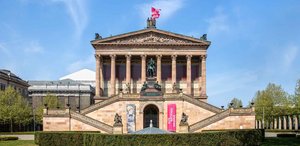
Берлин | 1 | Birches |
Изберете десетилетие, за да видите оригиналната творба, която го определя.
Two Children (1900), Баварски държавни списъци с произведения на изкуството, Мюнхен. Следват Birches (1885) и Farmstead in Niedersachsen (1892).
52 години: Two Children е от 1900 г., а Thomas Herbst е роден/а в 1848.
Two Children, Birches, Farmstead in Niedersachsen, Landscape, A Village In Winter, Wood, Horses at Water, Field Workers, Street in Altenbruch и At The Village Pond. Класацията по-горе показва годината и музея за всяко от тях.
В нашия каталог са представени 19 произведения на Thomas Herbst, датирани от 1885 до 1900.
Предимно в Баварски държавни списъци с произведения на изкуството (Мюнхен) и Alte Nationalgalerie (Берлин). В горната таблица с музеи са изброени всички тях.
В 1900s: 2 от 18 произведенията на тази страница са създадени тогава, като Two Children са сред тях.
На тази страница най-старата е Birches (1885), а най-новата е Two Children (1900).
Forests (3), Village (2) и Roads (2), разпределени в 18 произведения на тази страница.
Two Children, Farmstead in Niedersachsen и Landscape: Баварски държавни списъци с произведения на изкуството, Мюнхен притежава 3 от произведенията на тази страница.
Thomas Ludwig Herbst, a name whispered with affection in the annals of German art history, was far more than a mere chronicler of the countryside; he was a poet of light and atmosphere. Born in 1848 amidst the burgeoning industrial energy of Hamburg, Herbst’s life unfolded during a transformative era for European aesthetics. While his early years were rooted in the steady traditions of his German heritage, his artistic soul was destined to wander through the most prestigious academies of Europe. His journey began with foundational lessons under Jakob Becker in Frankfurt, but it was his subsequent migrations—to the Prussian Academy of Arts in Berlin, the Weimar Saxon Grand Ducal Art School, and eventually the vibrant art scenes of Düsseldorf and Paris—that forged his unique vision. In Paris, rubbing shoulders with contemporaries like Max Liebermann, Herbst absorbed the revolutionary tenets of Impressionism, learning to prioritize the ephemeral flicker of sunlight over the rigid permanence of form.
The essence of Herbst’s work lies in its profound connection to the natural world, specifically the serene and rolling landscapes of Holstein. He possessed an uncanny ability to translate the tactile reality of a meadow into a sensory experience for the viewer. His technique, characterized by loose, expressive brushstrokes, allowed him to capture the fleeting qualities of weather and time. Whether depicting a dense, tranquil forest or an expansive pasture, Herbst sought to convey the emotional resonance of the landscape. This dedication to capturing the "feeling" of a moment led to his enduring legacy as a master of atmospheric conditions, where the air itself seems to shimmer with moisture or warmth upon the canvas.
Perhaps the most endearing chapter of Herbst’s biography is the origin of his beloved nickname, “Kuhherbst”. This moniker, meaning "Cow Herbst," was bestowed upon him by admirers who recognized his unparalleled devotion to his favorite subject: the cattle grazing in the Holstein pastures. To many, these were not merely animal portraits but studies in harmony and peace. In works such as A Cow In The Meadow, one can observe how he utilized a luminous color palette to evoke the golden warmth of a summer afternoon. His ability to integrate livestock into the broader landscape without making them appear as mere ornaments is a testament to his skill; the animals become part of the very breath of the earth he painted.
Beyond the pastoral, Herbst’s contributions to the German art movement were significant and structural. As a founding member of the Hamburgischer Künstlerklub in 1897, he helped establish a platform for local experimentation and excellence. Though his temperament was occasionally at odds with the evolving cultural standards of the club—leading to his eventual resignation—his influence on the Hamburg art scene remained indelible. His life’s work serves as a bridge between the academic rigor of the mid-19th century and the sensory freedom of late-century Impressionism, leaving behind a body of work that continues to invite viewers into a world of quiet, pastoral splendor.