A Brushstroke of Regency Splendor: The Life and Art of Sir Thomas Lawrence
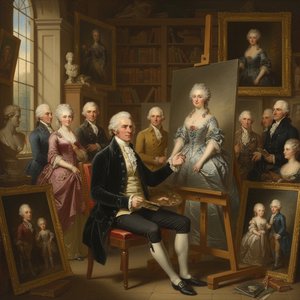
Sir Thomas Lawrence, a name synonymous with the elegance and sophistication of the Regency era, was more than just a portrait painter; he was a chronicler of his time. Born in Bristol in 1769 amidst the bustling port city’s vibrant atmosphere, his early life was marked by a nomadic existence, following his father's innkeeping ventures through Devizes and Bath. It was within these convivial settings – the Bear Hotel in Devizes and the various inns of Bath – that Lawrence first discovered his artistic talent, sketching remarkably accurate portraits for patrons, a skill he honed without formal instruction, fueled by innate ability and keen observation. Even at a young age, he demonstrated an entrepreneurial spirit, supporting his family with his pastel drawings while still a teenager in Bath, showcasing a remarkable independence and drive. This early experience shaped his career, fostering self-reliance and a dedication to his craft that would define his life’s work.Ascension to Portraiture's Pinnacle
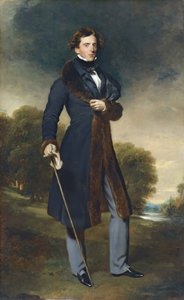
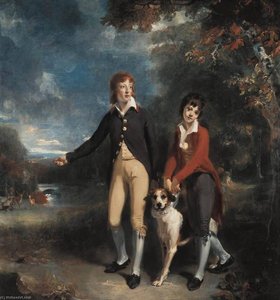
The move to London at the tender age of eighteen marked a dramatic shift for Lawrence – an ascent into the heart of British society. He swiftly established himself as a portrait painter in oils, securing his first royal commission – a captivating portrait of Queen Charlotte in 1789 – which catapulted him to immediate fame and recognition. This wasn’t merely about technical skill; Lawrence possessed an extraordinary ability to capture not just likeness but also *character*, imbuing his subjects with a flattering yet insightful presence. He became renowned for his mastery of portraying the glamour, sophistication, and social dynamics of the Regency period, painting nobility, royalty, and prominent figures with a virtuoso handling of paint that drew comparisons to Sir Joshua Reynolds, whom he deeply admired. His election as an associate, then full member, of the Royal Academy in 1791 and 1794 respectively solidified his position within the established art world, cementing his status as one of Britain’s leading artists. Lawrence's style evolved subtly over time, always maintaining a commitment to grace, elegance, and meticulous detail – hallmarks that defined his enduring appeal.Patronage, Prestige, and the Waterloo Chamber
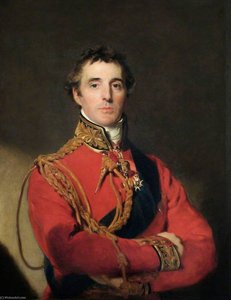
The patronage of the Prince Regent (later King George IV) proved pivotal in Lawrence’s career trajectory. This influential relationship led to one of his most ambitious and historically significant commissions: the creation of portraits for the Waterloo Chamber at Windsor Castle. This vast undertaking demanded not only technical brilliance but also a profound understanding of grand scale and historical narrative. Lawrence meticulously painted 24 full-length portraits of allied military leaders – figures instrumental in Napoleon’s defeat – capturing their gravitas, authority, and strategic importance. These monumental works were intended to commemorate the victory at Waterloo and served as a powerful symbol of British power and prestige. The project brought Lawrence widespread acclaim across Europe, solidifying his reputation as a master portraitist capable of handling complex historical themes with both artistry and sensitivity. In 1815, he was knighted in recognition of his service to the Crown, further elevating his status within British society.A Legacy Tempered by Complexity
Despite his considerable success and widespread acclaim, Lawrence’s life was not without its complexities and challenges. He struggled with persistent financial difficulties throughout much of his career, often burdened by debt despite earning substantial sums from his commissions. His personal life was marked by tumultuous relationships, most notably with Sally and Maria Siddons, daughters of the celebrated actress Sarah Siddons – connections that provided inspiration but also brought heartache and scandal. Furthermore, Lawrence’s sitters reflected the social realities of Regency England, including both slave owners and abolitionists, a poignant reminder of the moral ambiguities inherent in the era. His reputation experienced a decline during the Victorian period as tastes shifted towards more overtly didactic art forms, yet his legacy has since been partially restored, recognizing him as a significant figure in British artistic history – a master of portraiture who captured the spirit and essence of his time.Influences and Enduring Impact
Lawrence’s artistic development was profoundly shaped by Sir Joshua Reynolds, whose emphasis on capturing character and employing a fluid brushstroke resonated deeply with the young artist. He diligently studied Old Master drawings, particularly those by Michelangelo and Raphael, absorbing their anatomical precision and compositional skills. While rooted in tradition, Lawrence's work also reflected the emerging Romantic sensibilities of his time, embracing glamour, emotional intensity, and a heightened sense of drama. His influence can be seen in the works of later portrait painters who sought to emulate his style and capture the spirit of an era. Lawrence’s legacy endures as a testament to his talent, charm, and enduring contribution to the world of art – a captivating glimpse into the opulent and complex world of Regency England.Въпроси и отговори
Къде мога да видя творбите на Томас Лоуранс в 3D галерия?
Възможно е виртуално посещение: страницата 3D галерия на Томас Лоуранс представя творбите на художника в триизмерна галерия.
Има ли пълен списък с всички произведения на Томас Лоуранс?
Всички произведения на Томас Лоуранс в ето този уебсайт могат да бъдат разгледани на неговата страница с всички творби: Всички произведения на изкуството.
Мога ли да разгледам творбите на Томас Лоуранс по цвят?
Работите на Томас Лоуранс могат да бъдат разгледани по цвят на страницата Спектър по цвят на художника.