


1


Обновено Ноември 2026 · класирано според нашия индекс на популярност (търсения, посещения и поръчки за всяко произведение) · 60 творби на Peter Jacob Horemans в нашия каталог
Накратко
От всички оригинали, оставени от Peter Jacob Horemans, най-известният е Portrait of Frau Heigl (1738), който се намира в колекцията на Баварски държавни списъци с произведения на изкуството, Мюнхен. След тях непосредствено следват Kitchen Still Life with Coffee Drinker (1765) и Musical Still Life with Horn Player (1765). Нашият каталог съдържа 60 произведения на Peter Jacob Horemans; галерията е съхранила 58-те най-обожавани от света, всяко от тях представен с неговата дата, неговия музей и неговата история.


 The Smoker1764 · Баварски държавни списъци с произведения на изкуството
12
 Hunting Still Life with Hunter1765 · Баварски държавни списъци с произведения на изкуството
13
 Hunting Still Life with Hunter1765 · Баварски държавни списъци с произведения на изкуството
14
 Kitchen Interior with Beer Drinker1765 · Баварски държавни списъци с произведения на изкуството
15
 Kitchen Still Life with Female Figure Counting Money and Parrot1760 · Баварски държавни списъци с произведения на изкуството
16
 Still Life with Violinist1763 · Баварски държавни списъци с произведения на изкуството
17
 The Tailor's Workshop1759
18
 Still life with a distinguished gentleman1762 · Баварски държавни списъци с произведения на изкуството
19
 Fruit still life with a female figure drinking wine1764 · Баварски държавни списъци с произведения на изкуството
20
 Kitchen still life with female figure and parrot (An allegory of feeling)1760 · Баварски държавни списъци с произведения на изкуството
21
 Shoemakers-shop1759
22
 Still Life with Female Figure1770 · Баварски държавни списъци с произведения на изкуството
23
 Kitchen Still Life with Female Figure and Parrot1771 · Баварски държавни списъци с произведения на изкуството
24
 Court Musician Felix Reiner with Bassoon1774 · Баварски държавни списъци с произведения на изкуството
25
 Court Musician with Violin (Johann Georg Holzbogen)1774 · Баварски държавни списъци с произведения на изкуството
26
 Still Life "The Treasurer"1773 · Баварски държавни списъци с произведения на изкуството
27
 Kitchen Still Life with Female Figure and Parrot1771 · Баварски държавни списъци с произведения на изкуството
28
 Portrait of District Administrator Josef Heigl1768 · Баварски държавни списъци с произведения на изкуството
29
 Spring (Johanna de Lasence Having Coffee in the Garden)1767 · Баварски държавни списъци с произведения на изкуството
30
 Self-portrait in the artist's atelier1766 · Баварски държавни списъци с произведения на изкуството
31
 Bildnis eines Silberdieners1772 · Баварски държавни списъци с произведения на изкуството
32
 Portrait of court sculptor Roman Anton Boos (1730-1810) in his studio next to a bust of elector Maximilian III1766 · Баварски държавни списъци с произведения на изкуството
33
 Hunting a wild boar1773 · Национален музей във Варшава
34
 Hunting with falcons1773 · Национален музей във Варшава
35
 Picnic in the park1776 · Lenbachhaus
36
 Concert in the garden1776 · Lenbachhaus
37
 Still Life with Plucked Chicken1764 · Баварски държавни списъци с произведения на изкуството
38
 Still Life with Pork Knuckle and Squirrel1765 · Баварски държавни списъци с произведения на изкуството
39
 Still Life with Dead Partridge1764 · Баварски държавни списъци с произведения на изкуството
40
 Still Life with Fish1765 · Баварски държавни списъци с произведения на изкуството
41
 Still Life with Pork Knuckle and Parrot1765 · Баварски държавни списъци с произведения на изкуството
42
 Still Life with Fruit1765 · Баварски държавни списъци с произведения на изкуството
43
 Still Life with Dead Lamb1765 · Баварски държавни списъци с произведения на изкуството
44
 Still Life with Dead Hare1764 · Баварски държавни списъци с произведения на изкуството
45
 Still Life with Fruit1765 · Баварски държавни списъци с произведения на изкуството
46
 Still Life with Kitchen Utensils and Plucked Chicken1765 · Баварски държавни списъци с произведения на изкуството
47
 Still Life with Kitchen Utensils and Dead Partridge1765 · Баварски държавни списъци с произведения на изкуството
48
 Still Life with Lobster1765 · Баварски държавни списъци с произведения на изкуството
49
 Still Life with Lobster1766 · Баварски държавни списъци с произведения на изкуството
50
 Still Life with Grapes and Apples1768 · Баварски държавни списъци с произведения на изкуството
51
 Fruit Still Life1770 · Баварски държавни списъци с произведения на изкуството
52
 Still Life with Crabs1766 · Баварски държавни списъци с произведения на изкуството
53
 Fruit Still Life1768 · Баварски държавни списъци с произведения на изкуството
54
 Fruit Snack1770 · Баварски държавни списъци с произведения на изкуството
55
 Still Life with Fruit and Dead Birds1771 · Баварски държавни списъци с произведения на изкуството
56
 Still Life with Fruit and Dead Birds1771 · Баварски държавни списъци с произведения на изкуството
57
 A Musical Gathering at the Court of the Elector Karl Albrecht of Bavaria1730 · Метрополитън Музей на изкуствата
58
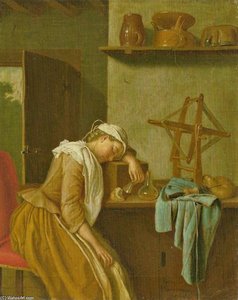 Schlafendes KüchenmädchenБаварски държавни списъци с произведения на изкуството
4 музея, които притежават най-голям брой от картините на тази страница.
| Музеи | Град | Творения на Peter Jacob Horemans | Картини от този списък |
|---|---|---|---|
 Баварски държавни списъци с произведения на изкуството |
Мюнхен | 51 | Portrait of Frau Heigl, Kitchen Still Life with Coffee Drinker, Musical Still Life with Horn Player |
 Национален музей във Варшава |
Варшава | 2 | Hunting a wild boar, Hunting with falcons |
 Lenbachhaus |
Мюнхен | 2 | Picnic in the park, Concert in the garden |
 Метрополитън Музей на изкуствата |
Ню Йорк | 1 | A Musical Gathering at the Court of the Elector Karl Albrecht of Bavaria |
Изберете десетилетие, за да видите оригиналната творба, която го определя.

Portrait of Frau Heigl (1738), Баварски държавни списъци с произведения на изкуството, Мюнхен. Следват Kitchen Still Life with Coffee Drinker (1765) и Musical Still Life with Horn Player (1765).
38 години: Portrait of Frau Heigl е от 1738 г., а Peter Jacob Horemans е роден/а в 1700.
Portrait of Frau Heigl, Kitchen Still Life with Coffee Drinker, Musical Still Life with Horn Player, Still Life with Female Figure with Flowers, Still Life with Elegant Lady, Still Life with Fruit and Female Figure, The Soup Eater, Still Life with Female Figure with Beer Glass, Still Life with Female Figure и Musical Still Life with Male Figure. Класацията по-горе показва годината и музея за всяко от тях.
В нашия каталог са представени 60 произведения на Peter Jacob Horemans, датирани от 1730 до 1776.
Предимно в Баварски държавни списъци с произведения на изкуството (Мюнхен), Национален музей във Варшава (Варшава) и Lenbachhaus (Мюнхен). В горната таблица с музеи са изброени всички тях.
В 1760s: 36 от 58 произведенията на тази страница са създадени тогава, като Kitchen Still Life with Coffee Drinker са сред тях.
На тази страница най-старата е A Musical Gathering at the Court of the Elector Karl Albrecht of Bavaria (1730), а най-новата е Picnic in the park (1776).
Portrait of Frau Heigl, Kitchen Still Life with Coffee Drinker и Musical Still Life with Horn Player: Баварски държавни списъци с произведения на изкуството, Мюнхен притежава 51 от произведенията на тази страница.