


1


Обновено Октомври 2026 · класирано според нашия индекс на популярност (търсения, посещения и поръчки за всяко произведение) · 28 творби на Петър Дойг в нашия каталог
Накратко
Blotter (1996) е картината на Петър Дойг, която привлича най-много погледи. След това погледът се насочва към Girl in White with Trees и Blotter (1993). Сред 28 произведения на Петър Дойг в нашия каталог, тези 28 са най-известните – всяко от тях е уникален оригинал, представен с годината на създаване, музея и причината за неговата вечност.

Peter Doig's 'Girl in White with Trees' isn’t merely a depiction of a young woman; it’s an immersion into the hazy, dreamlike realm of memory and suggestion. Painted in 2001-2002 during his time in Trinidad, this work stands as a cornerstone of Doig’s distinctive style – a masterful blend of photographic observation, personal experience, and a profound understanding of color and texture. The painting immediately draws the viewer into its…

Blotter: A Landscape of Memory and Reflection Peter Doig’s “Blotter,” completed in 1993, stands as a cornerstone of his oeuvre—a painting that encapsulates the artist's signature blend of observation, imagination, and subtle emotional resonance. More than just a depiction of a snowy Canadian landscape, it’s an exploration of memory itself, filtered through the lens of photographic inspiration and imbued with a profound sense of solitude. The artwork immediately draws the…


Peter Doig’s “Hill Houses,” painted in 1991, isn't merely a depiction of a country road; it’s an immersion into the hazy, subjective realm of memory and place. The painting immediately draws you in with its muted palette – predominantly greens, browns, and greys – creating an atmosphere thick with mist and suggestion. It feels less like a photograph and more like a half-remembered dream, a fleeting impression captured on canvas.…
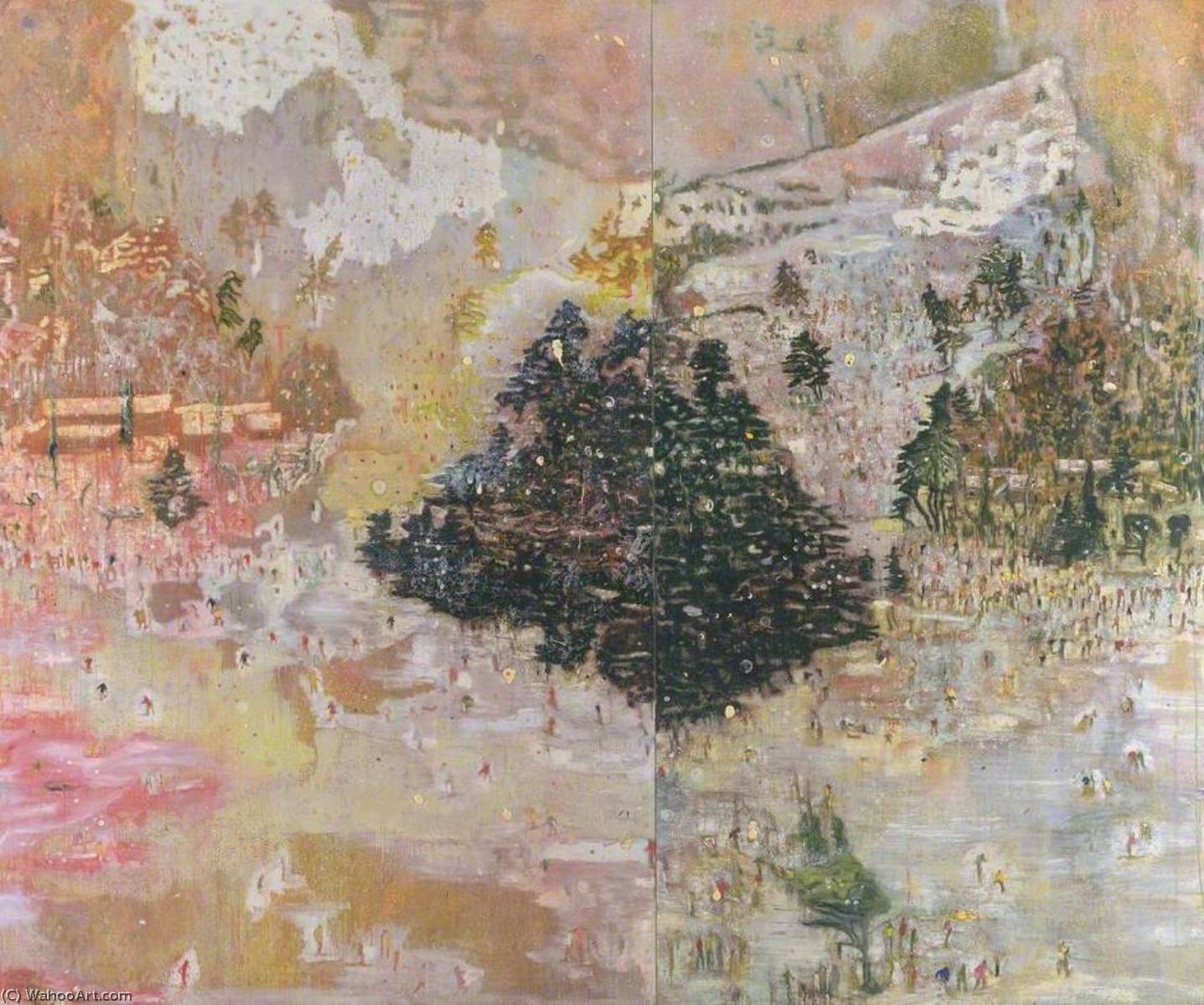


 100 Years Ago2002
12
 Pelican
13
 Hitch Hiker (Reflected)
14
 Abstract Composition 1
15
 Concrete Cabin1992 · New Walk Museum - Art Gallery
16
 Orange Sunshine
17
 Pink Snow1991
18
 Ski Jacket1994
19
 Border House1996
20
 Jetty1996
21
 Camp Forestia1996
22
 Girl on Skis1997
23
 Pelican Man2003
24
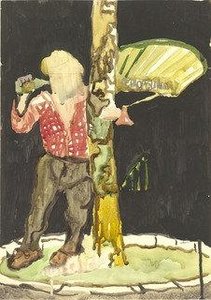 Metropolitan2004
25
 Grand RiviereНационална галерия на Канада
26
 Cold Blooded
27
 The Painter's Lake
28
 Червен олен1990 · Arts Council Collection
Четирите найчесто срещани теми в тези оригинални творби, всяка с най-добрия си пример.
6 музея, които притежават най-голям брой от картините на тази страница.
| Музеи | Град | Творения на Петър Дойг | Картини от този списък |
|---|---|---|---|
 Bonnefanten Museum |
Мастрихт | 1 | Girl in White with Trees |
 Walker Art Gallery |
Ливърпул | 1 | Blotter |
 Британската художествена колекция |
Лондон | 1 | Hill Houses |
 New Walk Museum - Art Gallery |
Leicester | 1 | Concrete Cabin |
 Национална галерия на Канада |
Отава | 1 | Grand Riviere |
 Arts Council Collection |
Лондон | 1 | Червен олен |
15 години разделят първия и последния оригинал на Петър Дойг, показани тук, 1990 и 2004: всяка година има своето място по-долу.
Изберете година, за да разгледате оригиналите.

ПЕТЪР ДОЙГ И СВЕРЕЩАТА ПРИРОДА НА МИНТАЛЕТИЕТО: ЕМОЦИОНАЛНО БЛОКБУСТЕР В РАЗМЕР НА ЛЮБОПИТСТВОТО Петър Дойг е шотландски художник, чиито творби резонират с тиха мощ – хипнотизираща красота, произлизаща от деликатния баланс между спомените, пейзажа и възхитителния потенциал на самата живопис. Животът му е един непрекъснато преместване, номадски съществуване, което дълбоко оформи неговото художествено виждане. Ранните му пребивания отнемаха от Шотландия до Тринидад през 1962 г., последвани от Канада през 1966…
Peter Doig’s “Hill Houses,” painted in 1991, isn't merely a depiction of a country road; it’s an immersion into the hazy, subjective realm of memory and place. The painting immediately draws you in with its muted palette – predominantly greens, browns, and greys – creating an atmosphere thick with mist and suggestion. It feels less like a photograph and more like a half-remembered dream, a fleeting impression captured on canvas.…
Още от 1991

Concrete Cabin: A Landscape of Memory and Modernity Peter Doig’s "Concrete Cabin," painted in 1992, is more than just a depiction of a forest scene; it's an exploration of memory, the interplay between nature and human intervention, and the subtle anxieties of modernity. The canvas presents a dense woodland, rendered with a distinctive looseness that evokes both the vibrancy of Impressionism and the unsettling ambiguity of Magic Realism. Towering trees,…
Blotter: A Landscape of Memory and Reflection Peter Doig’s “Blotter,” completed in 1993, stands as a cornerstone of his oeuvre—a painting that encapsulates the artist's signature blend of observation, imagination, and subtle emotional resonance. More than just a depiction of a snowy Canadian landscape, it’s an exploration of memory itself, filtered through the lens of photographic inspiration and imbued with a profound sense of solitude. The artwork immediately draws the…


Blotter (1996). Следващите са Girl in White with Trees и Blotter (1993).
37 години: Blotter е от 1996 г., а Петър Дойг е роден/а в 1959.
Blotter, Girl in White with Trees, Blotter, Screaming Cop (Echo Lake), Pelican, Echo Lake, Hill Houses, Ski Jacket, Echo Lake и Untitled (Figure in Mountain Landscape). Класацията по-горе показва годината и музея за всяко от тях.
В нашия каталог са представени 28 произведения на Петър Дойг, датирани от 1990 до 2004.
Предимно в Bonnefanten Museum (Мастрихт), Walker Art Gallery (Ливърпул) и Британската художествена колекция (Лондон). В горната таблица с музеи са изброени всички тях.
В 1996: 4 от 28 произведенията на тази страница са създадени тогава, като Blotter са сред тях.
На тази страница най-старата е Червен олен (1990), а най-новата е Metropolitan (2004).
Forest (3), Lakes (3) и Trees (3), разпределени в 28 произведения на тази страница.
Acrylic On Canvas, за 2 от 28 произведения на тази страница.
Contemporary landscape и Expressionism, судейки по оригиналите на тази страница.


