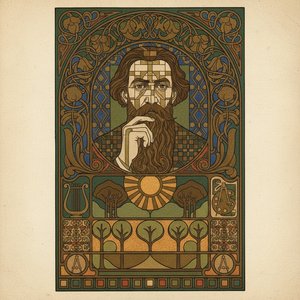
Пионер на модерността: Животът и визията на Ото Коломан Вагнер
Ото Коломан Вагнер, роден във Виена през 1841 г., стои като ключова фигура, която пренася моста между историзма от 19-ти век и зората на модерната архитектура. Неговият път не беше история за незабавна революция, а по-скоро за постепенна еволюция — внимателно разграждане на установените норми, съчетано с непоколебима ангажираност към функционалността и искреното изразяване. Първоначално попилен в класическото обучение във Виенския политехнически институт и по-късно прецизиран в Кралската академия по архитектура в Берлин, ранната работа на Вагнер отразяваше преобладаващите академични стилове. Въпреки това, дори в тези традиционни рамки бяха посеяни семената на иновацията. Неговите изследвания под ръководството на Август Сикардсбург и Едуард фон дер Нюл вдъхнаха един решаващ принцип: архитектурата трябва да притежава „рационално изразяване“, съобразено с нейната модерна цел — концепция, която ще стане централна за дела на живота му. Тези формиращи години не бяха само за усвояване на техника; те бяха за поставяне под въпрос на самите основи на архитектурната мисъл, подготвяйки сцената за последващото разкъсване на Вагнер от конвенциите. Той започна да изгражда репутация чрез спекулативни начинания, проектирайки жилищни сгради, които фино смесваха класически елементи с възникващи модерни идеи, финансирайки тези проекти сам и демонстрирайки предприемачески дух заедно с своята артистична визия.Виенската сецесия и разцътяващият се стил
Преломен момент настъпи през 1893 г. с убедителното участие на Вагнер в конкурса за градско планиране на Виена. Въпреки че не постигна окончателна победа в общия план, неговите предложения — особено тези, касаещи интегрирана градска железопътна мрежа — привлечеха значително внимание и доведеха до назначаването му за главен архитект на градската железопътна система през 1894 г. Това маркира решителна промяна към градско планиране и по-прагматичен подход към дизайна. Едновременно с това Вагнер се включва дълбоко в разцъфтяващото движение „Виенска сецесия“, основадено през 1897 г. Тази група от артисти, архитекти и дизайнери търсеше освобождение от твърдите ограничения на традиционните художествени конвенции, приемайки нови форми на изразяване и предизвиквайки установения ред. Стилът на Вагнер през този период разцъфтя в отличителна смесица от елементи на Ар Нуво и функционална яснота. Проектираните от него станции на Виенското метро — често украсени с декоративни схеми от Коломан Мозер — са първостепенни примери за този синтез. Те не бяха просто транспортни възли; те бяло внимателно обмислени произведения на изкуството, предназначени да повдигнат ежедневното преживяване на градските жители. Ключови характеристики започнаха да дефинират архитектурния език на Вагнер: предпочитание за геометрични форми, минимална орнаментация, фокусирана върху подчертаването на структурата, вместо върху прикриването ѝ, и непоколебителен акцент върху функционалността като движеща сила зад дизайна.Бележки на времето: Архитектурни иновации и забележителни творения
Наследството на Вагнер е вградено в градския пейзаж на Виена чрез поредица от забележителни сгради, които показват неговия еволюиращ стил и иновативно мислене. Къщата с медальони (1900) стои като иконичен пример за Виенската сецесия, с фасада, украсена със стилизирани медальони, които подсказват за орнаментация, докато поддържат усещане за геометричен ред. Църквата Ам Штайнхоф (Църквата на Св. Леополд), завършена между 1897 и 1902 г., демонстрира способността на Вагнер безпроблемно да интегрира изкуството в ежедневието — свещено пространство, проектирано не само за богослужение, но и като вдъхновяващо преживяване за общността. Може би изненадващо, дори една донякъде обикновена структура като Павилиона Карлсплац (1897-1904), първоначално предназначен за обществена тоалетна, се превърна в прочут пример за неговия функционален дизайн и майсторство в градското планиране. Майолика Хаус (190ема 6-1913) е още едно доказателство за умението на Вагнер да интегрира декоративните изкуства в архитектурата, с неговата сложна фасада, покрита с жизнени майолични плочки. Въпреки това, именно сградата на Австрийската пощенска спестовна каса (1894-1905) наистина сигнализира неговото преминаване към по-сдържана естетика — монументална структура, характеризираща се със опростени форми и акцент върху структурната яснота.Трайна наследстве: Оформяне на модерната архитектура
По-късните творби на Вагнер, обхващащи периода от 1906 г. до смъртта му през 1918 г., сега са широко разпознавани като предшественици на модерното архитектурно движение. Той се отдалечи от флоралните украси на Ар Нуво, приемайки по-аскетичен и геометричен речник, който приоритизира структурната честност и функционалната ефективност. Това не беше просто отхвърляне на орнаментацията; това беше фундаментално преосмисляне на това какво *трябва* да бъде архитектурата — директен отговор на нуждите на един бързо променящ се свят. Неговото влияние върху следващите поколения архитекти е неоспоримо. Защитавайки функционалността, геометричния дизайн и отхвърляйки прекомерната декорация, Вагнер полага основите за развитието на модернистките принципи. Той не просто изграждаше структури; той артикулираше нова архитектурна философия, която щеше да резонира през целия 20-ти век и отвъд него. Неговите приноси за Виенската сецесия бяха от решаващо значение за насърчаването на среда на художествена свобода и иновация, проправяйки път за нова естетика, която предизвика конвенционалните норми. Наследството на Ото Коломан Вагнер продължава да се почита не само заради неговите индивидуални постижения, но и заради неговата пионерска роля в преодоляването на пропастта между миналото и бъдещето — истински визионер, който помогна да оформи модерния свят, в който живеем днес. Той остава величествена фигура, чиято работа продължава да вдъхновява архитекти и дизайнери, стремящи се да създават сгради, които са едновременно красиви и функционални.