Драматичната визия на Франсис Хайман
В жизнения и постоянно променящ се пейзаж на британското изкуство през XVIII век, малко фигури притежават толкова многогранно сияние, колкото Франсис Хайман. Роден в Ексетер през 1708 г., Хайман не просто наблюдава културната еволюция на своята епоха; той активно оформя нейния визуален език. Неговият път започва далеч от изтънчените галерии на Лондон, коренящ се вместо това в ефирния и изпълнен с високи залози свят на театралните декорации. Това ранно потапяне в драматичните изкуства му осигурява уникално предимство, вдъхвайки му дълбоко разбиране за композицията, светлината и повествователното напрежение, което по-късно ще дефинира неговото майсторство в стила на рококо. Преминавайки от декоратор на сцени към независим художник в Сейнт Мартин Лейн, Хайман носи със себе си душата на разказвач, способна да превърне статичното платно в прозорец към театрален момент.
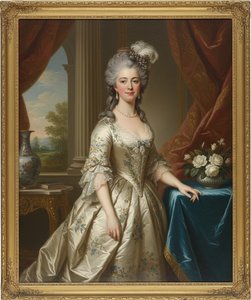
Естетическата същност на творчеството на Хайман е дълбоко преплетена с движението Рококо – епоха, характеризираща се с грация, орнаменталистика и известна лекотна елегантност. Черпейки вдъхновение от пищните френски майстори като Франсоа Буше, Хаймуан приема палитра от деликатни пастелни тонове и плавни, ритмични мазки. Въпреки това неговата работа никога не е била чисто декоративна; тя притежава структурна цялост, продиктувана от класическите идеали. Чрез връзките си с разрастващите се интелектуални кръгове в Лондон, той интегрира чувство за пропорция и форма, което позволява на неговите портрети да надхвърлят простото сходство, улавяйки вместо това самата същност на характера и социалния статус.
Наследството на Кралската академия и майсторството на разказвача
Историческото значение на Хайман е закрепено от неговата основополагаща роля при създаването на Кралската академия. Като член-основател и първи библиотекарь на институцията, той помага за полагането на основите на професионалните художествени стандарти в Британия. Тази позиция на влияние му позволява да преодолее пропастта между популярното, често шумно забавление на масите и високите стремежи на академичната елита. Способността му да се ориентира в тези различни светове се вижда най-добре в неговото разнообразно творчество, което варира от монументалното до интимното.
Художественият му репертоар е забележително обширен, демонстриращ талант, който може да превключва между жанрове с безпрецедентна лекота:
- Театрални и литературни сцени: Хайман притежава рядка способност да вдъхва живот на литературата, създавайки въздействащи изображения на Шекспировата драма и оживени сцени от Дон Кихот, като например енергичния момент, в който кръчкаря рицарува рицаря.
- Портретна живопис: Той се превръща в търсен летописец на своето време, улавяйки харизмата на легендарни актьори като Дейвид Гарик и аристократичната елегантност на фигури като д-р Чарлз Чънси.
- Декоративни поръчки: Неговата работа за градините за удоволствие Вауксхолм демонстрира умението му в мащабното разказване на истории, където използва изкуството, за да обогати сетивното преживяване на публиката от почивка и радост.
- Библейски и митологични теми: Чрез творби като Добрия самарянин, Хайман използва своята чувствителност към рококо, за да изследва дълбоки теми за състраданието, милостта и божествената намеса.
В крайна сметка животът на Франсис Хайман е свидетелство за силата на визуалното разказване. Съчетавайки театралността на сцената с прецизната елегантност на рококо, той създава творческо наследство, което остава жизненоважен прозорец към епохата на Просвещението. Неговото наследство съществува не само в платното, което носи неговото име, но и в самата структура на британската история на изкуството, белязвайки го като истински пионер, който помага за повишаване на статуса на художника – от занаятчия до академичен майстор.
Въпроси и отговори
В кой град и държава е роден/а Френсис Хайман?
Френсис Хайман е роден в Ексетър, Обединено кралство.
Колко произведения на Френсис Хайман са налични за разглеждане?
Можете да разгледате 88 произведения на изкуството творби на Френсис Хайман на страницата Всички произведения на изкуството.
Има ли хронологическа история на Френсис Хайман?
Хронология на Френсис Хайман е хронологична линия с функция за превъртане, която представя творбите на художника в хронологичен ред, групирани по периоди от кариерата му.