Накратко
Several Winter Evenings Delabole е картината на Carol Jackson, която привлича най-много погледи; оригиналът се намира в New County Hall, Truro. След това погледът се насочва към Greece (1997) и Crushing and Screening Plant (1998). Сред 10 произведения на Carol Jackson в нашия каталог, тези 9 са най-известните – всяко от тях е уникален оригинал, представен с годината на създаване, музея и причината за неговата вечност.
Топ 10 картини на Carol Jackson, през погледа на галерията
Музеите, в които се съхраняват оригиналите на Carol Jackson
6 музея, които притежават най-голям брой от картините на тази страница.
| Музеи | Град | Творения на Carol Jackson | Картини от този списък |
|---|---|---|---|
| Exeter | 3 | Crushing and Screening Plant, Sun and Rain, Strong Winds, Drilling Carnsew Mine, Catch the Light | |
| Truro | 1 | Several Winter Evenings Delabole | |
| Бристол | 1 | Greece | |
| Penzance | 1 | Across to the Mount | |
| Оксфорд | 1 | Port Meadow, 30 Years On | |
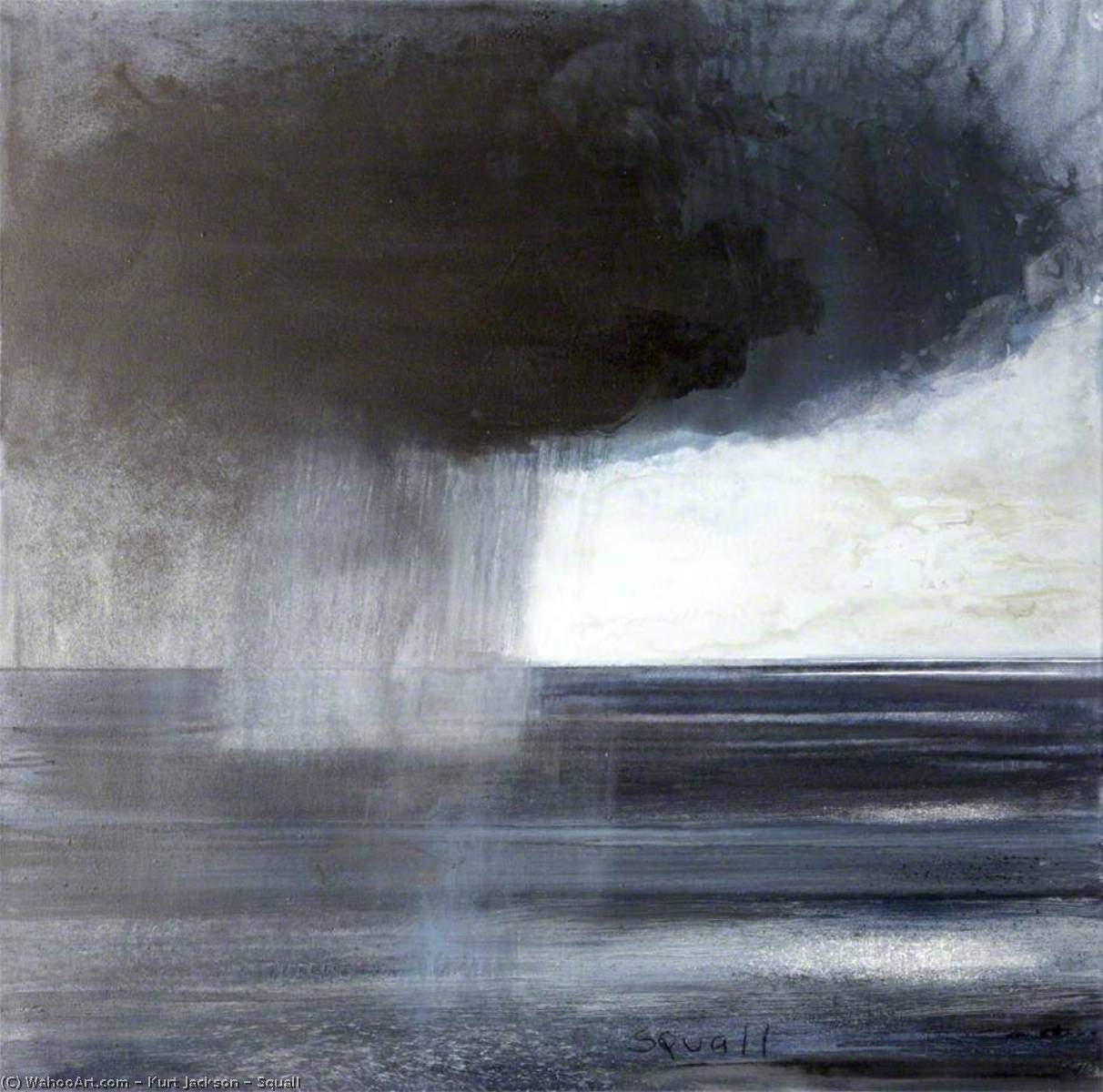
| Екзетер | 1 | Squall |
Carol Jackson през десетилетията: един уникален оригинал за всяко
Произведения по десетилетия
Изберете десетилетие, за да видите оригиналната творба, която го определя.
Картини на Carol Jackson: въпроси към галерията
Кое е най-известното произведение на Carol Jackson?Разкрийте отговора
Several Winter Evenings Delabole, New County Hall, Truro. Следват Greece (1997) и Crushing and Screening Plant (1998).
Колко са известните творби на Carol Jackson?Разкрийте отговора
В нашия каталог са представени 10 произведения на Carol Jackson, датирани от 1997 до 2010.
Къде могат да се видят най-известните оригинали на Carol Jackson?Разкрийте отговора
Предимно в University of Exeter (Exeter), New County Hall (Truro) и Royal West of England Academy (Бристол). В горната таблица с музеи са изброени всички тях.
През кой период Carol Jackson създава най-известните си картини?Разкрийте отговора
В 1990s: 4 от 9 произведенията на тази страница са създадени тогава, като Greece са сред тях.
Коя е най-ранната и коя е най-късната известна картина на Carol Jackson?Разкрийте отговора
На тази страница най-старата е Greece (1997), а най-новата е Port Meadow, 30 Years On (2010).
Към кое художествено направление принадлежи творчеството на Carol Jackson?Разкрийте отговора
Impressionism, судейки по оригиналите на тази страница.
Какви оригинални творби на Carol Jackson мога да видя в University of Exeter?Разкрийте отговора
Crushing and Screening Plant, Sun and Rain, Strong Winds, Drilling Carnsew Mine и Catch the Light: University of Exeter, Exeter притежава 3 от произведенията на тази страница.
Carol Jackson: портрет на художника
Kurt Jackson: Bridging Abstract Expressionism and Landscape Impression
Kurt Jackson (b. 1961) stands as a distinctive voice within contemporary British art, blending the dynamism of Abstract Expressionism with the serene beauty of landscape painting. Born in Stoke-on-Trent, Staffordshire, his artistic journey began amidst the industrial heritage of the Potteries, fostering an early fascination with texture and materiality – influences that would permeate his subsequent work. Jackson’s distinctive style is characterized by bold color palettes juxtaposed against textured impasto surfaces, creating canvases brimming with emotion and capturing fleeting moments of natural grandeur.- Early Influences: Jackson's formative years were shaped by the gritty landscapes of Stoke-upon-Trent and a deep appreciation for the expressive techniques pioneered by artists like Willem de Kooning and Franz Kline. These encounters instilled in him a conviction that abstraction could serve as a conduit for conveying profound feelings about the natural world.
- Technique & Material Exploration: Jackson’s artistic process is marked by meticulous experimentation with various mediums, including watercolor, acrylics, oil paints, and mixed media. He frequently incorporates found objects – stones, driftwood, and even soil – into his paintings, elevating them beyond mere representation to become tactile explorations of form and texture.
- Notable Works: Among Jackson’s celebrated pieces are “Across to the Mount,” a monumental watercolor depicting coastal cliffs bathed in sunlight; “Sun and Rain, Strong Winds, Drilling Carnsew Mine,” a dramatic depiction of a Cornish mine site capturing industrial energy against atmospheric conditions; and “Greece,” an impressionistic landscape portraying rural Greece with evocative color harmonies.
- Critical Recognition: Jackson’s work has garnered considerable acclaim from critics and collectors alike. He was awarded the Turner Prize in 2003, cementing his position as one of Britain's most prominent artists of his generation.
The Legacy of Abstract Expressionism & Luminist Vision
Jackson’s artistic vision draws heavily from the principles of Abstract Expressionism, particularly the emphasis on spontaneous gesture and emotional intensity—a reaction against the formalism prevalent in earlier art movements. However, unlike many of his contemporaries who focused solely on internal psychological landscapes, Jackson consistently returns to external observation, channeling Luminist influences into his depictions of natural environments. This dual inspiration informs his approach, resulting in paintings that resonate with both visceral energy and contemplative stillness.- De Kooning & Kline Influence: The influence of Willem de Kooning’s gestural brushstrokes and Franz Kline's stark black-and-white compositions is palpable in Jackson’s canvases. He strives to capture the immediacy of experience, mirroring the expressive fervor characteristic of these seminal artists.
- Luminist Aesthetic: Drawing inspiration from Luminist painters like Frederic Church and Albert Bierstadt, Jackson seeks to convey a sense of grandeur and sublime beauty—emphasizing atmospheric perspective and capturing the emotional impact of landscapes on the human spirit.
Exploring Texture & Emotion Through Mixed Media
Jackson’s artistic signature lies in his masterful manipulation of texture and color, achieved through innovative mixed media techniques. He painstakingly builds up layers of paint—often incorporating sand, stone fragments, and other natural materials—creating surfaces that pulsate with physicality and inviting viewers to engage their senses. This tactile approach is complemented by a deliberate use of color palettes designed to evoke specific moods and sensations.- Impasto Technique: Jackson’s signature impasto technique – applying paint thickly onto the canvas – generates palpable surface relief, mirroring the ruggedness of his subjects and amplifying their emotional resonance.
- Color Harmony & Symbolism: He employs color harmonies that are both harmonious and dissonant, reflecting the complexities of human experience and subtly hinting at underlying symbolic meanings within his landscapes.