Andrew Rewald: Bridging Culinary Roots and Artistic Exploration
Andrew Rewald’s artistic practice stands apart as a remarkable convergence of seemingly disparate disciplines – food anthropology and culinary arts – resulting in artworks that wrestle with intricate themes of migration, identity, and ethical responsibility. Born in Murgon, Australia, in 1969, Rewald's formative years instilled within him an unwavering appreciation for cultural traditions surrounding sustenance and ritualistic practices. This early exposure would prove to be instrumental in shaping his artistic vision—a vision rooted in a profound understanding of how culture informs perception and experience.
Formal Education: Rewald embarked on his academic journey with a Bachelor of Fine Arts degree at Queensland College of Art (QCA) in 2006, followed by a Master of Fine Arts from QCA in 2011. These pursuits honed his technical skills considerably and furnished him with a critical framework for dissecting artistic concepts—a framework that continues to permeate his creative process today. He possesses a meticulous attention to detail, reflecting a dedication to mastering the tools necessary to convey complex ideas effectively.
Culinary Background: Prior to dedicating himself entirely to artmaking, Rewald cultivated considerable expertise as a chef, gaining invaluable insight into the sensory dimensions of food preparation and presentation. This practical knowledge isn’t merely incidental; it serves as a bedrock for his conceptual approach—grounding it in tangible realities and informing his artistic explorations with an understanding of how materiality contributes to meaning. He approaches art with the same sensitivity and precision he applies to crafting exceptional culinary experiences.
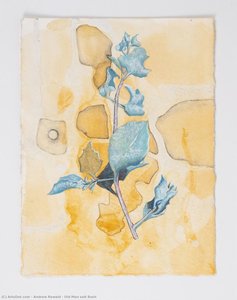
Rewald’s artistic output centers around performance art pieces that deliberately engage audiences with considerations of “duty of care.” He doesn't simply depict subjects; he actively invites viewers to contemplate ethical dilemmas surrounding cultural exchange and the preservation of traditions—a challenge that underscores his belief in art’s capacity to provoke reflection and inspire action. His work frequently utilizes food as a symbolic element, representing not just nourishment but also memory, heritage, and social connection—concepts central to his anthropological interests. This dual focus – artistic technique combined with sociological inquiry – distinguishes Rewald's oeuvre from many of his contemporaries.
Notable Exhibitions and Recognition: Rewald’s artistic reputation has steadily ascended since graduation, culminating in appearances at prestigious international venues such as Biennale Sydney (2016) and Zk/u Berlin (2018). These exhibitions underscore the breadth of his influence within contemporary art discourse—demonstrating a commitment to presenting innovative ideas to discerning audiences. His presentations are characterized by careful curation and thoughtful consideration of context, ensuring that his work resonates powerfully with viewers who appreciate intellectual rigor alongside aesthetic beauty.
- Biennale Sydney: Rewald’s contribution to Biennale Sydney showcased his ability to provoke dialogue and challenge conventional perspectives on artistic representation.
- Zk/u Berlin: Similarly, Zk/u Berlin provided a platform for Rewald's exploration of migration narratives and the importance of fostering empathy across cultural boundaries.
Historical Significance: Andrew Rewald’s work contributes to an ongoing conversation about how art can illuminate social issues and foster intercultural understanding. By blending culinary anthropology with performance art, he pushes boundaries within the field—prompting viewers to confront uncomfortable truths about globalization and the responsibility of artists—and indeed all individuals—to engage ethically with cultural differences. His stylistic choices—characterized by restraint and meticulous attention to detail—reflect a belief that artistic expression should serve as a conduit for intellectual inquiry. He stands apart from many of his peers, demonstrating a singular commitment to exploring profound questions about human experience through innovative mediums.