
Бързи факти
- Gift suitability: other-none
- Mediums: акрил върху платно
- Born: 1868, Лил, Франция
- Nationality: Франция
- Museums on APS:
- High Museum of Art
- High Museum of Art
- High Museum of Art
- High Museum of Art
- High Museum of Art
- Creative periods: mature period
- Emotional tone:
- спокоен
- замислен
- Vibe: спокоен
- Corpus themes:
- post-impressionism
- artistic exploration
- post-impressionist echoes
- post-impressionist style
- breton landscapes
- Best occasions: акцент
- Lifespan: 73 years
- Color intensity:
- ярък
- балансиран
- Разгърни скритите подробности
- Typical colors: тъмни
- Movements: post-impressionism
- Art period: 19-ти век
- Copyright status: Public domain
- Top 3 works:
- The Holy Family
- Изследване на млада бритънка
- Board decorated with tendrils and flowers
- Room fit: дневна
- Died: 1941
- Topics explored:
- women
- fruits
- life
- landscape
- nudes
- Also known as:
- Емиле Бернар
- Емил Бернард
- Works on APS: 136
- Top-ranked work: The Holy Family
Тест за изкуство
Има само един верен отговор за всеки въпрос.
Въпрос 1:
Каква е основната художествена тенденция, която Емил Бернар е известен с?
Въпрос 2:
Кой проeminent художник Емил Бернар е срещнал в Понтавен, което води до значителна художествена приятелство?
Въпрос 3:
Какъв е основният предмет на известното произведение на Бернар „Мисълта на баба“?
Въпрос 4:
Какво е „Школата на Пит Боувърд“ и с кого е свързана Емил Бернар?
Въпрос 5:
Какво е най-значимото постижение на Емил Бернар?
Всички статии
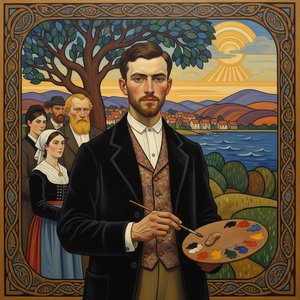
Émile Bernard: Pioneering Synthetism & the Post-Impressionist Quest for Essence
Explore the life & work of Émile Bernard, a pivotal Post-Impressionist pioneer of Synthetism. Discover his influence on Van Gogh & Gauguin and learn about collecting his art with OriginalUniqueArt.

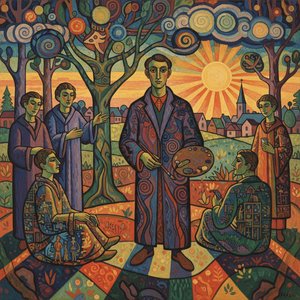
Paul Sérusier: Pioneering Synthetism & The Nabis’ Symbolic Revolution
Discover Paul Sérusier's pivotal role in the Nabis movement & the birth of Synthetism. Explore 'The Talisman,' his influence on modern art, and a deeper understanding of this symbolic revolution. Expert analysis & insights.

Отвъд светлината и цвета: Импресионизъм срещу Постимпресионизъм за взискателния колекционер
Разберете разликите между импресионизъм и постимпресионизъм с нашия експертен анализ. Съвети за колекционери, инвестиционен потенциал и ключови артисти.



