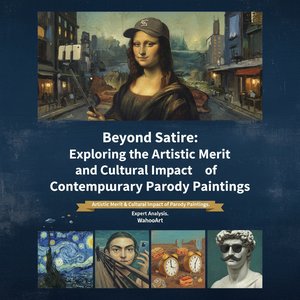
The Enduring Allure: Why Renaissance Paintings Still Captivate Contemporary Artists
For centuries, the masterpieces of the Renaissance have held a singular power over artists and audiences alike. But why, in an age saturated with new media and ever-evolving aesthetics, do these paintings – born from a specific time and place – continue to resonate so deeply? The answer lies not simply in their technical brilliance, though that is undeniable, but in their profound exploration of the human condition, their masterful storytelling, and the enduring questions they pose about beauty, power, faith, and mortality. Contemporary artists aren’t merely replicating these works; they are engaging in a complex dialogue with them, reinterpreting their symbolism, challenging their narratives, and finding new relevance for their timeless themes. The Renaissance offered a renewed focus on classical antiquity, a rediscovery of humanism, and an unprecedented level of artistic innovation – qualities that continue to inspire creators today.
The sheer visual richness of paintings by masters like Leonardo da Vinci, Michelangelo, Raphael, and Caravaggio provides fertile ground for exploration. The subtle gradations of light in a Caravaggio canvas, the anatomical precision of a Michelangelo sculpture, the enigmatic smile of the Mona Lisa – these are not just aesthetic achievements; they represent a profound understanding of human psychology and emotion. Contemporary artists often find themselves drawn to this depth, seeking to unlock new layers of meaning within familiar forms. It’s a process of excavation, revealing hidden narratives and challenging conventional interpretations.
Appropriation & Transformation: Deconstructing Old Masters in Modern Art
In art, appropriation is the use of pre-existing objects or images with little or no transformation applied to them. The use of appropriation has played a significant role in the history of the arts (literary, visual, musical and performing arts). In...
The act of appropriation – the intentional borrowing, copying, and alteration of pre-existing images – has been a cornerstone of modern art since the early 20th century. While Marcel Duchamp’s readymades arguably laid the groundwork for this practice, its application to Renaissance paintings presents unique challenges and opportunities. It's not simply about taking an image; it’s about recontextualizing it, stripping away its original meaning, and imbuing it with new significance. Artists might digitally manipulate a painting, inserting it into a modern setting or altering its composition to create a jarring juxtaposition. Others may recreate the work using unconventional materials, challenging traditional notions of artistic skill and authorship.
This process often serves as a form of critique – questioning the power structures represented in the original artwork or subverting established aesthetic values. For example, an artist might appropriate a painting depicting a religious scene to comment on contemporary social issues. The act of appropriation itself becomes a statement, forcing viewers to reconsider their assumptions about art history and its relationship to the present. However, it’s crucial to acknowledge the ethical considerations surrounding this practice. Respect for the original artwork and a clear understanding of its historical context are paramount.
Digital Tools, New Visions: How Technology Fuels the Remixing of Renaissance Imagery
Digital art, or the digital arts, is artistic work that uses digital technology as part of the creative or presentational process. It can also refer to computational art that uses and engages with digital media. Since the 1960s, various names have be...
The advent of digital technology has fundamentally altered the way artists create and engage with art, particularly in relation to historical works. The ease of access afforded by online archives and high-resolution imaging allows artists to study masterpieces from anywhere in the world. Digital painting software enables them to recreate these works with incredible precision, while tools like Photoshop allow for seamless manipulation and integration into new contexts. This has led to an explosion of creativity in the realm of Renaissance remixing.
Beyond replication, digital technology empowers artists to explore entirely new possibilities. Generative AI algorithms can create variations on existing paintings, producing surreal and unexpected results. Virtual reality allows viewers to step inside a painting, experiencing it from a completely immersive perspective. The use of augmented reality enables artists to overlay digital images onto physical artworks, creating dynamic installations that blur the boundaries between past and present. This isn’t simply about replicating the *look* of Renaissance art; it’s about reimagining its very essence.
From Museum Walls to Viral Feeds: The Impact of Social Media on Renaissance Art Appreciation
Social media platforms, particularly TikTok and Instagram, have emerged as unlikely champions of Renaissance art. Users are creating videos that reimagine iconic paintings through humor, dance challenges, and creative edits, bringing these works to a new audience – one that might not typically engage with traditional art forms. The use of memes is especially prevalent, transforming serious masterpieces into relatable and often humorous content.
While some critics argue that this trivializes the artwork, others see it as a way to democratize access and foster appreciation for art history. A painting glimpsed on TikTok may be the spark that leads someone to visit a museum or delve deeper into the artist’s life and work. Museums themselves are increasingly embracing social media, using platforms like Instagram to connect with younger audiences and promote their collections. This demonstrates a growing recognition of the power of digital engagement in shaping public perception of art.
Light and Shadow Reimagined: Contemporary Interpretations of a Renaissance Legacy
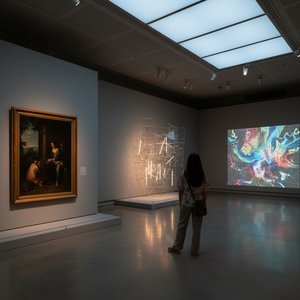 Illuminating Narratives: Exploring Representations of Light in Art History & Contemporary Practice
Explore the captivating history of light in art! From Renaissance chiaroscuro to contemporary installations, discover how artists have masterfully used illumination for dramatic effect and emotional resonance. Learn about Caravaggio, Luminism & more.
The mastery of light – *chiaroscuro* – was a defining characteristic of Renaissance painting, particularly in the works of Caravaggio. His dramatic use of light and shadow created depth, emotional intensity, and a sense of theatrical realism. Contemporary artists are building upon this legacy, utilizing light in innovative ways to reinterpret Renaissance works.
Some artists incorporate LED lighting into their installations, creating dynamic interplay between light and shadow that mimics the effects of Caravaggio’s canvases. Others explore the symbolic meaning of light – representing knowledge, spirituality, or transformation. Digital photography and video allow for unprecedented manipulation of light, creating surreal and ethereal effects. By reinterpreting representations of light, contemporary artists are not only paying homage to the past but also exploring new possibilities for artistic expression.
Beyond Replication: The Enduring Relevance of Art History in Understanding Appropriation
Ultimately, the ongoing engagement with Renaissance paintings is a testament to their enduring power and relevance. Studying art history isn’t merely about memorizing dates and names; it's about understanding the cultural context in which artworks were created – the beliefs, values, and power structures that shaped their creation. When artists appropriate Renaissance paintings, they are often engaging with this historical context, critiquing it, subverting it, or reimagining it for a contemporary audience.
This process fosters critical thinking skills – teaching us how to analyze images, interpret symbols, and understand different perspectives. It also preserves cultural heritage – ensuring that these works continue to inspire future generations. At OriginalUniqueArt.com, we believe in making art accessible to everyone, offering both meticulously hand-painted reproductions of classic masterpieces and high-quality prints tailored to your individual preferences. Explore our collection today and discover the timeless beauty of Renaissance art – reimagined for a modern world. From custom sizing and framing options to personalized consultations with our expert advisors, we’re dedicated to helping you find the perfect piece to elevate your space and ignite your imagination. Discover the legacy, embrace the innovation.